Trend: Fermented Ingredients
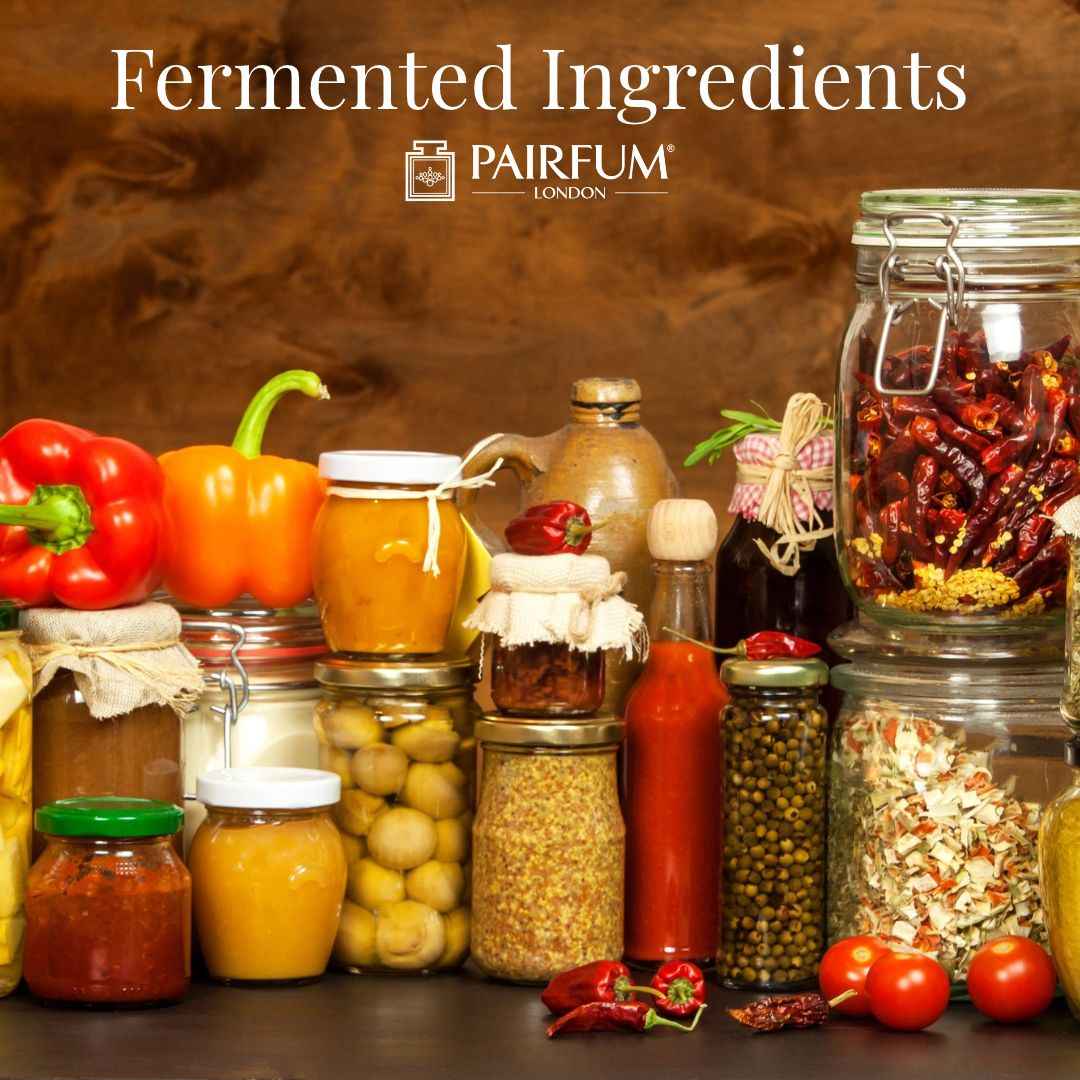
Fermented ingredients are foods and seasonings made via controlled microbial growth, using yeast, bacteria or mould to convert sugars,starches or even proteins into acids, gases, alcohol or umami compounds. They preserve food, deepen flavour and sometimes provide live microbes or beneficial byproducts.
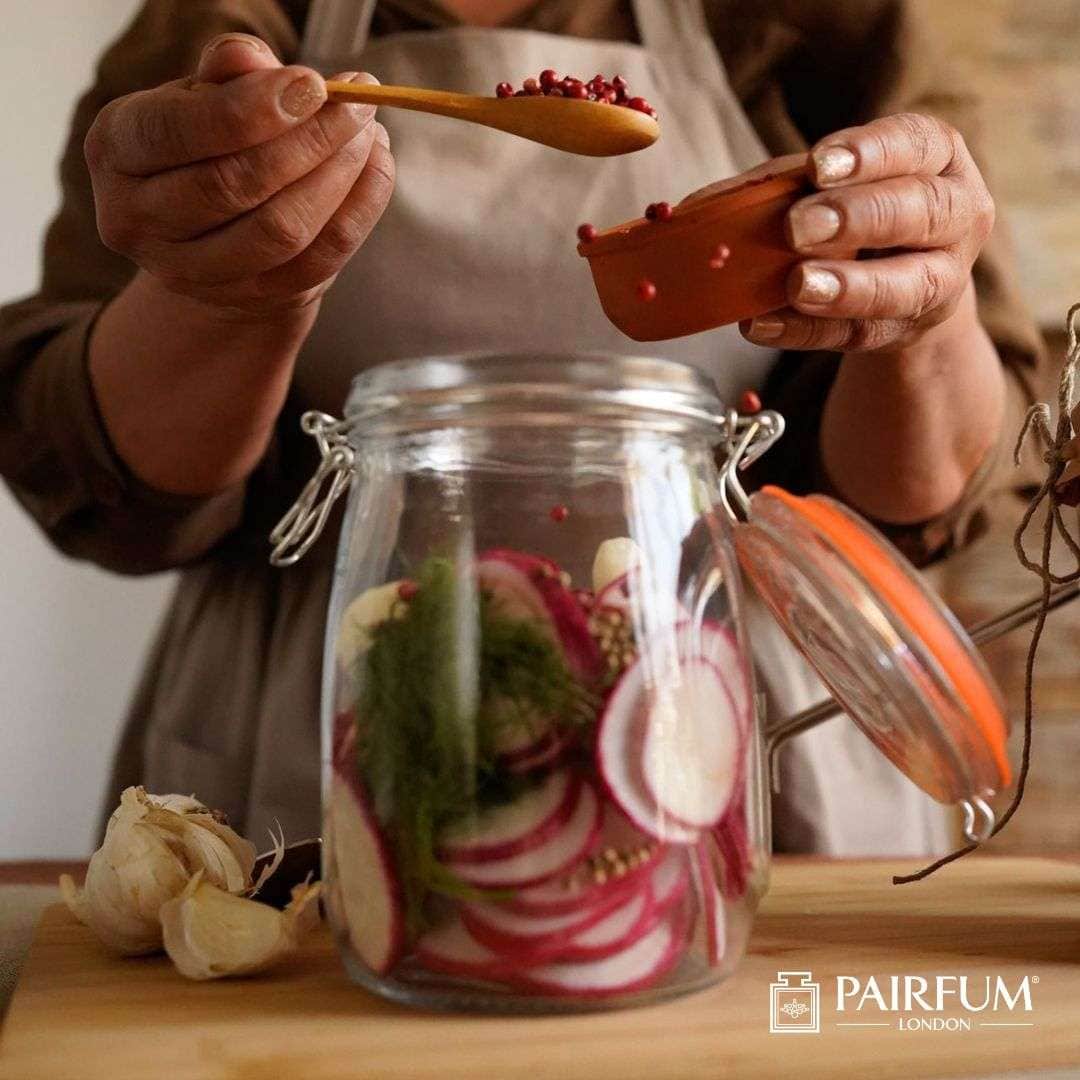
Pickled radishes. A jar of sauerkraut on the windowsill. Sourdough bread proving overnight. Fermentation is one of the oldest tricks in the kitchen, and it is quietly finding its way onto the bathroom shelf and into the perfume bottle too.

From the Kitchen Jar to the Beauty Shelf
Long before anyone talked about trends, people learnt to ferment foods to keep them from spoiling. Fermented foods were the original preserves. Cabbage became sauerkraut and kimchi. Milk became yogurt and kefir. Soybeans became miso, tempeh and soy sauce. Grapes became wine, and apples became apple cider vinegar.
The principle is simple. Live microorganisms (mostly bacteria and yeast) feed on the natural sugars in a food and turn them into something new: alcohol, gases and organic acids. Lactic acid bacteria are the stars of most fermented vegetables. They produce lactic acid, which lowers the pH, keeps unwanted microbes out and gives sauerkraut its unmistakable tang.
Some ferments are carefully controlled with a starter culture. Others rely on wild fermentation, where the microbes already living on the vegetable or in the air are left to do the work. Same jar, same cabbage, slightly different result every time. That is half the charm.
What comes out of the jar is often more than the sum of its parts, which is why fermented foods taste so different from their fresh ingredients. The fermentation process can break proteins down into amino acids, create new flavour compounds and, in many fermented foods, leave behind beneficial bacteria.
Why Fermented Foods Are Having a Moment
Walk into any supermarket and the fermented foods section seems to grow every season. Kombucha, kefir, kimchi, miso, even fermented hot sauce. Fermented beverages in particular have gone from health-shop curiosity to everyday fridge staple.
Much of the interest comes from the gut microbiome. Probiotic foods such as live yogurt, kefir and unpasteurised sauerkraut contain probiotic bacteria, and many people eat them in the hope of supporting digestion. Others take probiotic supplements for the same reason. The research is still evolving, and not every fermented food contains live cultures (bread and most shop-bought pickles do not, for instance), but the appeal is easy to understand.
Fermented foods vary hugely from country to country. A few of the most popular:
- Yogurt and kefir: fermented milk made with bacterial cultures; kefir uses small, jelly-like kefir grains of bacteria and yeast
- Sauerkraut and kimchi: fermented vegetables, usually cabbage, salted and left to ferment
- Miso, tempeh and soy sauce: made from fermented soy, often with the help of a mould called koji
- Sourdough bread: leavened by a wild yeast and bacteria starter instead of commercial yeast
- Apple cider vinegar: apple juice fermented first to alcohol, then to acetic acid
You do not need a complicated recipe to try it at home. Salt, a vegetable, a clean jar and a little patience. Most home fermenters start with sauerkraut, because it forgives mistakes.
Fermented Skin Care
This trend is driven by Korean and Japanese markets, and the desire for potent ingredients that last longer is driving interest in fermented beauty for the skin. The naturally occurring bacteria found in fermented skincare ingredients prolong the shelf life of formulas, so your skincare goes a longer way.
Think of it as the beauty world borrowing from the kitchen. Rice water, sake, fermented soybeans, ginseng and green tea are all traditional ingredients in East Asian skincare, and fermenting them is a natural next step.
Smaller Molecules, Gentler Results
The fermentation process helps to break down the active ingredients into smaller and simpler molecules, making them easier for the skin to absorb. In turn, this may result in less irritation. This type of skincare treatment works really well for drier skin.
Fermentation can also create new ingredients altogether. Organic acids, amino acids, antioxidants and peptides can all appear during fermentation, which is why a fermented extract sometimes behaves quite differently from the raw plant it came from.
Fermented Ingredients and the Skin Microbiome
Your skin has its own ecosystem. Billions of microbes live on its surface, and this skin microbiome helps to keep the protective barrier healthy. Some skincare brands now use fermented ingredients (or lysates, which are broken-down probiotic cultures) to support that balance, in much the same way people eat yogurt for their gut.
Fermented ingredients offer a ton of benefits for your skin. Recent studies have linked fermentation with a handful of anti-ageing benefits, such as reducing inflammation. Galactomyces ferment filtrate, a by-product of sake brewing, is one of the best-known examples and appears in serums and essences across the world.
Better-For-You Beauty
The skincare category is becoming more and more focused on creating products that include better-for-you ingredients. Not only do they perform well, but they also contain beneficial ingredients for the skin.
Expect to see more better-for-you skincare products hit the market this season and beyond.
Fermented Perfume Ingredients
There is a strong drive towards natural, eco-friendly and sustainable perfumery ingredients.
However, how can the perfume industry discover these new 'naturals' when it is already familiar with all the natural ingredients that the planet produces?
The answer is newly developed or existing synthetic ingredients that are produced naturally using fermentation from natural feedstock.
How Fermentation Works in Perfumery
The idea is surprisingly close to brewing beer. Microorganisms, usually a specially selected yeast or bacteria, are fed a renewable sugar such as sugarcane or corn. Instead of producing alcohol alone, they are guided to produce a specific scent molecule. The ingredient is then separated, purified and ready for the perfumer's palette.
Sound futuristic? Like the fermentation processes behind fermented foods, the technique is old. Perfumery has relied on fermentation for longer than most people realise. The alcohol in many fine fragrances is itself made by fermenting sugar from molasses or grain, exactly the way wine and spirits are made. The newer step is using fermentation to create the fragrance notes themselves.
Why Perfumers Are Paying Attention
Some of the most loved notes in perfumery come from sources that are rare, slow-growing or difficult to harvest. Ambergris, sandalwood, patchouli and even vanilla can be expensive, inconsistent and vulnerable to poor harvests or over-harvesting.
Fermentation offers another route:
- Consistency: the same quality every batch, whatever the weather did to this year's crop
- Sustainability: less pressure on endangered trees and wild plants, and a renewable sugar feedstock
- Purity: a clean, precisely defined molecule with fewer unwanted impurities
- Creativity: completely new scent molecules that nature never quite got round to making
Several major fragrance houses already use fermentation to produce ambery, woody and patchouli-style notes. Vanillin, the main aroma molecule in vanilla, can also be produced this way. On the skin, many of these notes are hard to tell apart from their traditional counterparts. Sometimes they are cleaner.
Natural or Synthetic?
Here is where it gets interesting. A molecule made by fermentation is identical to the one found in nature, yet it never grew in a field or forest. Is it natural? Synthetic? Somewhere in between?
The answer depends on who you ask, and the definitions are still being debated across the beauty industry. What matters most to many perfume lovers is simpler: how it smells, how it is made, and what it costs the planet.
A Pairfum London Fragrance Worth Exploring
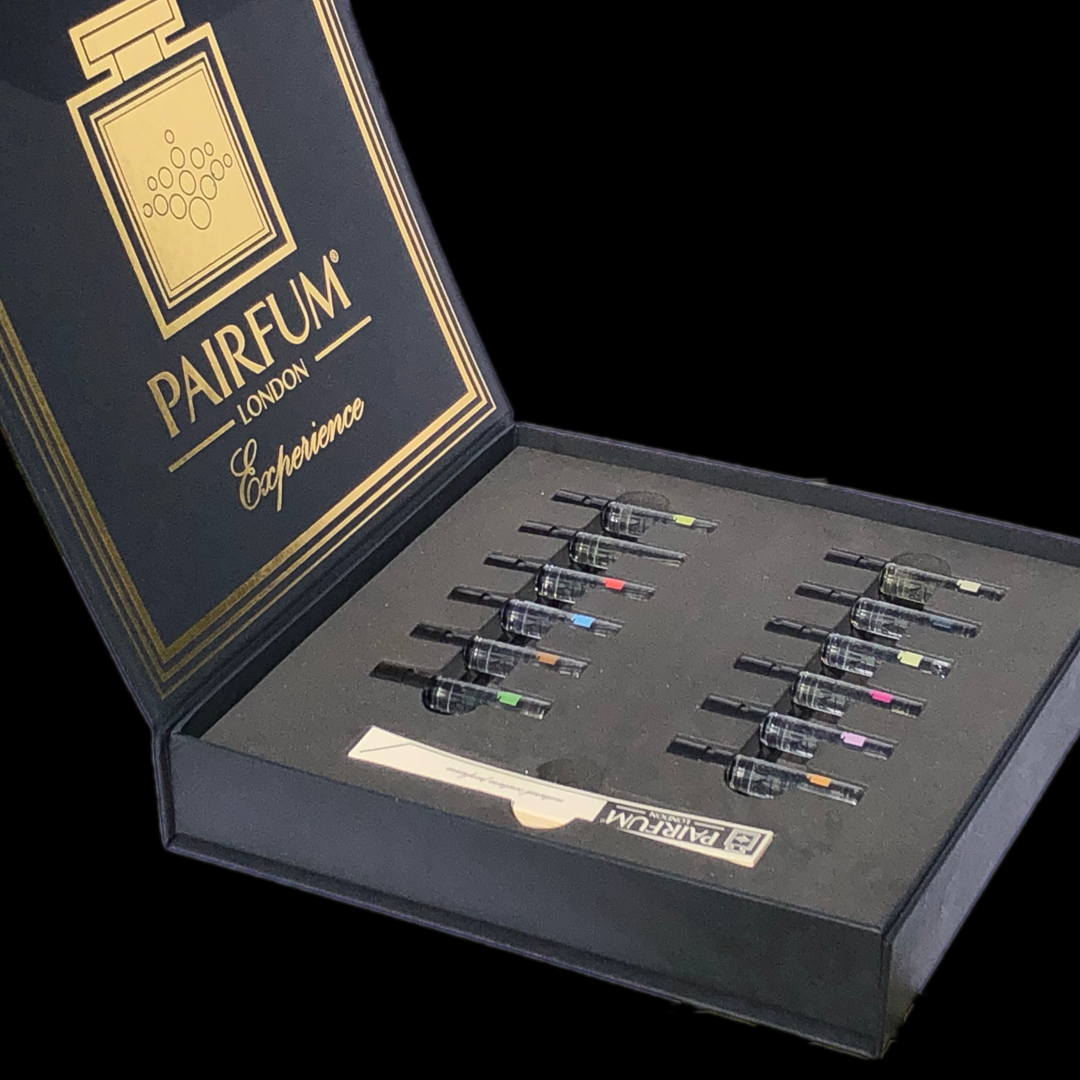
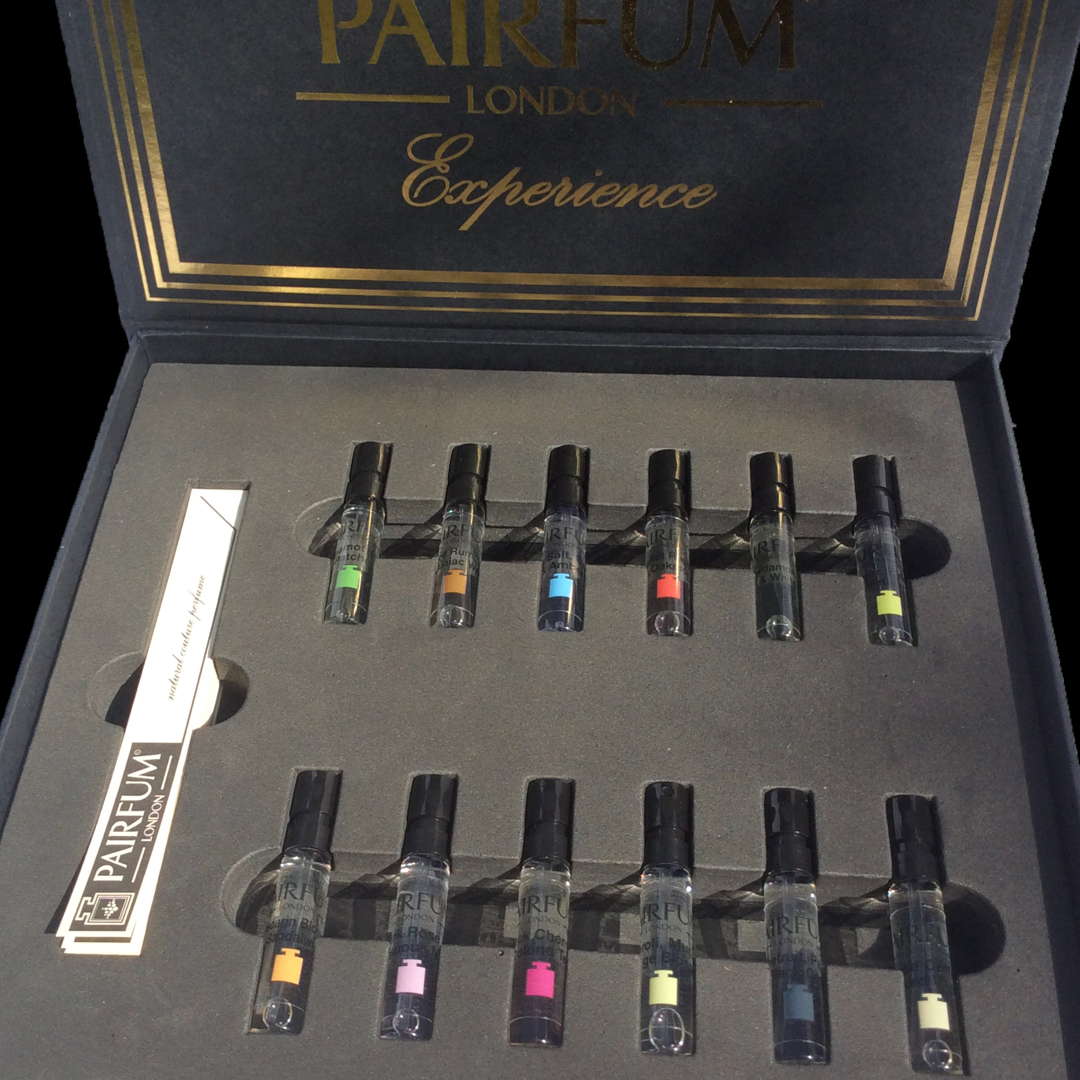
Whether the next great note comes from a forest or a fermentation tank, the best way to understand a fragrance is still to wear it. Twelve scents, side by side, on your own skin, over several days. That is how a signature scent is discovered, not chosen in a hurry at a department store counter.
Perfume Experience Box by Pairfum London
This Fragrance Library brings together 12 Eau de Parfum Intense fragrances in 2 ml glass bottles, alongside 50 smelling strips so you can explore each scent before wearing it. The collection runs from fresh Grapefruit, Pepper & Black Cedar and Sea Salt, Sage & Amber to warm Cardamom, Tonka & White Oud and Spiced Coffee & Oaked Vanilla, with unisex compositions for women and men. Each fragrance is handmade in the UK using natural essential oils and a natural, biodegradable alcohol made from sugar (molasses), and every bottle is vegan and cruelty-free. With around 100 sprays per bottle, there is time to wear each scent for a couple of weeks and see how it lives on your skin. A thoughtful place to start for anyone curious about how ingredients shape a fragrance.
The Future Is Fermented
From a jar of sauerkraut to a serum and a bottle of perfume, fermentation connects some of the oldest traditions with some of the newest science. In fermented foods, it brings flavour and probiotic bacteria. In skin care, it offers gentler, longer-lasting ingredients. In perfumery, it may open the door to sustainable notes that were once too rare or too costly to use.
Old craft, new purpose. Keep an eye on the label: fermented ingredients are likely to appear more and more often in the products you love.
https://www.pairfum.com/fermented-ingredients/?fsp_sid=18020
#ARTISANPERFUMERSOFLONDON #FERMENTATION #FERMENTEDINGREDIENTS #NATURALFRAGRANCE #PAIRFUMLONDON #PERFUMEINGREDIENTS #SKINCARE


Comments
Post a Comment