White Tea Candles and Perfume: Sheer Serenity and Silken Calm
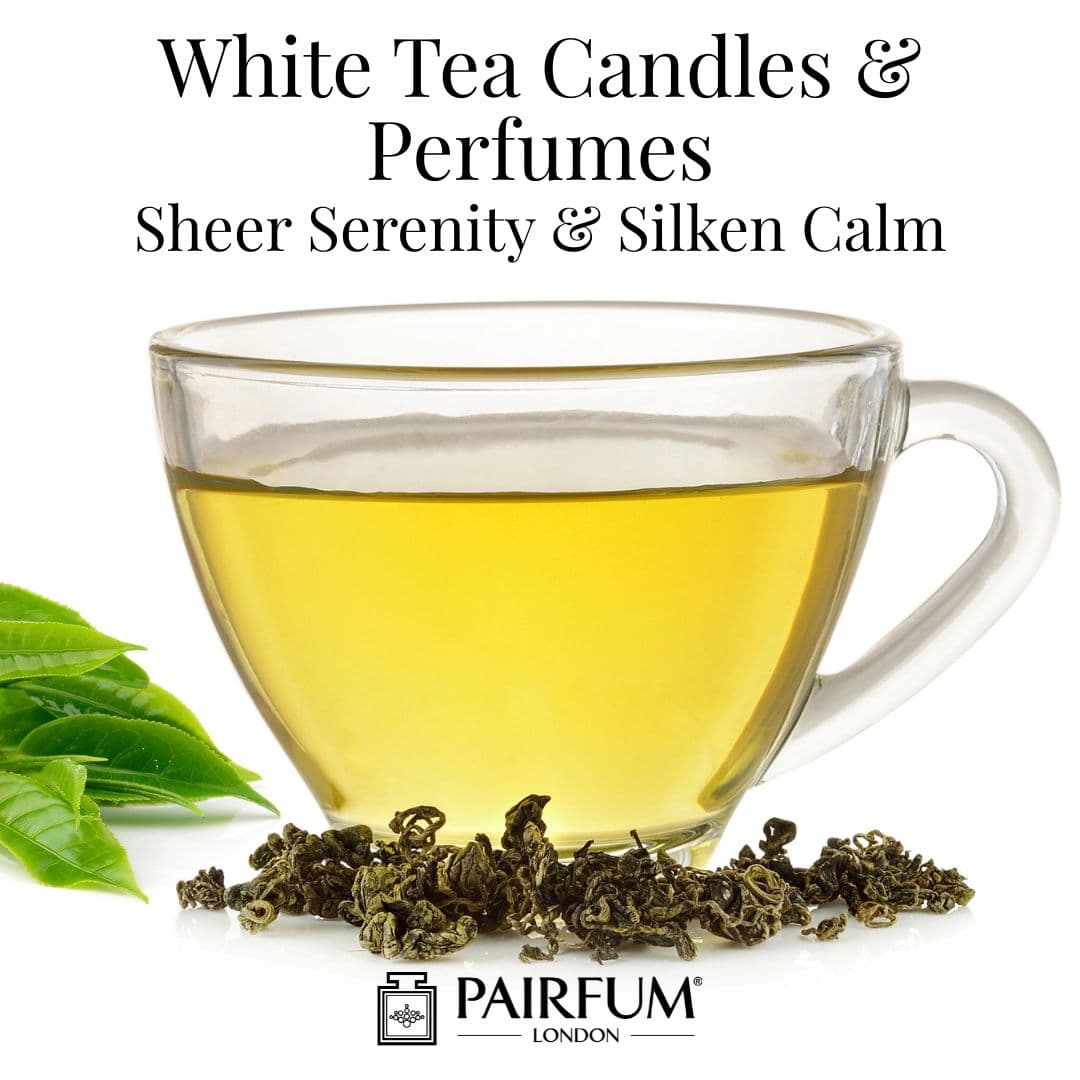
Organic white tea is a minimally processed, delicate, and high-antioxidant tea type made from the youngest, sun-dried buds and young leaves of the Camellia sinensis plant, primarily harvested in the Fujian Province of China. It offers a subtle, sweet, and fragrant flavour profile with a lower caffeine content compared to green or black teas, and it is prized for its high catechin levels and pure, natural state.
White tea in perfume has a very particular magic. It does not shout, it does not sparkle loudly, it simply wraps the skin in a soft, silken calm. For fragrance lovers who are tired of syrupy gourmands and heavy florals, this quiet note feels like a deep breath of fresh air. It is the olfactory equivalent of clean sheets, diffused daylight, and a moment of stillness.
As an organic white tea accord, it represents a symbol of modern, quiet luxury. Its profile is sheer, silky and luminous rather than sweet or overpowering, which speaks to anyone who wants their scent to soothe, not overwhelm. This makes white tea beautiful in a natural eau de parfum, as well as in home fragrances and skincare, where you might wish to live inside the same gentle aura all day. In this article, we explore how white tea made its way from imperial gardens into our bottles, how it smells, how perfumers work with it and why it has become a beloved note for those seeking serenity.
From Imperial Gardens to Modern Bottles
Before white tea became a perfumer’s muse, it was an object of quiet reverence in China. Traditionally associated with imperial courts, the finest buds were hand-harvested in early spring, when they were still covered in a silvery down. This minimal processing kept the leaf as close as possible to its natural state, which is why white tea is often described as the purest expression of the tea plant.
The history of this tea type is steeped in prestige, stretching back as far as the Tang Dynasty and particularly the Song Dynasty, where it was reserved for the elite. Unlike black tea or oolong tea, which undergo extensive oxidation, white tea is merely withered and dried. This preserves the high concentration of antioxidants and the catechin levels found naturally in the Camellia sinensis species. Historical records suggest that white tea may have first appeared in English publications in 1876, though at the time it was occasionally categorised alongside black tea because the leaves were not steamed to stop oxidation in the way green tea is.
As trade routes opened, tea in all its forms captivated drinkers in Europe and the United Kingdom. Black tea dominated at first, with its comforting depth and malty warmth, and this naturally influenced early tea-inspired accords in perfumery. In Paris and London, perfumers began to interpret the scent of a brewed cup, adding brisk, tannic nuances to colognes and chypres.
Over time, tastes shifted towards fresher, lighter and more transparent accords. Green tea became a key note in many modern fragrances, paving the way for white tea to emerge as a softer alternative. Where black tea can feel like velvet and green tea like crisp linen, white tea is the silk scarf in the wardrobe of scent: weightless, intimate and refined, resting close to the skin rather than filling the room.

Understanding White Tea: Varieties, Aroma and Extraction
White tea may sound simple, but there is a quiet diversity within it for tea enthusiasts. The four main varieties of Chinese tea offer a spectrum of inspiration:
- Silver Needle (Yin Zhen): The most prized variety, made exclusively from an unopened bud covered in fine white hair.
- White Peony (Bai Mu Dan or Pai Mu Tan): Composed of one tea bud and two young leaves.
- Gong Mei: Produced from a different cultivar and generally includes more leaves.
- Longevity Eyebrow (Shou Mei): Harvested later in the season, resulting in a bolder flavour.
Silver Needle is typically more delicate, with a gossamer character, while white peony can feel slightly fuller, with a gentle, honeyed depth. Terroir plays its part too. While the Fujian Province is the traditional home of these white teas, specifically the regions of Fuding and Zhenghe, exceptional harvests now come from the Yunnan Province and even Sri Lanka. Altitude, soil, sun and mist all leave a subtle imprint on how aromatic the leaf becomes, which in turn influences the nuances that perfumers look to capture.
When we speak about the scent of white tea in perfumery, we are not simply recreating the smell of a cup of tea. Instead, we interpret an impression: transparent white florals, a touch of dewy greenery, the faint hay-like dryness of sun-warmed straw and an almost skin-like muskiness. The subtle flavour and delicate flavour of a white peony tea or a silver needle white tea provide a blueprint for elegance. At its best, a white tea accord feels both clean and lived-in, as if you have slipped into a freshly laundered shirt that has already warmed to your body.
The Science and Spirit of the Leaf
Beyond the scent, many are drawn to white tea for a perceived health benefit. In its drinkable loose tea form, it is famed for helping the body fight free radicals due to its rich antioxidant profile, including polyphenols and flavonoids. While you do not ingest these when wearing a perfume, the "halo effect" of these health benefits contributes to the sense of well-being that white tea fragrances provide. Science suggests that these compounds may help protect skin from UV damage and slow the internal ageing process by inhibiting enzymes that break down collagen and elastin.
The caffeine content in the tea leaf is also a point of interest. While white tea is often thought to be low in caffeine, a high-quality silver needle tea made of pure buds can actually contain significant caffeine levels, sometimes overlapping with green tea. In the world of fragrance, we mimic this "buzz" through the use of bright, crystalline top notes that wake up the senses.
Creating this note in a fragrance can follow different paths. On the more natural side, perfumers may work with:
- Infusions or tinctures of white tea leaves in alcohol.
- CO₂ extracts that capture more volatile, delicate aspects of the Camellia sinensis.
- Combinations of natural materials, such as soft woods, hesperidic notes and gentle florals, to suggest the impression of white tea.
Where direct extraction of tea can be limited or inconsistent, perfumers often craft an artistic reconstruction using aroma molecules. This might include musky notes for the skin-like aspect, airy florals for luminosity and specific green or hay-like molecules to echo the leaf. The result is not a literal tea, but a stylised white tea accord that feels consistent, modern and diffusive.
The Art of Using White Tea in Fragrance Composition
Within the classic fragrance pyramid, white tea typically sits as a luminous heart note or a long-lasting top note. It has enough presence to be noticed early on, yet it lingers gently into the dry-down, tying the different stages of the perfume together. One of its strengths is the way it bridges citrus, green and floral elements without becoming sharp or sour.
Certain pairings really allow white tea to shine:
- With citrus and hesperidic notes, such as bergamot, mandarin or grapefruit, it creates an uplifting, spa-like freshness that feels crisp but never biting.
- With transparent florals like peony, jasmine tea or neroli, it gives a soft-focus, romantic aura, perfect for those who love florals but shy away from heady bouquets.
- With musks, light amber and pale woods such as cedar or cashmere woods, it turns into a cashmere-clean skin scent, comforting and quietly sensual.
White tea is equally beautiful beyond traditional fine fragrance. In-room sprays and reed diffusers, it turns a living space into a sanctuary, clean but cosy. In scented candles, the warmth of the flame adds a gentle, honeyed nuance to the tea accord, reminiscent of the delicate flavour found in premium tea blends. For bath and body care, white tea feels like the ideal partner, as if the scent itself is cleansing the mind while the formula cares for the skin.
Embracing White Tea as Your Daily Ritual of Calm
White tea works beautifully when you begin to think of fragrance as a daily ritual rather than a final, hurried step. You can choose your white tea scents according to mood and moment.
- A brisk, citrusy white tea for an energising morning spritz.
- A soft, musky interpretation as a serene office companion.
- A slightly warmer, woody white tea for evening unwinding.
- Complementary home fragrances that echo the same calming accord.
When you test a white tea perfume, wear it on clean skin and give it time. The first few minutes may feel greener and more sparkling, while the true character of the tea usually appears as the alcohol lifts and the heart note settles. Layering with unscented or very softly scented body products helps the fragrance stay clear and uncluttered, so you can really notice its gentle shifts.
Whether you are enjoying the delicate flavour of a brewed silver needle or the misty trail of a white tea perfume, you are participating in a tradition of elegance. Over time, many people find that white tea becomes a kind of olfactory meditation. A spritz of a natural eau de parfum in the morning, a scented hand cream at your desk, a candle in the evening, all centred on the same tranquil accord, can turn everyday actions into a quiet ceremony. It is sheer serenity and silken calm that follows you from pulse-point to pillow, creating a personal sanctuary in the middle of a busy world.
Iconic White Tea Perfumes and the Niche Perspective
Over recent years, white tea-centric fragrances have quietly grown in popularity. In prestige and designer perfumery, many creations lean into a brighter, citrus-forward opening, sometimes with ozonic notes to suggest airy cleanliness. These perfumes resonate with wearers who enjoy that just-showered feeling, wrapped in a soft robe with a steaming cup on the side.
From a niche and boutique perspective, there is room to treat white tea with more nuance. We are drawn to the textured, slightly faceted aspects of the note: the way it can be both dewy and gently dry, floral yet not overtly blooming. Instead of focusing solely on freshness, we like to explore how white tea can evolve on the skin: opening with a crisp, green tea glimmer, then softening into a musky, woody cocoon.
Tea Inspired Candles and Perfume by Pairfum London
Bergamot & White Tea - Large Snow Crystal Perfume Candle by Pairfum London
The refreshingly sophisticated bouquet of White Tea, Ripe Bergamot and Lime Leaves, infused with Aromatic Thyme, Jasmine Tea, White Lily, Nutmeg and Black Pepper, it rests on a base of Woody, Powdery Musk.
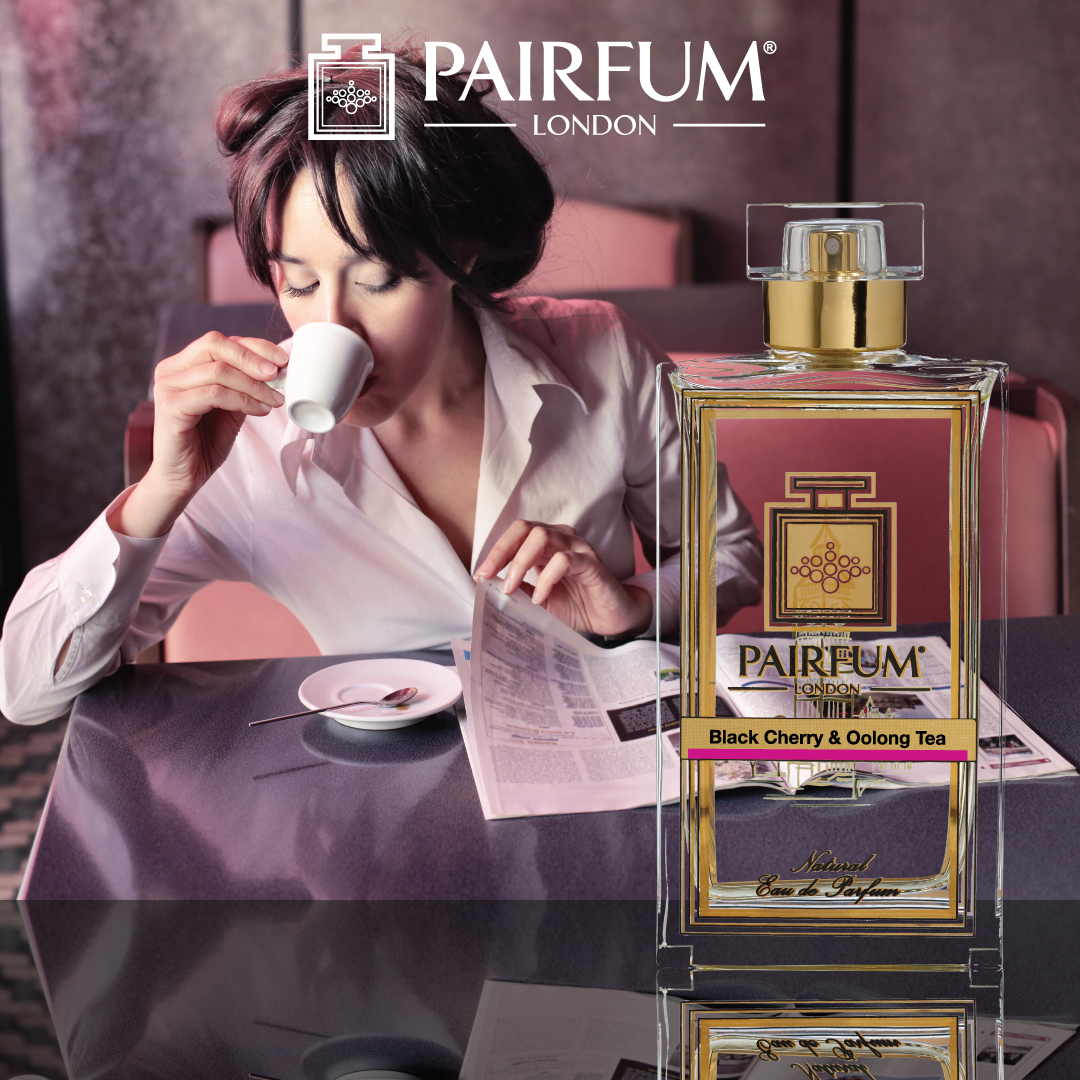
Black Cherry & Oolong Tea - Eau de Parfum by Pairfum London
This fragrance opens with the sparkling interplay of the aromas of Black Cherry, Bergamot, Red Berries and Nutty Almond. The heart is a most elegant fusion of Oolong Tea, Bulgarian & Turkish Roses and Liquorice. The sensuous base rests on Aniseed, Tonka, Iris and Patchouli.

Discover Your Signature Scent With Natural Elegance
Indulge in the artistry of our natural eau de parfum collection and experience fragrances crafted with care for both you and the environment. We create perfumes in small batches so that each bottle feels personal and refined. If you would like help choosing a scent or have any questions about ingredients like tea or botanical extracts, please contact us, and we will be pleased to assist.
https://www.pairfum.com/white-tea-in-perfume-sheer-serenity-silken-calm/?fsp_sid=16135
#ARTISANPERFUMERSOFLONDON #CAMELLIASINENSIS #CLEANBEAUTYUK #INSTAPERFUME #LUXURIOUS #NICHEFRAGRANCE #PERFUMELOVERS #QUIETLUXURY #SELFCARERITUAL #TEAFRAGRANCE #WHITETEA #WHITETEACANDLE


Comments
Post a Comment