Lemongrass in Perfumes: Crisp Lemony Herb Spark
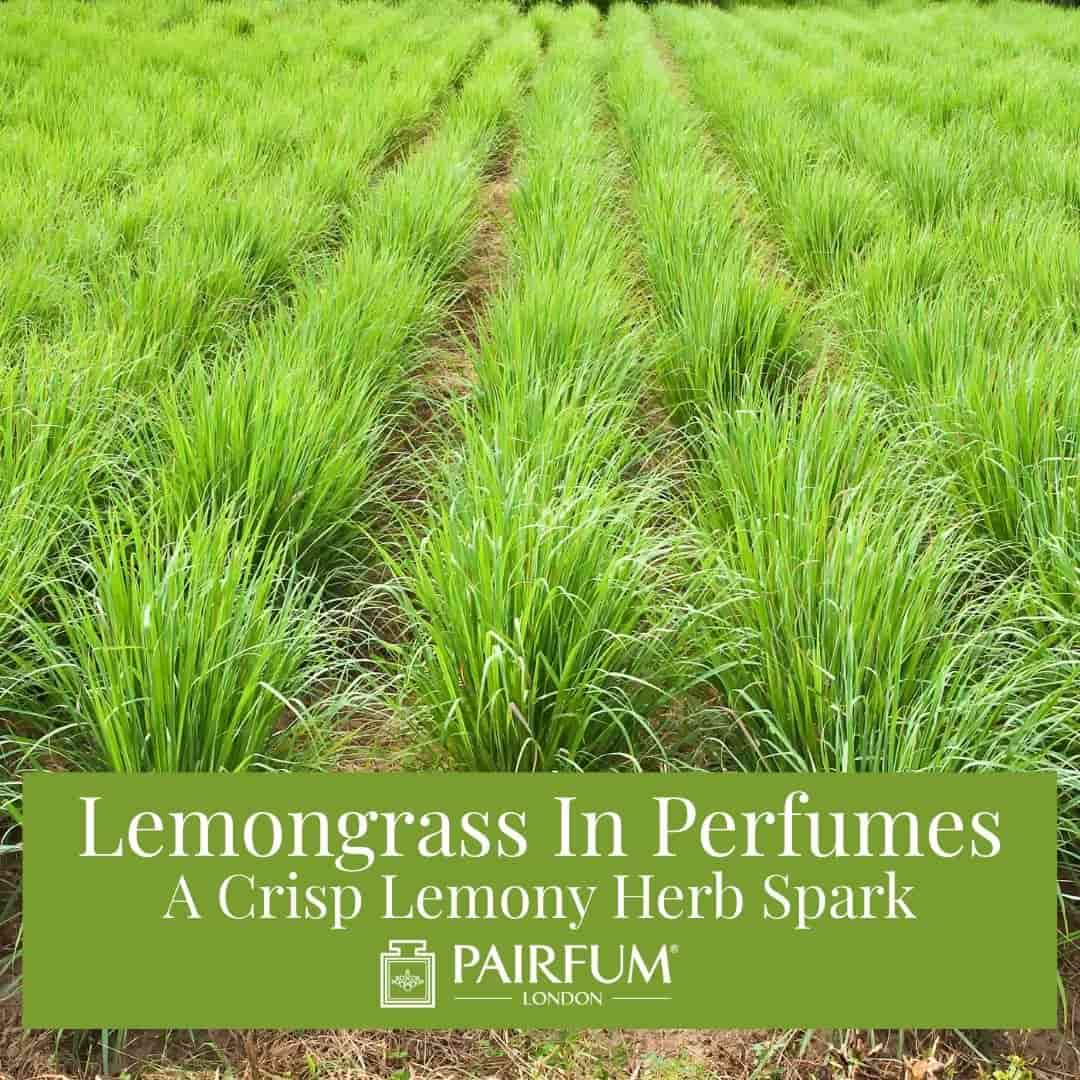
Lemongrass in perfume provides a fresh, bright, and zesty scent, often used as a top or heart note to create invigorating, clean, and herbaceous fragrances. Extracted via steam distillation of the leaves and stems, it blends well with citrus, floral, and green notes. It is frequently used in summer scents for its energising and uplifting, slightly spicy aroma.
We often think of lemongrass as something cooked with or used in a calming tea, but it’s just as clever in perfumery. It works quietly in the background or adds a burst of citrus to the top of a perfume. In this piece, we’re walking through where it comes from, how it becomes perfume oil, and why its uplifting essence keeps showing up season after season. Lemongrass might make you think of sunny weather, but its versatility makes it suitable year-round, and we use it to add zest and a clean feel to blends that could easily become too heavy or too sweet.
A Brief History of Lemongrass in Perfume
Before lemongrass showed up in niche perfumes, it had deep roots in traditional herbal blends. It’s long been known for its clean, calming character and was used in oils and body products well before perfumers caught on to its potential.
Lemongrass oil started showing up in early perfumery thanks to its naturally strong citrus character. The fragrance world took notice of how fresh and clear it felt without being sugary or heavy. As the interest in wellness and natural living grew in the late 20th century, lemongrass found more space in personal fragrances, solidifying its place as a go-to choice for clean, herb-forward aromas.
Over time, people began to appreciate the lively aroma of lemongrass and its unique ability to blend with so many types of notes. What was once a common household and wellness ingredient developed a new role in personal and home fragrance. Its botanical name, Cymbopogon, actually comes from the Greek words for boat and beard, referring to the boat-shaped spathes and the hairy spikelets of the plant.

The Origin and Growth of the Lemongrass Plant
To understand the lemongrass used in your favourite bottle of perfume, it helps to look at the plant itself. This perennial grass thrives in tropical climates, particularly across Southeast Asia and South East Asia, as well as parts of Sri Lanka and South India.
When growing this herb, the soil is a vital factor. It requires well-draining soil that remains moist but never waterlogged. Whether it is growing in a vast field in South India or in a pot indoors on a sunny windowsill, the plant needs plenty of light to develop its signature lemony flavour and aromatic oils.
For those interested in gardening information, you can start the plant from a seed or by rooting stalks purchased from a market. While a seed takes time to mature, once the grass is established, it becomes quite hardy. The long, slender leaf of the plant can grow several feet tall, creating a fountain of green grass that releases a scent when crushed.
In the UK, the Royal Horticultural Society notes that because it is a tropical plant, it is not hardy and requires protection from frost. It is best grown in containers that can be moved into a warm, bright spot like a conservatory or greenhouse during the winter months when temperatures must stay above 13°C for the plant to thrive.
Types of Lemongrass Used in Perfumery
There are two types of lemongrass most commonly used in fragrance:
- Cymbopogon citratus (also called West Indian lemongrass) brings a soft, lemony feel with delicate green notes.
- Cymbopogon flexuosus (East Indian lemongrass) is a bit spicier and can come across as more herbal than sweet.
Each delivers a slightly different effect. One makes a blend feel lively and bright, the other brings warmth and a grassy earthiness. Depending on how it’s paired, lemongrass can make a perfume feel sharper or more rounded. Both types work beautifully in fragrance, but the choice often depends on how the perfume is built.
West Indian lemongrass lends itself nicely to lighter, more airy perfumes that are easy to wear every day, while East Indian lemongrass can add extra texture and complexity to a formula. For perfumers, having two distinct options opens up new blends and styles, letting them dial in just the right amount of energy, warmth, or herbiness for a specific aroma.
Beyond Perfume: Lemongrass in Cuisine and Wellness
While we adore lemongrass for its scent, much of the world first encounters it in a kitchen. It is a staple of Southeast Asian cuisine and Thai cuisine, where it provides a citrusy backbone to many dishes.
In Thai cooking, the lemongrass stalk is often bruised or finely chopped to release its flavour. If you follow a classic recipe for a Thai dish, you will likely find fresh lemongrass listed alongside chilli, ginger, and garlic. It is a core component of a Thai green curry or a spicy tom yum soup. The woody stalks are usually removed before eating or sliced so thinly that they soften during the cooking process.
If you are looking for lemongrass recipes that use coconut milk, you will find that the creamy fat of the coconut perfectly balances the sharp lemon notes of the herb. Beyond curries and soup, it makes an excellent marinade for chicken or pork. Even in soft drinks, a hint of lemongrass provides a sophisticated alternative to sugary lemonade.
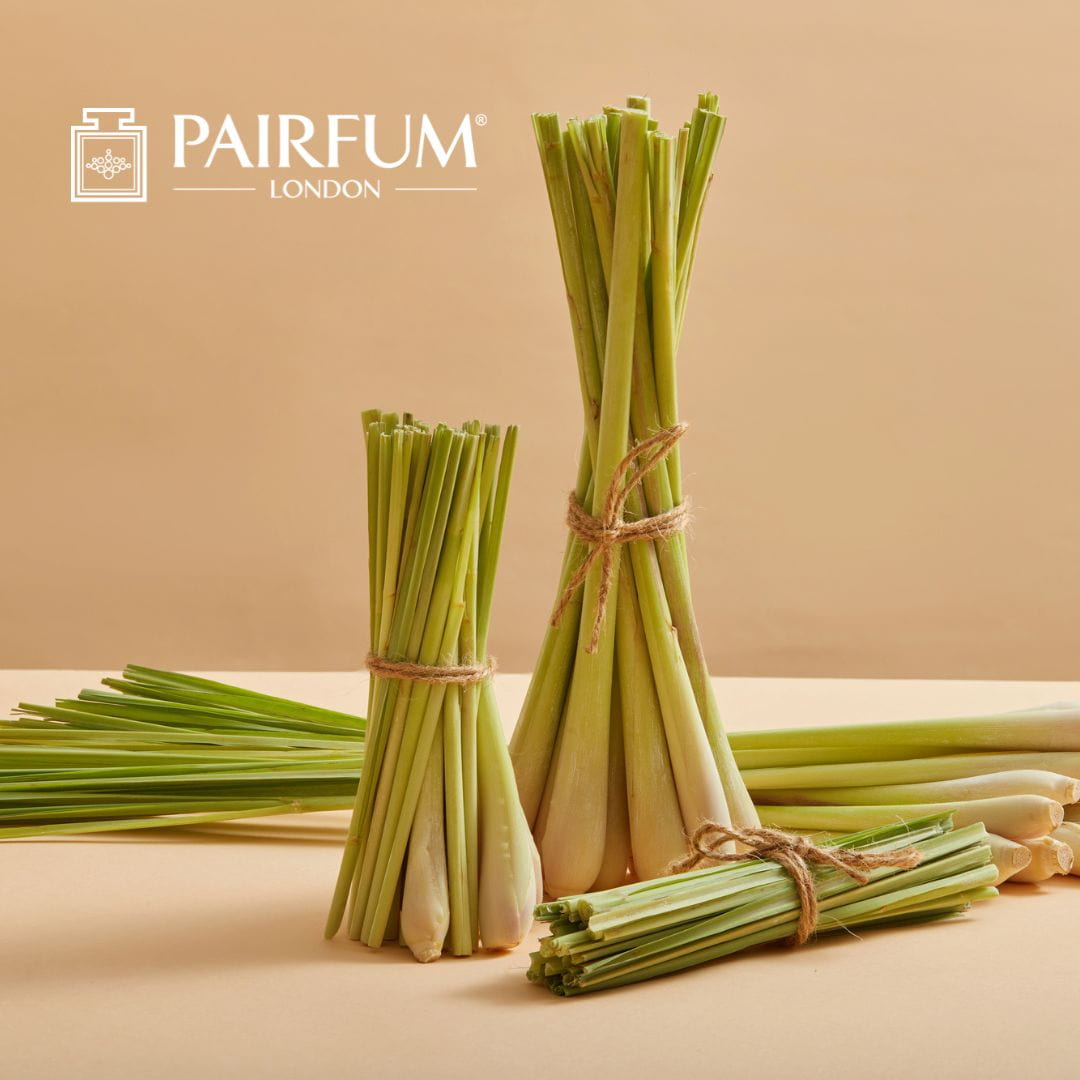
Experts often advise that the flavour of lemongrass is more complex than that of simple lemon. It contains hints of ginger and mint without the bitterness often associated with citrus zest. When selecting fresh stalks, look for those that are firm and heavy with a pale yellow base and green tips, avoiding any that look dry or brittle.
Growing and Using Lemongrass Stalks
If you decide to keep this plant at home, you will find it incredibly rewarding. To harvest, you should cut the stalks at the base of the plant once they are about half an inch thick. The outer layers of the stalks are tough, so you must peel them away to reach the tender, aromatic core.
In Asian cuisine, this core is what provides the intense flavour. Whether you are preparing a recipe for chicken, pork, or a vegetarian soup, the freshness of the stalks is superior to any dried version. For those with limited outdoor space, lemongrass grows well indoors as long as it has a deep pot and nutrient-rich soil. You can even grow it from a seed if you have the patience to watch the first leaf emerge and eventually turn into a thick cluster of grass.
Kitchen experts recommend that if you are using the stalks whole to infuse a broth, you should bash them first with a rolling pin or mallet. This "bruising" method breaks the internal fibres and allows the essential oils to seep into the liquid. For stir-fries, the stalks should be sliced paper-thin so they are pleasant to eat rather than woody.
The Soothing Power of Lemongrass Tea
Another popular way to enjoy this plant is as a herbal tea. Lemongrass tea is prized for its digestive benefits and its ability to help the body relax. To make a refreshing herbal tea, you can use fresh lemongrass or dried lemongrass.
Simply steep the leaf or sliced stalks in hot water. The resulting lemongrass tea has a pale yellow hue and a clean, citrusy flavour that is far less acidic than actual lemon juice. Many people find that drinking lemongrass tea provides a moment of calm in a busy day, mirroring the relaxing effect it has when used in aromatherapy as an essential oil.
How Lemongrass Essential Oil Is Extracted
Most natural ingredients used in perfumery go through a process to draw out their aroma. For lemongrass, we turn to steam distillation to produce a high-quality essential oil. This method is gentle yet effective, pulling the oils from the plant without changing their nature.
In the end, the essential oil tends to be clear or light yellow. It smells strongly of lemon at first, but that opening fades into a drier, grassier aroma within a few minutes. It’s this shift that makes lemongrass such a treat to work with. The top lifts off quickly, unveiling an earthy finish that gives depth and body to lighter blends.
Steam distillation matters for preserving the balance of lemon, green, and herbal notes. When distillation is done with care, the final essential oil isn’t harsh or flat but full of nuance, ready to be mixed into a wide range of perfumes. Lemongrass is often chosen for its ability to move from bright and lively to soft and subtle in just a short time.
Technical Details: C. Citratus and C. Flexuosus
For those seeking more technical information, c citratus is the botanical shorthand for Cymbopogon citratus. This specific species is the one most commonly found in home gardens and used for cooking. It prefers sandy soil and plenty of heat.
In contrast, Cymbopogon flexuosus, or East Indian lemongrass, is the primary source of essential oil for industrial and fragrance use because it contains a high concentration of citral. The information available to perfumers suggests that East Indian lemongrass provides a more robust and stable scent profile for long-lasting fragrances.
Interestingly, another relative in the family is Cymbopogon nardus, which is the source of citronella oil. While less commonly used in fine fragrance than citratus or flexuosus, it shares the same hardy grass structure and powerful insect-repelling properties.
Why Lemongrass Still Shines in Winter
Lemongrass may be known for its sunshine feel, but it plays a smart role in winter perfumes too. That zip of citrus brings life to darker oils that might otherwise feel too rich. When you’ve got woods, spices, and resins in a perfume, lemongrass can lift the whole thing just enough to make it feel wearable.
Cold air tends to dull heavier oils, so a dash of lemongrass keeps things from getting stuck. It is often worked into blends with incense, amber, or cedar to balance out the weight. In a season where warmth and comfort matter, it’s that unexpected hit of lemongrass that keeps a perfume fresh, not flat.
Even when temperatures drop, people still want to feel uplifted. Lemongrass delivers that, whether it’s used alone in a clean, green perfume or mixed in with more indulgent notes. It even works in home fragrances to keep the air feeling lively when winter can sometimes make spaces feel closed-in.
Lemongrass in Iconic and Niche Perfumes
Lemongrass hasn’t always been the star note in fine fragrance, but it’s played some strong supporting roles. In niche perfumes, it’s often paired with other crisp notes like bergamot or green tea. It also plays well with basil, black pepper, and mint when we want to keep the bouquet more natural and less floral.
When used as the top note, lemongrass gets the first word in the perfume’s story. It sets the overall feel of the piece: bright, unsweet, and slightly herbal. Other times, it’s used behind the scenes to clean up heavier aromas like patchouli or to smooth out florals. This makes it a favourite ingredient in natural and niche blends, where the goal is to strike a refined, relaxed tone.
Many compositions use lemongrass to remain different from mainstream perfumes. It pairs with unusual partners or makes classic accords feel modern again. Some blends use it as a main note to give the whole perfume a lemony, zesty brightness, while others tuck it deep in the mix for a green or herbal boost.
Annick Goutal – Les Nuits d'Hadrien: A sophisticated, Mediterranean-inspired scent where lemongrass adds a sharp, herbal crispness to a warm base of citrus and spice.
Lush – Karma: A cult-classic blend using lemongrass to provide a bright, clean lift against heavy, earthy notes of patchouli and pine.
Diptyque – Oyédo: A vibrant, avant-garde fragrance that layers yuzu and green mandarin over a heart of lemongrass for a clear, zesty finish.
Bringing Lemongrass Into Your Home with Pairfum London
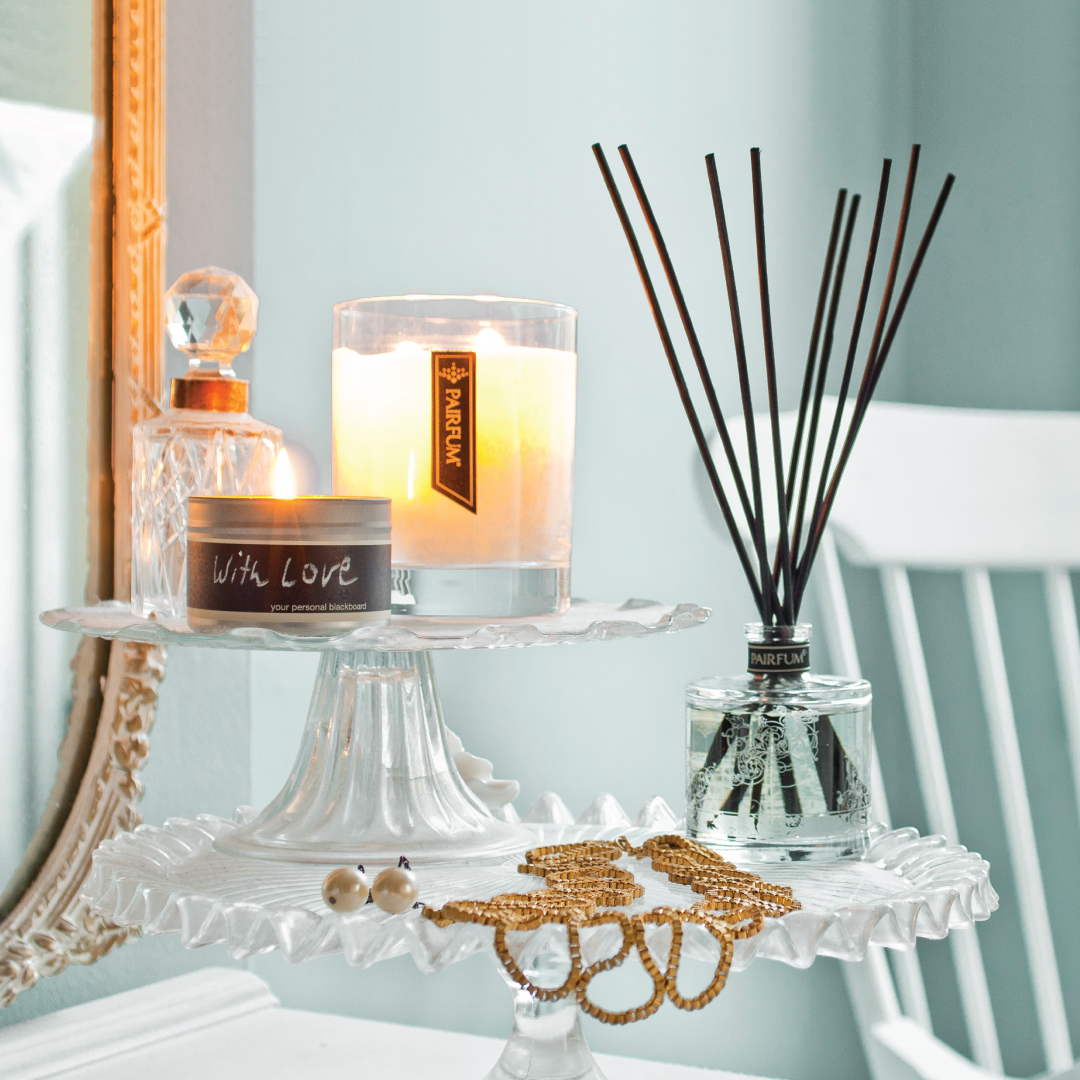
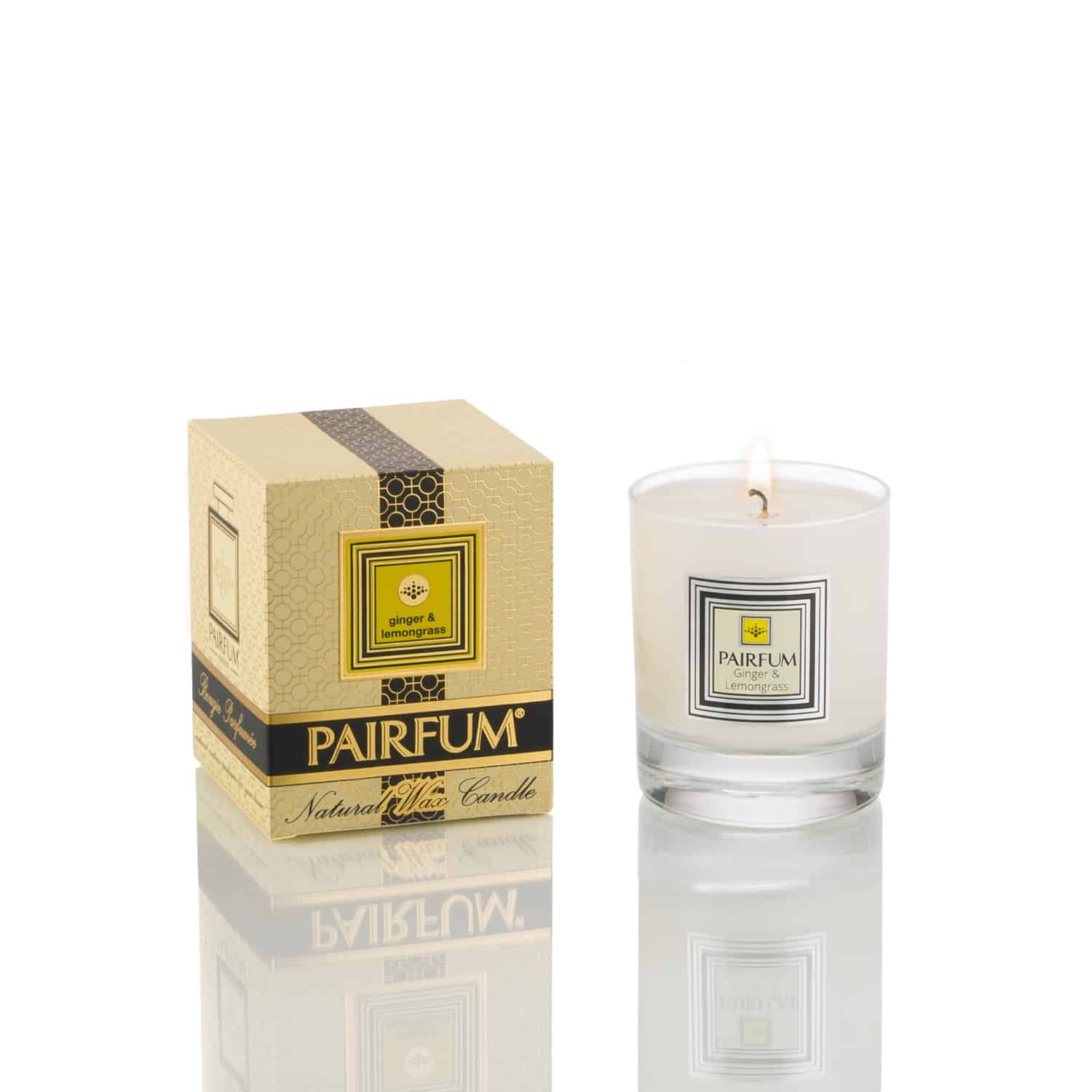
Beyond personal fragrance, lemongrass works beautifully in home scenting, where its clean, uplifting character can transform a room's atmosphere. Our Flower Soy Wax Candles collection captures this versatility, pairing lemongrass with complementary botanicals to create welcoming, naturally refined ambiences. Hand-poured in London with pure soy wax and essential oils, these candles bring the same thoughtful balance we apply to perfumery into your living spaces. Whether you're seeking that crisp, lemony spark to brighten a winter afternoon or a gentle herbal warmth for evening relaxation, the right candle can extend the lemongrass experience beyond what you wear, creating a cohesive sense of freshness throughout your home.
Ginger & Lemongrass - Soy Wax Candle by Pairfum London
An intensely spicy yet zesty fragrance featuring Fresh Ginger woven with a garland of Lemongrass, Bergamot, Lime and Orange. The heart reveals Clove, Cardamom, Jasmine, Lily and Coriander, whilst the base comprises Musk and precious Woods.
The Lasting Charm of Lemongrass in Fragrance
What we find again and again is that lemongrass always seems to find its place. It doesn’t need to demand attention. Its charm is in its balance. It shows up at the start of a perfume to wake things up, or deep in the blend where it steadies the mix.
Lemongrass continues to be one of the quiet champions in natural and niche fragrance. It works with a wide range of styles, from fresh and sporty to soft and smooth. When used well, it brings a familiar ease to the perfume: something cheerful, clean, and confident without being too obvious.
There’s something about its natural, lemony punch that never gets old. Over the years, regardless of changing trends, the place of lemongrass at the heart of classic and modern perfumes stays steady. Blending it into a new formula is a chance to revisit the feeling of green mornings and open skies, no matter the season.
The information we have today confirms that whether as a lemon grass essential oil, a fragrant stalk in a thai dish, or a soothing cup of lemongrass tea, this plant is a versatile treasure. From the soil of Southeast Asia to the fine glass bottles on a perfumer’s shelf, lemon grass remains a timeless favourite for anyone seeking a touch of nature’s brilliance.
https://www.pairfum.com/lemongrass-in-perfumes/?fsp_sid=16506
#AROMATICHERBS #ARTISANPERFUMERSOFLONDON #INSTAPERFUME #LEMONGRASS #LEMONGRASSPERFUME #LEMONGRASSSCENT #NATURALPERFUME #PERFUMELOVERS #SUSTAINABLEBEAUTY #ZESTYSCENT


Comments
Post a Comment