Pomelo Perfume: Bittersweet Citrus Burst
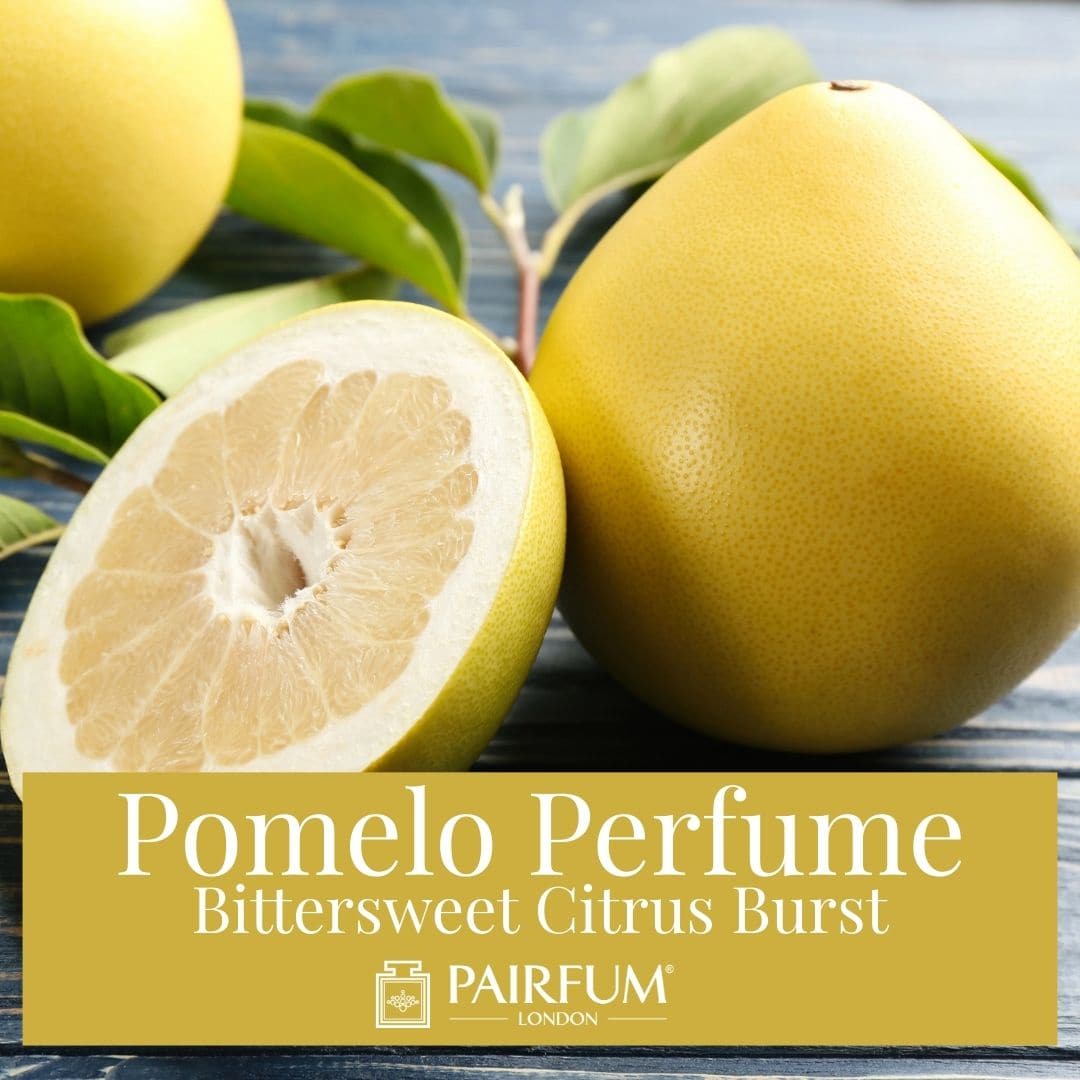
Pomelo is a popular citrus note in perfumery, known for being fresher, sweeter, and less bitter than its close relative, the grapefruit. In aromatherapy and fragrance, it is often described as "cheerfulness, bottled" because of its energising and vibrant qualities.
Pomelo in fragrance offers something many perfume lovers crave, a citrus note that isn’t too sugary or too sharp. It’s clean, a bit bitter, and quietly bright. That balance is what gives pomelo its charm. In natural and niche perfumes, we see more perfumers turning to this fruit when they want to keep a blend crisp and fresh without tipping too far into sweetness.
We’ve always found pomelo helpful when building perfumes with energy. It nudges a bouquet to life right at the top and brings a gentle cheer in the middle of colder months, when darker oils dominate. From where it comes from to how it’s used, this is how pomelo made its place in fragrance.
A Citrus with Roots: The History of Pomelo in Perfumery
Pomelo isn’t new. Its essential oil has been used for centuries in both beauty and wellness routines, often featured in simple body oils or refreshing room blends. The pomelo fruit itself, which looks like a larger, softer-skinned grapefruit, has long been enjoyed for more than its flavour. In early aromatic traditions, pomelo peel or flowers were used to bring lightness or clarity to mixtures meant to calm or revive.
Known botanically as Citrus maxima or Citrus grandis, this citrus fruit is the largest member of the citrus family. Originally native to South East Asia and the wider Southeast Asia region, it is a non-hybrid ancestor of several other citrus species. For instance, the sweet orange is a cross between a pomelo and a mandarin, while the grapefruit is a hybrid of the pomelo and the sweet orange. By the late 20th century, as natural perfumery grew and interest turned to cleaner fragrances, pomelo oil found a way into more blends. Makers began looking for citrus notes that offered more character than lemon or orange. Pomelo, with its touch of bitterness and transparency, became a useful addition for those wanting lightness with depth.
In historical contexts, the bright aroma of a pomelo has represented cleansing and renewal. In China, it remains a symbol of prosperity and family unity, often offered to ancestors during the Lunar New Year. This cultural significance made it attractive not only in personal fragrance but in home aromatherapy practices, since its presence suggested fresh starts after long winters.
Distinct Types of Pomelo and What They Offer
Not all pomelos give off the same aroma, and in perfumery, we consider the variety just as much as the process. Pomelos can range in colour and aroma, each type bringing its own effect to a perfume.
- White pomelo tends to be drier with a greener, sharper citrus edge
- Pink pomelo comes across as rounder, a bit sweeter, and sometimes juicier under the nose, often featuring a vibrant pink flesh
These small shifts make a meaningful difference. A white pomelo may lift a fragrance cleanly without too much presence, while a pink pomelo might create a softer citrus roundness, especially in eau de toilettes or warmer skin oils. The variety we pick depends on how prominent we want the citrus to feel and where it should land in the overall profile.
The harvesting area and the season at which the pomelo is picked can subtly shift the oil’s aroma as well. A pomelo harvested early in the season tends to present a livelier profile, while those picked later lend more warmth and softness to the finished essence. In the United States, cultivation in states like Florida and California has allowed for a steady supply, though the fruit is also widely grown in Israel and South Africa. This attention to timing helps us shape a fragrance experience that matches its purpose, whether that’s for an energising spring lift or a mellow backdrop.
Botanical Profile and Physical Characteristics
To understand the pomelo, one must look at its structure. Unlike a standard grapefruit, the pomelo is known for its incredibly thick rind and a total weight that can reach several kilograms. The tree itself can grow up to 15 metres tall, featuring distinctly winged leaf stalks and fragrant yellow-white flowers. When you cut through the yellow colored exterior, you find the inner edible flesh protected by a dense, spongy pith called the albedo.
While many enjoy the fresh fruit for its fibre and high levels of Vitamin C, perfumers are more interested in the pomelo extract derived from the skin. Because it grows primarily in tropical regions and various Asian countries, the citrus produced there often has a more robust profile than that grown in cooler climates. Whether it is sourced from the East or newer plantations, the citrus quality remains a benchmark for freshness.
Extracting Pomelo’s Citrus Essence
To capture pomelo in fragrance form, we press the peel. This method, called cold pressing, doesn’t involve heat, so the oil stays close to the natural experience of peeling open the fruit. Cold-pressed oils carry the boldness of raw citrus with a sharper, fresher hit than those heated into extract.
Once collected, pomelo oil shows up at the very top of a perfume’s development. It’s a top note, which means it’s often the first thing someone smells and one of the first to fade. That lightness is part of its charm. Pomelo hits quick with citrus bite, then eases into a more relaxed green bitterness just before the heart of the perfume comes forward.
This fleeting brightness leaves room for the rest of the fragrance to reveal itself. We often combine pomelo with other top notes such as bergamot or grapefruit, using it to add extra zest and complexity at the very beginning of a blend. Sometimes, a hint of pomelo peel is added to aromatic waters or mists, refreshing linens or personal workspaces. The process of cold pressing relies on careful handling to avoid capturing too much of the bitter pith, as this can skew the aroma toward harshness. That’s why we choose the right portions of the peel for the optimal balance of zest and delicacy.
Culinary and Health Context of the Fruit
While we focus on scent, the pomelo fruit is a staple in many food products and delicious recipes. In many cultures, the fruit is broken down into fruit salads, where each seed is removed to highlight the juicy vesicles. Beyond its culinary use, nutritional guides often highlight the pomelo for its high fibre content and concentration of antioxidants.
Research into antioxidants such as naringin and naringenin has even looked at how compounds in citrus might interact with cancer cells or help prevent heart disease. These phytochemicals help combat oxidative stress by neutralising reactive oxygen species. For those living in the United Kingdom, specifically in areas like Northern Ireland, finding this exotic fruit might have once been a challenge, but modern delivery services and wider selection results in supermarkets mean it is now easily added to a shopping basket.
Whether you are looking for certified halal meat or speciality 100 halal meat in an international market, you will likely find the pomelo nearby in the fresh fruit section. This crossover between the kitchen and the vanity table is common for citrus notes, as the product description for both food and perfume often shares terms like zesty, sharp, and refreshing. One health consideration to note is that pomelos contain furanocoumarins, which, like grapefruit, can interfere with the metabolism of certain medications like statins.
Pomelo in Iconic and Niche Perfumes
We’ve noticed pomelo paired well with other sharp fruits like grapefruit or bergamot, where its bitterness can cut through and clean up a perfume’s opening. In natural perfumes, it often appears beside herbal notes such as sage, mint, or rosemary. These combinations keep the mood from drifting into sweet or floral territory, making it a strong match for those seeking something cool and clear.
In summer perfumes, pomelo feels at home as a burst of energy. It has also been well received in reed diffusers or room sprays, where the idea is to keep a space feeling bright without leaning on florals or overly sweet citrus oils. In niche perfumes, pomelo often finds a place beside soft musks or warm woods, where it adds lift to notes like sandalwood or neroli.
Many natural perfume makers seek out pomelo when creating modern interpretations of classic citrus colognes. It shines when used to highlight fresh cut grass, dewy florals, or even dry, spicy backgrounds. The bitter edge of the pomelo keeps these blends from becoming too easy, giving them a small jolt that sets them apart. We’ve found that the pomelo profile blends well with cooling, slightly spicy notes such as cardamom or pink pepper. This gives the perfume extra complexity and extends its sparkling first impression.
Iconic Pomelo Fragrances
Jo Loves: Pomelo - A cult classic known for its photorealistic, zingy, and sharp opening that captures the exact scent of a freshly peeled fruit against a clean base of vetiver.
Heeley: Note de Yuzu - A sophisticated, salty citrus blend that uses the bitter zest of pomelo to create a crisp, high-fashion energy inspired by traditional Japanese baths.
Tiffany & Co: Tiffany & Love For Her - A bright, modern floral that pairs the bittersweet spark of pomelo with blue basil and neroli for a refined and elegant finish.

Pomelo’s Bright Role During the Late Winter
February can feel long. In the middle of heavier, comfort-driven perfumes filled with resins, woods, or spice, pomelo shows up like a breeze cutting through the closeness. The oil doesn’t overpower, but it helps reset the profile of a fragrance that might feel overly warm or dry when the winter drags on.
We work pomelo into cold-weather perfumes to keep them from closing in. A touch of citrus at the top, especially one with a bitter spark, brightens oud or amber just enough to keep things wearable and not too heavy. This fruit gives the fragrance a cleaner lift without steering off course.
As early spring approaches, many people prefer a perfume that hints at the coming change in season without being overly floral or sweet. The gentle bitterness of the pomelo is especially helpful here, because it signals freshness, not just sweetness, to the senses. Its crispness can refresh the spirit and help transition a fragrance wardrobe from winter comfort to spring cheer. By using different parts of the citrus aroma, from the zest to the floral undertones, a perfumer can create a narrative of growth and light.
Pomelo Inspired Perfume Spray by Pairfum London
In the spirit of pomelo's refreshing clarity, our Flacon Perfume Room Spray offers an elegant way to bring natural fragrance into your living spaces. These beautifully crafted glass bottles hold concentrated perfume mists that freshen rooms without overwhelming them, perfect when you want to lift the atmosphere during late winter's heaviest days or transition into spring's lighter mood. A few spritzes deliver the same thoughtful blend of notes you'd wear on your skin, but designed to scent linens, curtains, or simply the air around you. It's a natural extension of your fragrance ritual, allowing your favourite perfume profiles to live beyond the body and into the spaces where you spend your time.
Neroli & Olive - Flacon Perfume Room Spray by Pairfum London
A refined accord centred around the luminous notes of Neroli, Pomelo, Lime and Petitgrain. Jasmine Petals, Vetiver, Patchouli and Aged Leather bring depth and warmth to capture the feeling of strolling through an olive grove on a warm, sun-drenched day.

Conclusion: The Lasting Appeal of the Largest Citrus
The pomelo remains a fascinating subject for anyone interested in the intersection of nature and scent. Its high Vitamin C and fibre levels might make it a star in the kitchen, but its complex, bittersweet citrus profile makes it a legend in the lab. By understanding the pomelo fruit and its journey from South East Asia to the global stage, we can better appreciate the nuances of the fragrances we wear every day.
From its thick rind to its pink flesh, every element of this citrus fruit contributes to its status as a versatile and beloved ingredient. Whether you are enjoying it in fruit salads or as a sparkling top note in a niche perfume, the pomelo provides a unique sensory experience that is both ancient and thoroughly modern.
https://www.pairfum.com/pomelo-in-fragrance/?fsp_sid=16664
#CITRUSPERFUME #LUXURYFRAGRANCE #ARTISANPERFUMERSOFLONDON #CITRUSFRAGRANCE #INSTAPERFUME #PERFUMELOVERS #POMELOFRAGRANCE #POMELOPERFUME #POMELOSCENT


Comments
Post a Comment