Cinnamon in Perfumery: Sweet Heat and Spiced Depth
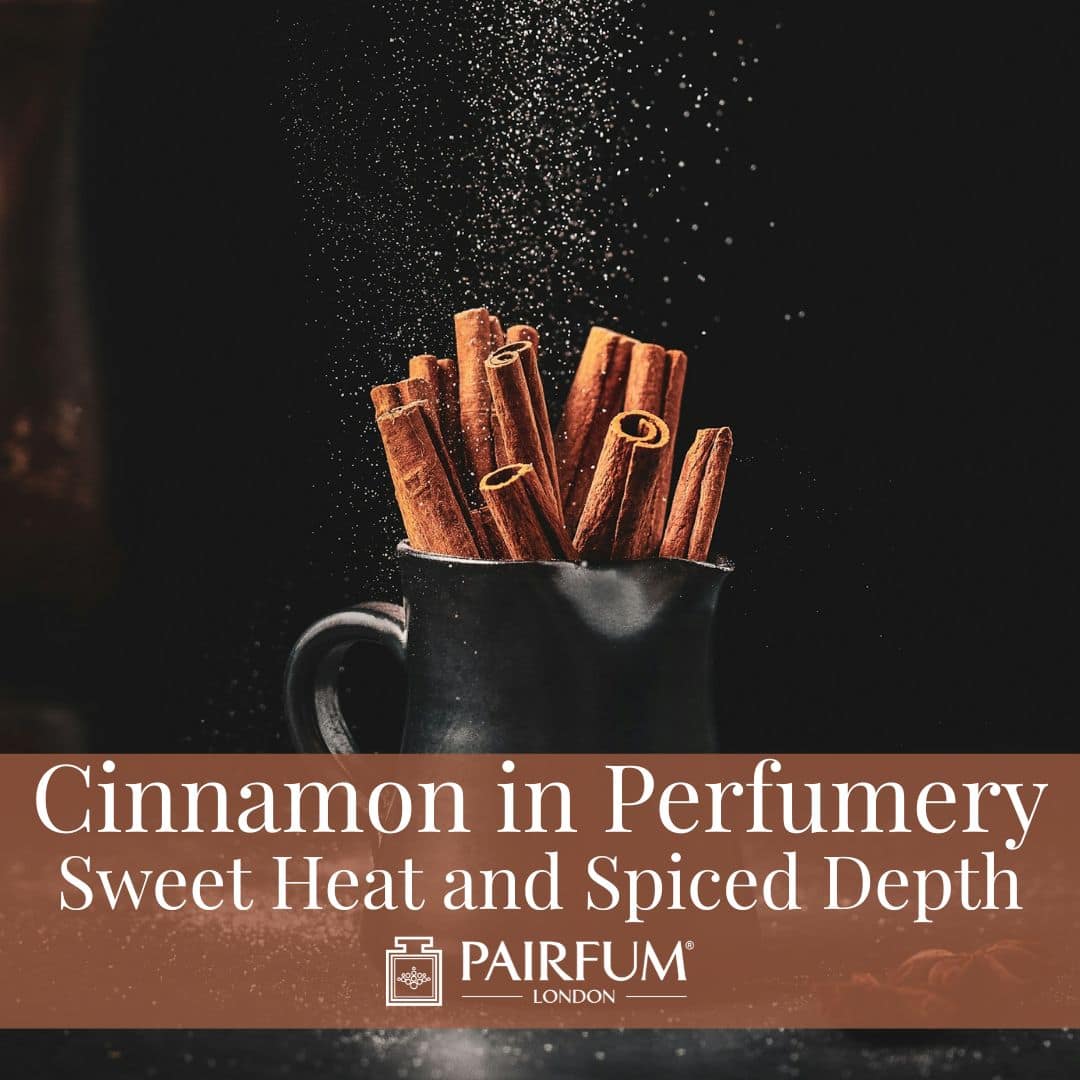
Cinnamon is a highly fragrant, warm, and naturally sweet spice derived from the inner bark of trees belonging to the Cinnamomum genus. It is primarily used in baking, desserts, seasonal drinks (such as mulled wine and hot chocolate), and various savoury dishes worldwide due to its unique versatility and potent aromatic flavour. Available as cinnamon sticks (quills) or ground powder, this spice is also commonly associated with potential blood sugar regulation and brain function support.
Cinnamon has always held a particular charm in perfumery. This familiar spice feels warm and inviting, with just enough heat to catch the senses without overwhelming them. We tend to associate cinnamon with food and home comforts, yet in fragrance it takes on a more nuanced role, adding character, depth, and gentle fire.
Unlike overly sweet dessert flavours, cinnamon in perfume brings balance. It gives warmth without becoming sugary, allowing a fragrance to feel alive in cooler weather. Wrapped around amber, woods, or vanilla, cinnamon settles like a soft scarf on a cold day. Long before its place in modern blends, cinnamon travelled trade routes, scented rituals, and infused healing balms across continents.
This is the story of how cinnamon found its way from bark to bottle, and why it continues to matter in perfumery today.
From Bark to Bottle: Understanding Cinnamon More Deeply
All cinnamon comes from the inner bark of the cinnamon tree, which belongs to the Cinnamomum family. The most prized species is Cinnamomum verum, also known botanically as Cinnamomum zeylanicum. This is the source of true cinnamon and is mainly cultivated in Sri Lankan regions.
Ceylon cinnamon sticks are created by carefully peeling the inner bark and allowing it to dry naturally. These Ceylon cinnamon sticks are light in colour, thinly layered, and refined in flavour. By contrast, cassia varieties use thicker bark, resulting in a darker appearance and a more forceful spice character.
Cassia cinnamon includes Chinese cinnamon, also referred to as Chinese cassia, alongside Indonesian cinnamon and Saigon cinnamon. These are commonly classified as Cinnamomum cassia or c loureiroi. Cassia bark produces a stronger aroma and a sharper heat, which explains its widespread use where intensity of flavour and spice is desired.
A Fragrant Past: The History of Cinnamon in Perfumery
Cinnamon has been valued since ancient times, from China through to Egypt. It was not only prized for its flavour but also for its warming effect and symbolic associations. Oils infused with cinnamon bark were used in rituals, incense, and early perfumes, often connected with protection and vitality.
Across early Arabia and the Mediterranean, cinnamon oil was blended with resins, woods, and herbs for both spiritual and everyday use. As perfumery developed across Europe, cinnamon remained part of the perfumer's palette.
By the nineteenth and twentieth centuries, cinnamon had shifted from ceremonial use into refined fragrance compositions. It found its place in comforting gourmand styles as well as in spiced perfumes designed for colder months, where warmth and presence were essential.
Two Types, Two Aromas: What Kind of Cinnamon is Used?
Perfumers make careful choices when working with cinnamon, as not all types behave the same way. Two main forms dominate.
Ceylon cinnamon, often called true cinnamon, has a softer profile. Its aroma is rounded, subtly sweet, and smooth. This makes it ideal for perfumes that aim for elegance rather than impact, particularly when paired with vanilla or honey.
Cassia cinnamon delivers far more intensity. Rich, bold, and fiery, cassia brings instant warmth. It is often chosen when a perfume needs drama and strength, especially during autumn and winter.
Whether the goal is comfort or statement, the choice between ceylon cinnamon and cassia shapes the entire direction of a fragrance.
Aroma, Chemistry, and Balance
The distinctive scent of cinnamon comes primarily from cinnamaldehyde, which is concentrated in the bark. Cassia varieties contain higher levels of cinnamaldehyde and also more coumarin. Coumarin adds depth and warmth, but it requires careful handling due to its strength.
In perfumery, cinnamon oil may be extracted from either bark or leaves. Bark oil brings sweetness and heat, while leaf oil introduces a drier, clove-like note. Many perfumers rely on controlled fractions, essential oil blends, or cinnamon extract to manage strength, safety, and balance.
This measured approach allows the spice to shine without overpowering the composition.

Cinnamon Beyond Perfumery: Food, Memory, and Everyday Use
Cinnamon is deeply woven into food culture. Ground cinnamon and cinnamon powder appear in baking traditions across the world, from a classic cinnamon roll to festive pastries and enriched rolls.
A familiar recipe often begins with dough made from flour, sugar, and butter. Unsalted butter or melted butter is spread generously, followed by cinnamon sugar made with brown sugar. After baking, a dusting of powdered sugar might be added. A cinnamon bun fresh from the oven carries comfort that feels almost universal.
Beyond baking, cinnamon enhances savoury dishes, mulled wine, and even cinnamon tea. Its flavour crosses sweet and savoury boundaries with ease, which helps explain its lasting appeal.
Supplements, and Responsible Context
Interest in cinnamon has extended into wellness, leading to cinnamon supplements and wider cinnamon supplementation. Research suggests that outcomes depend heavily on the type of cinnamon used, the preparation, and dosage.
Cassia cinnamon supplements may contain higher levels of coumarin, which is why moderation matters. Any supplement should be approached thoughtfully, and cinnamon's role in fragrance or food should not be confused with health claims.
Capturing the Spice: How Perfumers Extract Cinnamon
In fragrance, cinnamon's scent usually comes from steam-distilled oil taken from the bark or leaves of the cinnamon tree.
Bark oil delivers the richest warmth associated with spiced perfumes. It feels dry, deep, and comforting, making it ideal for resinous or smoky blends.
Leaf oil offers a lighter, greener aroma with hints reminiscent of clove or even star anise.
Because natural cinnamon oil can irritate the skin at high concentrations, perfumers often use carefully balanced accords or synthetics. These retain the recognisable character of cinnamon while keeping fragrances wearable and safe.

How Cinnamon Is Used in Perfume Blending
Cinnamon typically appears in the heart or base of a perfume. It anchors the composition once brighter notes fade, releasing warmth gradually rather than all at once.
It blends particularly well with:
Vanilla, tonka bean, or honey for soft, edible warmth
Amber and woods for depth and comfort
Florals for contrast and structure
Citrus notes to lift and brighten the spice
Cinnamon's versatility allows it to move between subtle and bold expressions. This is why it features in perfumes for all genders and across many styles.
Cinnamon's Shining Moments: Iconic Perfumes That Use It Well
Cinnamon often feels most at home in autumn and winter fragrances. Cooler air allows the spice to unfold fully. That said, it is not limited to one season. Used with restraint, cinnamon becomes a defining feature rather than a background note.
Some perfumes combine cinnamon bark with dried fruits, nuts, and soft musks. Others lean into woods and leather, letting cinnamon glow quietly beneath the surface. In-home fragrance, cinnamon evokes memory and comfort, from festive kitchens to spiced evenings indoors.
Its range, from gentle sweetness to sharp spice, keeps it relevant across perfume and interior scenting.

The Warm Embrace of Spice: Why Cinnamon Draws Us In
Cinnamon feels personal. Its warmth is reassuring rather than overpowering. It brings sweetness, strength, and familiarity in equal measure. Whether encountered in food, scent, or memory, cinnamon has a way of grounding us.
In niche and natural perfumery, cinnamon remains valued for its honesty. It is never sterile or flat. That quiet warmth continues to draw us back, especially as days shorten and seasons change.
Cinnamon Home & Personal Fragrances With Pairfum London
Rich Spices - Large Bell Shape Reed Diffuser by Pairfum London
This aromatic and spiced composition often opens with Pomegranate and Cranberry, moving into a warming heart of Chestnut, Nutmeg, Cinnamon, and Clove. The base rests on Vanilla Pods, dried Figs, Dates, and Persimmons, creating a comforting atmosphere. Free delivery is available on qualifying orders.
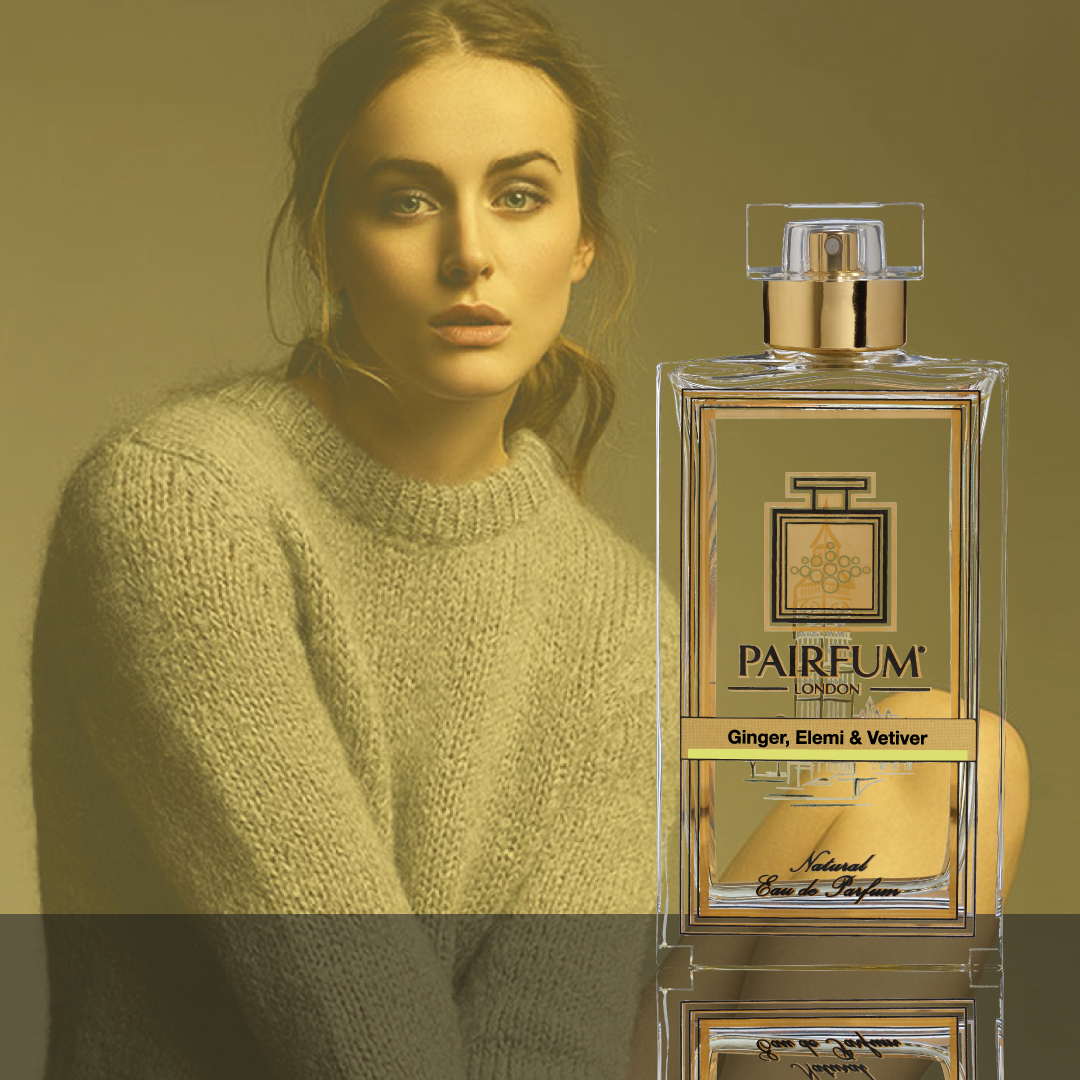
Ginger, Elemi & Vetiver - Eau de Parfum by Pairfum London
This fragrance blends bright citrus notes of Bergamot and Grapefruit with warming spices including Ginger, Nutmeg, and aromatic Cinnamon. Floral notes of Geranium, Rose, Freesia, Gardenia, Jasmin, and Orange Blossom follow, supported by Coconut and Raspberry. The base features Vetiver, Guaiacwood, Cedar, Amber, Cashmere Musks, Vanilla, and Moss.

Conclusion:
From cinnamon stick and cinnamon bark to essential oil and extract, cinnamon bridges flavour, scent, and memory. Whether experienced as Ceylon cinnamon or cassia, it balances sweetness and spice in a way that feels timeless.
Rooted in history and endlessly adaptable, cinnamon continues to hold its place in perfumery, food, and home fragrance, offering warmth and familiarity that never truly fades.
https://www.pairfum.com/cinnamon-in-perfumery-sweet-heat-spiced-depth/?fsp_sid=13422
#ARTISANPERFUMERSOFLONDON #CINNAMON #CINNAMONPERFUME #INSTAPERFUME #NICHEPERFUMERY #PERFUMEINGREDIENTS #PERFUMELOVERS #SPICYFRAGRANCE #WARMSPICENOTES


Comments
Post a Comment