Orange Slice in Fragrance: Zesty Citrus Spark

The term 'orange slice' typically refers to a wedge or segment of a fresh orange, a candied or dried citrus confection, or a specific type of ancient flint tool. Fresh orange slices are a popular, healthy fruit snack, whereas candied and dried orange slices are frequently used in baking, cooking, and as decorative garnishes for desserts and cocktails. Archaeologically, the term also refers to a crescent-shaped flint tool resembling an orange segment, primarily used for harvesting plants during the Neolithic period.
The pull of citrus in fragrance is something most people recognise. It feels bright the moment you notice it, and it has an easy way of cutting through richer scents. Among the familiar citrus notes, the orange slice has become one that many perfumers enjoy working with. An orange slice lends a lively touch that feels cheerful without drifting into sweetness. In both natural blends and niche creations, orange slices bring a burst of freshness that feels clean, modern and instantly uplifting.
This is nothing like the artificial orange found in sugary drinks. Instead, the aroma from a well‑built orange slice note has a quick spark of zest. It suits early mornings, crisp weather and even a cosy evening indoors. When the season edges towards early autumn, that soft mix of juice and peel sits comfortably between fruity and green. It feels gentle, balanced and never too heavy.
The Citrus Fruit Behind the Aroma
When perfumers speak about an orange slice, they are not thinking only of a piece of fruit you might eat. The full idea includes the orange peel with its sharp edge, the zest that brings bitterness, the burst of juice and even the slight greenness from the membrane. Together, these form something fuller than simple orange. A citrus fruit behaves this way in nature, offering several layers at once, and perfumers aim to capture that.
Most people are familiar with sweet oranges, which are often featured in drinks, desserts, and fresh oranges sold in shops. Bitter orange brings something more complex. It is sharper, deeper and slightly more aromatic. Many perfumers value this contrast, which helps shape a more rounded citrus slice impression in natural formulas.
There is also a long history of using orange peel and other citrus materials in older traditions. People dried citrus fruit for scenting rooms, and various herbal blends relied on these notes for their brightening effect. These older habits still influence modern fragrance when orange slices and other citrus materials are chosen for their calming yet cheerful qualities.
Clear Definition: What Is an Orange Slice Note?
An orange slice note aims to mirror what happens the moment you cut into sliced oranges. You notice the first rush of juice, followed by a gentle bitterness and the sweet tone of fruit. It also includes the green edge of the membrane. This is why an orange slice note feels wider and more lifelike than a simple touch of orange. The aim is to recreate a citrus slice that smells natural, juicy and comforting. For someone new to citrus perfumery, this type of note provides a friendly way in. It feels instantly recognisable yet still offers subtle layers that give interest. Even a single slice within a perfume can brighten the composition.

Olfactory Profile of Orange Slice
The scent of an orange slice is more intricate than many expect. It begins with a lively top note that calls to mind freshly squeezed juice. This quick spark then softens into a rounded sweetness, one that steers clear of the sugary quality found in confectionery. A green accent slips in afterwards, echoing the faint bitterness of the thin slices of membrane. A herbal whisper may also drift through, drawn from the natural oils in the orange peel. Each layer contributes to a profile that feels refreshing without being too sharp. Perfumers value this balance because the character of an orange slice can lighten a blend or add warmth, depending on what it sits beside. This versatility is why orange slices continue to be used in both simple cologne styles and more complex contemporary designs.
Types of Orange Used and Their Sources
Different varieties of orange offer slightly different qualities, and perfumers take advantage of this when creating an orange slice impression. Sweet oranges have a friendly scent that leans towards comfort. Bitter orange adds a sharper edge with a touch of resin. Blood oranges bring a richer colour in nature and a deeper fruity nuance in scent. When cara cara oranges are used, they offer a soft sweetness that blends easily with florals. Navel oranges remain popular simply because they are reliable, producing consistent oils.
Some prefer to use organic oranges because untreated skins can offer a cleaner outcome. Fresh oranges grown in warm conditions often hold more aromatic oil in their rinds, which makes them useful for extraction. A perfumer might choose to combine two or three varieties to recreate the sense you get when sliced oranges are laid out on a plate. Each slice delivers something slightly different, yet they work together to form a lively citrus slice effect.
Capturing the Zest: How Orange Makes It into Perfume
For a perfumer, the challenge lies in taking the vivid scent of an orange slice and placing it inside a bottle. Cold pressing remains the most common method for gathering orange oil. The orange peel is pressed until the oils emerge, producing a bright, juicy aroma. Because heat is not used, these oils keep their lively freshness. Steam distillation can also be used, although it requires careful control. If handled gently, it creates a softer, slightly deeper citrus. If pushed too far, the outcome becomes too bitter.
Natural style blends sometimes use pure oils while others rely on crafted accords. These accords mix different citrus materials to recreate the full effect of a fresh slice. A well-balanced orange slice accord carries both the brightness of juice and the subtle greenness around it. Some botanical-themed collections rely on this approach when they want a fragrance to feel refreshing without drifting into sweetness.
Perfume Structures that Feature Orange Slice
There are many ways that orange slices can sit within a fragrance. In classic cologne structures, an orange slice usually appears in the opening where it joins lemon or mandarin to create an instant sense of clarity. More modern compositions sometimes place an orange slice deeper in the heart of the blend, helping the perfume shift smoothly from bright top notes to deeper woods or musks.
A perfumer may even draw on an orange slice to soften heavier ingredients. Woods, resins and certain spices can feel dense if left unbalanced. When a citrus slice effect is added, it can create lightness without removing warmth. Although an orange slice is rarely used as a base note, it may linger longer when paired with fixatives that slow evaporation. In this way, even a hint of citrus can shape the final stages of a fragrance.
Working with Other Notes: Orange Slice in a Perfume Blend
An orange slice can play several roles inside a fragrance depending on what surrounds it. Most often it appears at the top, creating an early spark. At other times it settles into the heart, joining florals or herbs to help them breathe more easily. In rare situations, a perfumer might anchor a citrus slice deeper in the structure, although this requires careful work so that the light qualities of citrus do not disappear too quickly.
Pairings make a real difference. An orange slice with jasmine or neroli adds a lively opening for flowers that might otherwise feel subdued. Used with spices such as cinnamon or clove, orange slices brighten the warmth. When added to woods or soft resins, an orange slice brings gentle clarity so that heavier notes feel more open. In home fragrance, an orange slice often provides a clean tone that keeps the atmosphere feeling fresh.
Some perfumers use orange slices to round out sharp materials. When combined with tea, ginger or lavender, the result feels calm yet never dull. For this reason, an orange slice continues to be chosen when a fragrance needs lift without becoming loud.
Historical and Cultural Significance
The use of citrus fruit in fragrance dates back many centuries. In early Mediterranean regions, people dried citrus fruit for simple room scenting, hanging pieces in doorways to bring freshness indoors. As trade expanded, oranges travelled across sea routes, and different varieties spread into new climates. The aroma was linked with hospitality and cleanliness, two qualities that still shape how an orange slice is used in modern compositions.
In some parts of East Asia, oranges symbolised good fortune and purity. Orange blossom became a familiar wedding flower, while the fruit itself appeared in several ceremonies. When distillation techniques moved across Europe, perfumers began exploring everything from the orange peel to the leaf and the flower. Each part offered something distinct. This long history sits quietly behind the orange slice notes found in contemporary perfumes, carrying forward a sense of bright comfort.

Fragrances with Lasting Spark: Perfumes That Use Orange Slice Well
Many fragrances rely on an orange slice to introduce clarity. This can be seen in light colognes that suit warm days, as well as balanced daytime scents worn throughout the year. An orange slice may open a perfume with sparkle before settling into softer tones such as lavender or musk. In other perfumes, orange slices remain present for longer, particularly when blended with green tea or mild spices like ginger.
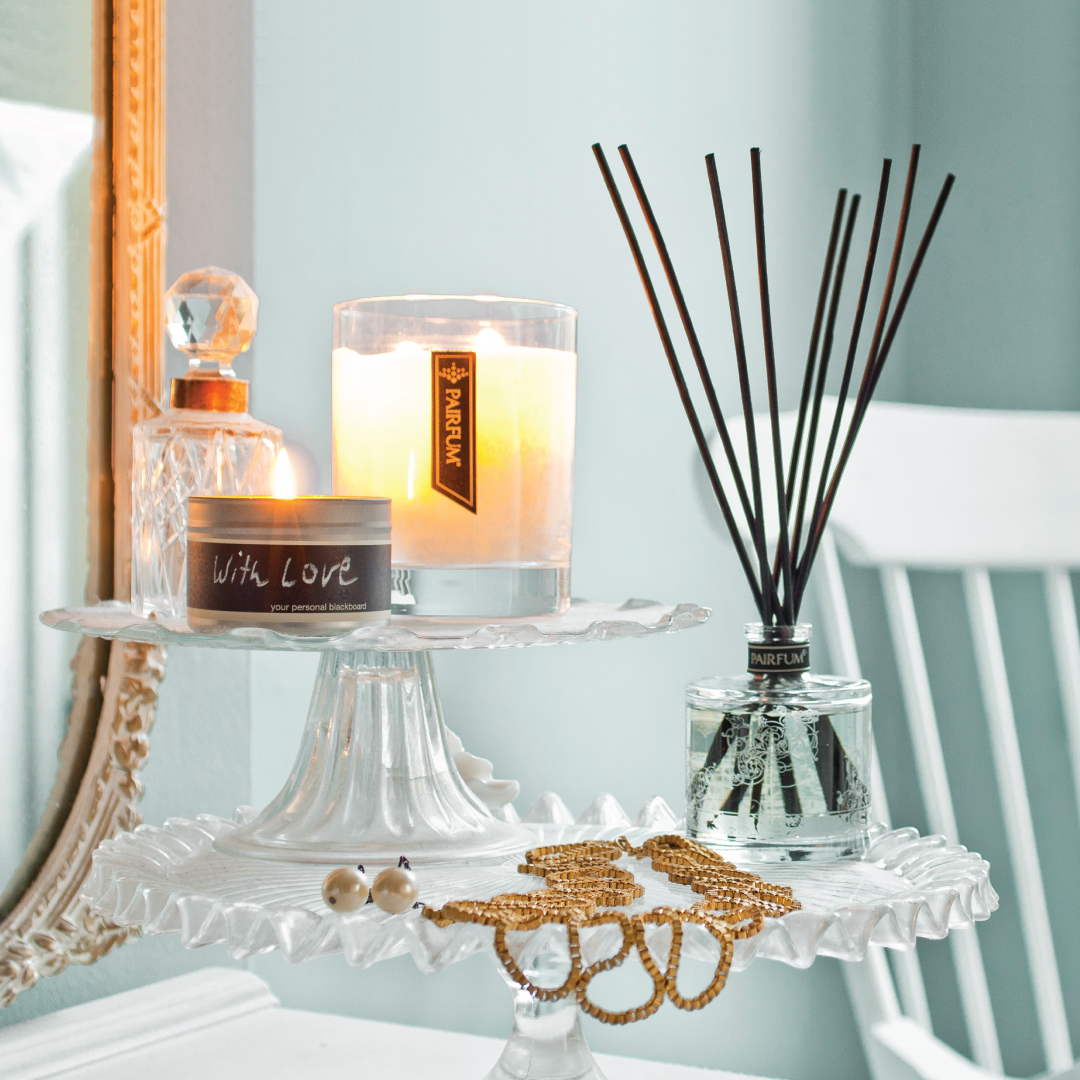
Orange slices appear often in home fragrance as well. They give a clean impression when used in candles or diffusers, helping a room feel fresh without becoming overpowering. Their scent sits comfortably in early autumn and even in winter, when a gentle citrus note can lift the darker days.
Benefits of Orange Slice in Perfumery and Well-being
People often describe citrus as uplifting, and an orange slice easily supports this perception. Its natural sweetness remains soft, avoiding anything cloying. This suits those who want a fragrance that feels familiar and gentle. The airy quality of an orange slice can open a perfume, making it easier to wear during busy days or relaxed evenings.
Aromatherapy traditions have long used citrus for clearing the mind. The same qualities appear in modern perfumes when an orange slice provides a sense of brightness without intensity. It can soften a blend or create a bridge between contrasting ingredients, leaving the wearer with a feeling of ease.
A Clean Pop of Citrus for Early Autumn
As autumn arrives, the weather shifts slightly and orange slices fit this moment well. The aroma feels like a link between summer’s warmth and the cooler air of October. It brightens mornings without overwhelming the senses. Much like opening a window to let in a fresh breeze, an orange slice adds movement inside a fragrance or a room.
This balance makes orange slices ideal for people who want freshness during cooler months but dislike heavy spices. The scent feels tidy and steady, returning each time with a gentle spark. Even a small citrus slice note can add enough energy to make everyday routines feel more open.
Layering Tips and Usage Advice
An orange slice is one of the easiest notes to use when layering perfumes. It blends smoothly with florals, adding a sunny upper layer to jasmine or neroli. With green or herbal fragrances, an orange slice introduces clarity. Woodier scents also work well with orange slices, since the citrus helps prevent the base from becoming heavy.
A simple approach is to start with a citrus-centred fragrance. When that layer settles, apply something deeper or softer on top. The orange slice will shine through, drawing the layers together without competing with them.
Home fragrance can use a similar method. A candle with a citrus slice effect near a mild floral diffuser gives a natural sense of freshness that moves throughout the space.

Sustainability and Ingredient Integrity
Sourcing citrus is often more sustainable than people expect. Much of the orange used in perfumery comes from the byproducts of the juice industry. Instead of discarding the peel, producers press it to extract oils. This makes good use of material that would otherwise be wasted.
Organic oranges offer additional assurance because their peels are untreated. Some perfumers look for small-scale growers who farm responsibly. Cold pressing remains one of the most energy-efficient extraction methods for oranges. Steam distillation uses more resources but can still be carried out carefully.
For many consumers, ingredient integrity matters. Knowing where an orange slice note comes from, how the oils were extracted and how growers were treated helps people make choices that match their own values.
A Culinary Detour: Orange Slices in the Kitchen and Crafts
Fresh Oranges in Everyday Use
Fresh oranges turn up in many homes, whether used for baking, drinks or simple table decoration. People often prepare dried orange slices when they want something long-lasting, especially for Christmas crafts where colour and scent matter. Dehydrated orange slices are popular because they hold their shape well. Some prefer dried oranges for their gentle aroma, and a larger slice can be used as a rustic decoration hung in a window. A single citrus slice can add more charm than expected, especially when paired with other dried fruit in small seasonal arrangements.
The Charm of Candied Orange
Candied orange slices have a sweetness that feels nostalgic. Many use candied orange when decorating a cake, sometimes dipping pieces in chocolate or dark chocolate for a pleasant contrast. Candied orange slices appear in older recipe collections where fruit was simmered slowly. Some cooks include candied citrus slices or candied slices to bring warmth. Others reach for candied lemon slices when they want brightness. A baking sheet lined with baking paper helps the fruit cool after cooking, and a paper towel can remove extra moisture before the slices are coated in syrup. This step improves the look of each dried slice once it sets.
Drying and Preparing the Fruit
To prepare dried fruit at home, a sharp knife is used to create thin slices of fresh oranges. These sliced oranges are placed into a low oven until they dry slowly. A single dried orange or a tray of dry oranges can then be stored for later use. Some people coat pieces lightly with syrup or orange syrup so they shine once cooled. A cinnamon stick or star anise can also be added to a pan when warming slices, giving a warm, spiced scent. Dried citrus works well as a cocktail garnish, and those who like to garnish cocktails often enjoy mixing citrus with herbs for extra colour.
Varieties and Their Uses
Many recipes call for fresh oranges, though cara cara oranges are chosen for their soft flavour. Blood oranges are used when a deeper shade is wanted, and navel oranges remain reliable for preparation and drying. Organic oranges appeal to those who want untreated skins. Dried citrus, dried orange, and dried fruit all bring gentle fragrance to a room. Some people place dry oranges in bowls as simple decoration.
Using Orange Peel and Larger Slices in Crafting and Home Aroma
Those who enjoy seasonal crafts often use orange peel or larger slices for displays. The peel retains much of the essential oil, which keeps the aroma vivid even after drying. Larger slices stay firm, making them ideal for wreaths or table decoration. Dehydrated oranges appeal to people who want pieces that hold colour. These methods show how citrus can cross easily from the kitchen into simple home fragrance.
Recipes and Final Touches
A simple recipe can turn slices of citrus into gifts or house décor. A recipe faq may answer questions about oven temperatures and storage. A recipe rating helps people choose the method they prefer. Candied orange slices, candied citrus slices and candied slices are used widely, and some people enjoy placing them beside dark chocolate on a platter. Candied lemon slices sometimes appear in mixed trays with citrus, adding a lighter contrast.
The Sensory Connection with Perfumery
Anyone who has simmered candied orange or dried orange slices will recognise the warm citrus scent that rises. This aroma feels uplifting in much the same way as a perfume with an orange slice note. The link between the two worlds explains why citrus materials continue to inspire both cooks and perfumers.
FAQs
What makes an orange slice note different from a plain orange?
It includes the zest, the juice, the soft bitterness of the membrane and even the green edge of the peel, creating something fuller than a simple orange.
Why do citrus notes fade more quickly?
Citrus materials evaporate faster. Perfumers slow this by layering or using fixatives.
Is orange slice suitable for wear throughout the year?
Yes. It suits spring, summer, early autumn and even winter when a little brightness is welcome.
Can orange slices be used in both personal and home fragrance?
Yes. They add freshness without heaviness and feel clean in most settings.
Does an orange slice blend well with florals or spices?
It works with jasmine, neroli, lavender and warm spices. It also introduces clarity to woods and herbs.
Orange Blossom and Orange Slice-Inspired Personal & Home Fragrance by Pairfum London
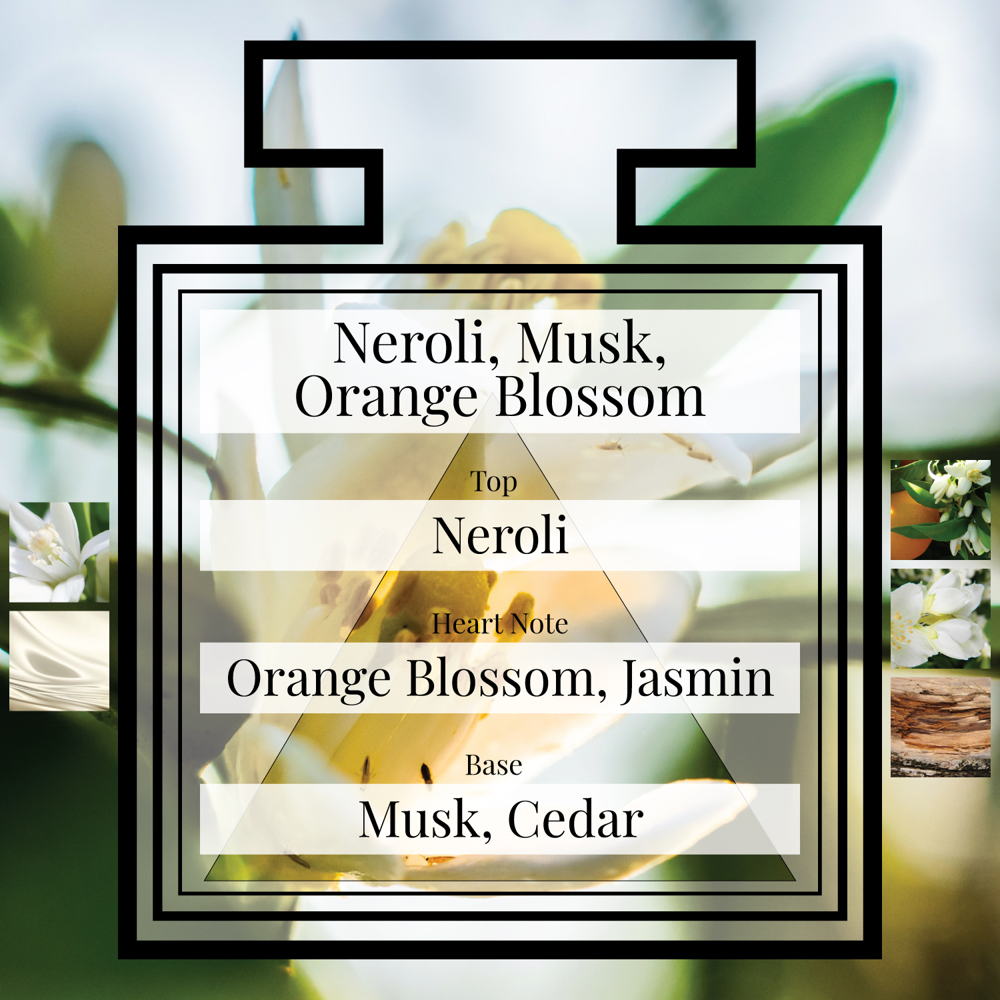
Neroli, Musk, Orange Blossom - Eau de Parfum by Pairfum London
This beautifully fresh, floral fragrance opens with the natural top note of Neroli. What follows is an alluringly pure & white floral heart of Orange Blossom and Madagascan Jasmine. The sensual base of Radiant Musk and Cedarwood adds depth and warmth to this fragrance.
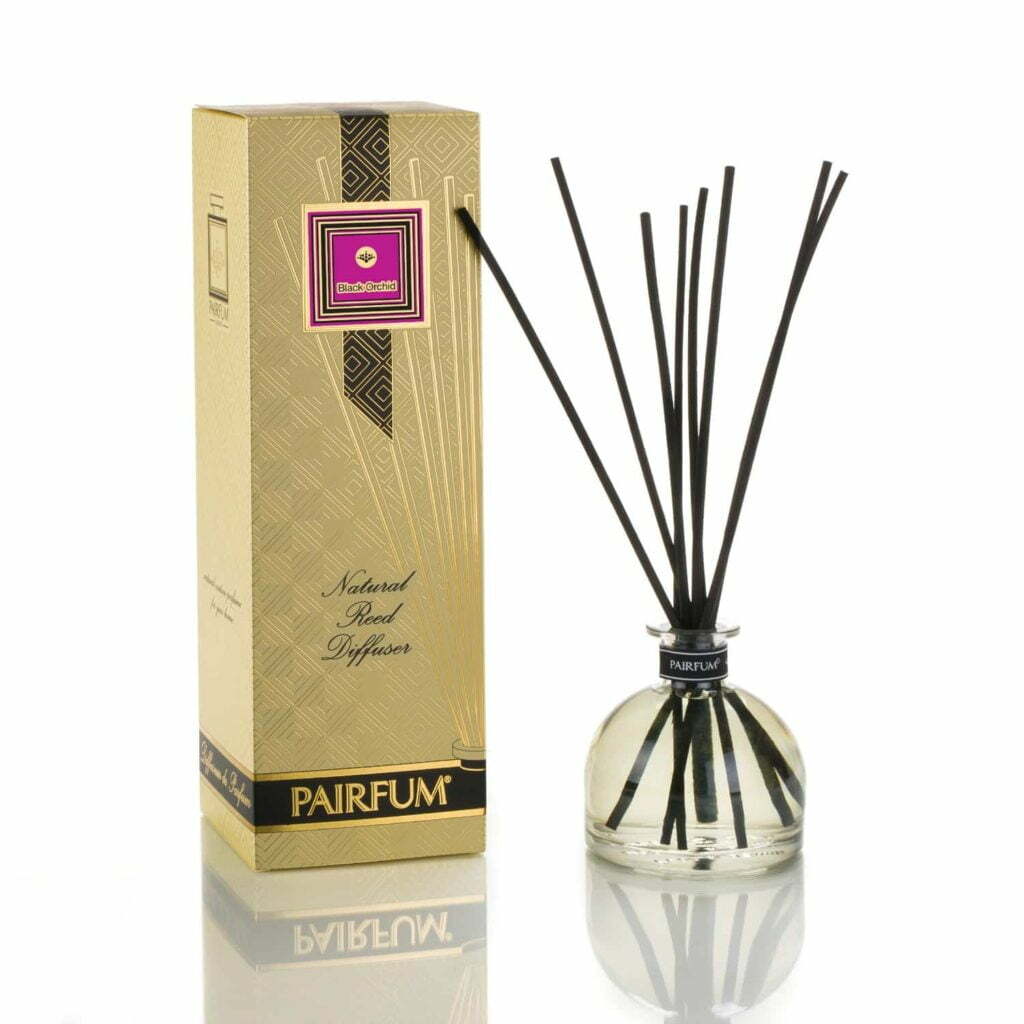
Black Orchid - Bell Shape Reed Diffuser by Pairfum London
This rich, Oriental fragrance features a top of Anjou Pear, Dark Cassis and Orange Slice. The heart is elegantly floral, consisting of Black Orchid and Powdery Violet. Finally, a divinely sensuous base of Musk, Copahu Balm and Vanilla Pod completes the scent.
Conclusion
Orange slice remains one of the most familiar and uplifting notes in fragrance. Its mix of zest, gentle sweetness and soft green nuances makes it a favourite among perfumers and fragrance lovers alike. It adds clarity to perfumes, warmth to seasonal blends and brightness to home fragrance. Even away from perfumery, orange slices appear in cooking, crafts and simple household decoration. Whether dried, candied or freshly sliced, the natural charm of citrus fruit continues to offer colour, comfort and a sense of easy freshness.
https://www.pairfum.com/orange-slice-in-fragrance-zesty-citrus-spark/?fsp_sid=12864
#ARTISANPERFUMERSOFLONDON #CITRUSFRAGRANCE #INSTAPERFUME #LOVE #NATURAL #NATURALPERFUMERY #ORANGEBLOSSOM #ORANGEPERFUME #ORANGESLICE #PERFUME #PERFUMELOVERS #PERFUMENOTES


Comments
Post a Comment