Pomegranate in Home Fragrance: Ruby-Toned Tart Sweetness
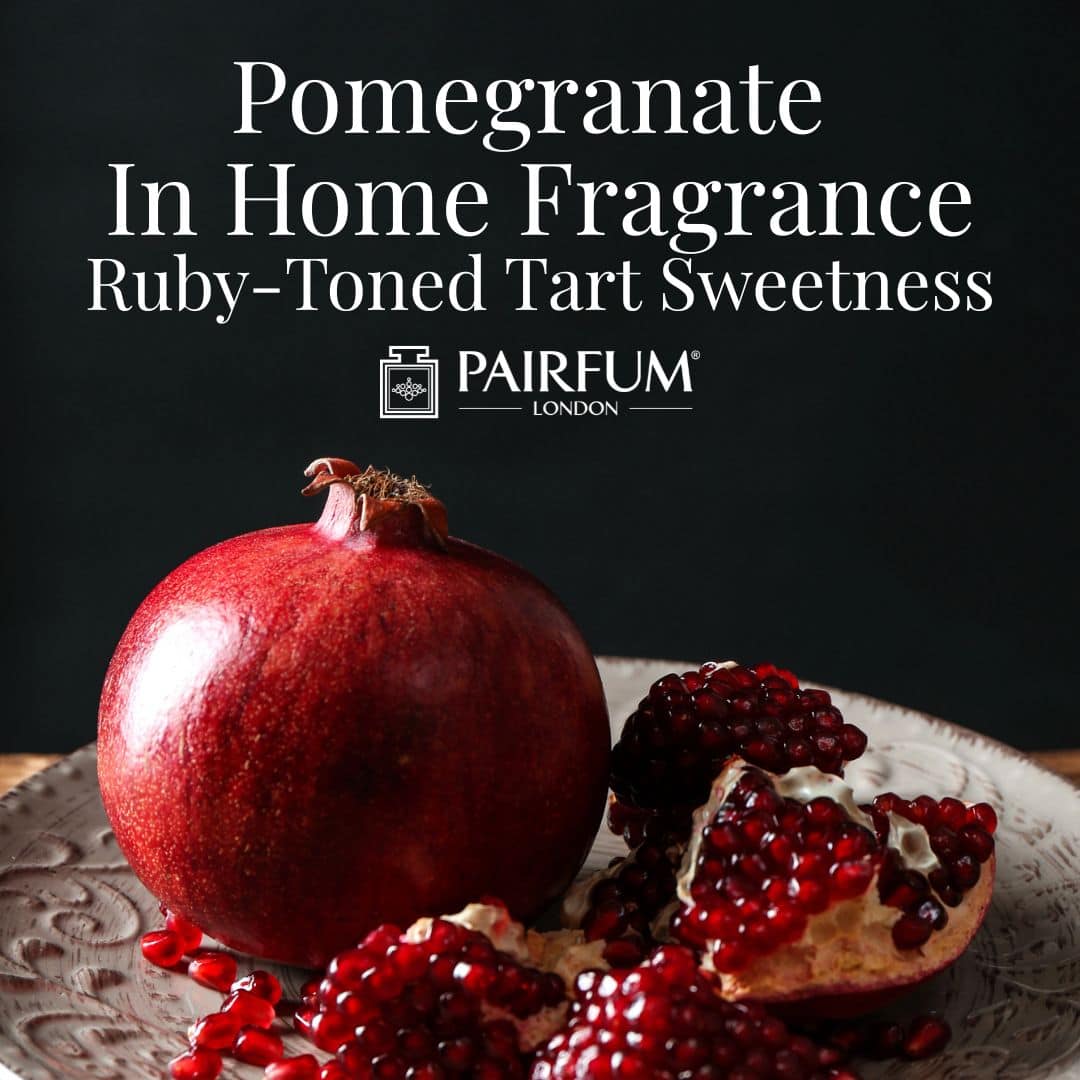
Pomegranate is a fruit that attracts attention even before you taste it. Its deep red skin, round fruit shape and clusters of juicy seeds give it a jewel-like appearance. When you open it, the bright pomegranate arils shine beneath the thick leathery skin. The scent is fresh and vivid. It combines tartness, sweetness and a gentle floral air, similar to biting into fresh fruit on a crisp day. This impression of pomegranate fruit has made it a favourite among modern perfumers.
In recent years, pomegranate has grown in popularity in niche and natural fragrances. People often look for perfumes that feel warm yet lively during the cooler months. Pomegranate offers this balance. It is never overly sweet and does not fall into citrus fruit sharpness. Its personality sits neatly between freshness and comfort, which makes it ideal for transitional seasons.
As days grow shorter, many turn to perfumes that feel padded and cosy. Pomegranate adds clarity to these deeper blends. It gives them lift without disturbing their warmth. This is one reason pomegranate works so well in autumn fragrances. It feels like breathing in cool morning air while wrapped in something soft.
A Fruit with a Long Fragrant Past
Pomegranate has travelled through centuries of history. Known botanically as punica granatum, or punica granatum l in full botanical form, it originated across Egypt, Persia and the Mediterranean. The plant grows as a small tree bearing bright blossoms that develop into pomegranates filled with juicy seeds. The granatum part of its name refers to the grain-like seed structure inside.
Across civilisations, the pomegranate tree became a symbol of life, fertility and abundance. It appears in mythology, including stories from Greek mythology, where it represents change, return and renewal. People valued the fruit not only for its flavour but also for what it symbolised.
In ancient kitchens and rituals, the pomegranate fruit was widely used. Its juice, seeds and peel were added to recipes, drinks and remedies. Many early recipes combined pomegranate juice with herbs or olive oil for sauces or salad dressings. Others used pomegranate molasses, a thick syrup made from reduced juice that adds tart depth to dishes. Even today, cooks enjoy using pomegranate in salad to add brightness and texture.
The fruit also held a place in early beauty rituals. People blended pomegranate extract, fruit juice, seed oil, and peel with oils such as olive oil to create simple balms. These preparations linked beauty with nourishment. Cleopatra is often associated with floral scents, yet fruits such as pomegranate likely surrounded her daily life.
Pomegranate’s connection with wellness is equally deep. The fruit contains antioxidants, polyphenols, vitamin C, vitamin K and folic acid. These compounds help the body handle oxidative stress and support general well-being. This is why drinking pomegranate juice continues to be popular and why pomegranate supplementation appears in modern health products. Even the pomegranate peel and certain extract forms are valued for their potential benefits.

What Pomegranate Smells Like in Perfume
Describing the aroma of pomegranate begins with tart juiciness. It has a lively snap with a soft sweetness underneath. The scent floats between fruit and floral without leaning too far into either side. It recalls fresh pomegranate, yet also hints at berries or delicate petals.
Because pressing pomegranate seeds produces juice rather than fragrance, perfumers recreate its scent using crafted notes. They may blend pomegranate extract impressions, fruit juice-inspired notes, gentle florals and subtle citrus touches. These layers mimic the airy brightness of pomegranate fruit. Sometimes, peel impressions are added for a slight grounding bitterness. Sometimes pomegranate seed oil is used for nuance, although the oil itself is mild in scent.
In perfume structures, pomegranate often acts as a top note. It opens with sparkle, then settles as deeper notes such as rose, amber or musk begin to unfold. This first impression helps balance the perfume. It keeps fruity florals from becoming too sugary and prevents woody or resinous scents from feeling heavy.
The flexibility of pomegranates makes them attractive to perfumers. A small adjustment in the extract or compounds can shift the fruit toward crispness, roundness or softness. This allows the perfumer to create a pomegranate influence that matches the intended style.
Extracting the Aroma
Since real pomegranate does not yield a perfume material through simple pressing, perfumers rely on extract blends, isolates and crafted molecules. These recreate the lively personality of pomegranate juice and the freshness of the juicy seeds. Many perfumers describe this work as building the idea of the fruit rather than lifting a direct scent from the plant.
Crafted extracts allow incredible control. A perfumer might want a sweeter red fruit impression for one fragrance or a clearer tart top for another. Peel notes, seed nuances and fruit juice tones all contribute to the final result. Even though the real fruit is difficult to extract, the impression it inspires is versatile and modern.
Famous Bouquets: Iconic Perfumes That Use Pomegranate
Many well-known perfumes use pomegranate quietly. You might not identify it immediately, yet it shapes the opening with a clean lift. When blended with rose, peony or gentle florals, pomegranate fruit impressions create a smooth transition into the heart of the fragrance. It completes the picture without demanding attention.
Some perfumes rely on pomegranate more deliberately. Heavy bases featuring oud, amber or patchouli can feel dense on their own, so perfumers may add pomegranate to introduce light. It softens the opening and helps the fragrance move naturally. The fruit creates space within the composition, making it feel more wearable.
Because pomegranate sits between fruity and floral, it works well in perfumes designed for anyone. It gives them brightness without turning sugary and adds charm without leaning too floral. This neutrality makes pomegranate a popular top note in contemporary scent design.
Seasonal perfumes also benefit from pomegranate. Late summer often blends into autumn with a distinctive mood change. People begin to prefer scents that feel warm yet still carry freshness. Pomegranate works well here. It gives perfume a gentle spark that suits cooler air without feeling cold.

Why Pomegranate Fits Autumn Fragrance
Many perfume lovers want a balance of comfort and clarity in autumn. Spices, woods and resins add warmth but can feel heavy if not balanced. Pomegranate provides lift. Wearing a perfume with pomegranate in this season can feel like stepping outside on a cool morning while wrapped in something soft and warm.
The fruit pairs beautifully with classic autumn materials, including:
• Plum for fruity depth
• Incense for smoky complexity
• Labdanum and other resins for smooth warmth
Beyond personal fragrance, home fragrance often uses pomegranate impressions. Candles, room sprays and diffusers rely on the fruit’s ability to add freshness without sharpness. It makes a room feel inviting and clean, particularly during shorter days when people want comfort.
The Lasting Glow of Tart Sweetness
Pomegranate adds liveliness to deeper scents. It became a seasonal favourite because it supports warmth rather than competing with it. It brings clarity to blends that might otherwise feel too thick. Its tart sweetness stays present beneath woods, spices and resins.
Understanding the Fruit Behind the Fragrance
To appreciate pomegranate in perfume, it helps to look at the fruit itself. A pomegranate is a round fruit with a firm peel enclosing hundreds of seeds. Each seed is surrounded by an aril filled with pomegranate juice. This structure gives the fruit its jewel-like look when opened. The juicy seeds offer a burst of tart flavour and colour.
Pomegranate trees thrive in hot, dry climates. The plant is a small tree with vivid blossoms that develop into ripened fruit. Many gardeners grow the pomegranate tree for both ornamental value and harvest. The fruit’s appearance and structure have made it memorable across cultures.
Pomegranate fruit appears in recipes from Persia, Greece, India and North Africa. It is used in sauces, stews, dressings and desserts. Many recipes call for pomegranate juice, while others rely on pomegranate molasses. The molasses gives savoury dishes depth and sweetness. Fresh fruit is popular in salad, offering colour and crunch.
Soft drinks also use pomegranate, often combining fruit juice with sparkling water or herbs. Others enjoy drinking pomegranate juice on its own. Fresh pomegranate can be added to desserts or eaten alone as a refreshing snack.
Even the pomegranate peel is useful. It contains nutrients and antioxidants and is sometimes used to make extract. Traditionally, peel was dried or boiled for remedies. Today, pomegranate peel extract appears in products where natural compounds are valued.
The Science Behind a Timeless Fruit
Pomegranate has been praised for its health benefits for thousands of years. Modern science explains some of this admiration. The fruit contains antioxidants, polyphenols, vitamin C, vitamin K and folic acid. These compounds help manage oxidative stress, support wellness and may help reduce inflammation.
Researchers study the compounds found in Punica granatum to learn more about their effects. Both the seeds and peel contain valuable nutrients. Pomegranate supplementation appears in wellness products, and extracts are used in skincare and supplements. Many value pomegranate seed oil for its gentle properties.
This scientific interest keeps pomegranates firmly in public awareness. People see the fruit as nourishing, colourful and full of vitality.

Language and History Behind the Name
The word pomegranate has roots in Old French, where it described an apple filled with seeds. Its Latin form, granatum, refers to the grain-like seeds inside the fruit. These linguistic connections highlight how much people have always been drawn to the structure of pomegranate fruit.
The fruit appears often in art, literature and religious stories. In Greek mythology, it symbolises cycles of the year. This connection enhances its status as a seasonal favourite in both food and fragrance.
From Kitchen to Perfumery: How the Fruit Inspires Scent
Most people encounter pomegranates first through food. The seeds are sprinkled over salad, blended into sauces or eaten as fresh fruit. The flavour is layered with tartness, sweetness and a gentle floral edge. These qualities inspire the work of perfumers who aim to recreate the brightness of pomegranate fruit through carefully balanced extracts.
Traditional recipes often combine pomegranate seeds with herbs and olive oil for savoury dishes. Others use pomegranate molasses to add depth. This syrup, made by reducing pomegranate juice, is valued in Middle Eastern cooking. Exclusive recipes may use pomegranate in both sweet and savoury contexts, showing the fruit’s versatility.
Pomegranate juice appears in drinks, desserts and soft drinks. Some cooks reduce fruit juice to make glazes or syrups. Many enjoy drinking pomegranate juice for its flavour and perceived benefits. Even the peel can be dried and used to create an extract. Pomegranate peel contains nutrients and has been used in remedies for centuries.
The fruit’s structure adds to its appeal. Each aril contains a burst of juice. Opening a pomegranate and releasing the juicy seeds is almost ceremonial. This sensory richness is one reason pomegranates have remained culturally important across many civilisations.
Health and Wellness
People continue to value pomegranates for their nutritional qualities. The fruit contains vitamin C, vitamin K and folic acid. It also provides antioxidants and polyphenols that help reduce oxidative stress. These compounds are studied for their roles in inflammation and general health.
Pomegranate supplementation is common in wellness circles. Extract forms of Punica granatum, including peel extract and seed extract, appear in skincare and nutritional products. Pomegranate seed oil is appreciated for its gentle properties. The research surrounding the fruit ensures ongoing interest in granatum and its potential uses.
What Modern Nutrition Research Says About Pomegranate
Modern nutrition research has taken a close look at pomegranate and found that many parts of the fruit, including the seeds, peel and juice, contain natural plant compounds. These include polyphenols, which act as antioxidants and help the body manage everyday oxidative stress. Several studies have examined how these compounds behave in the body, although most research uses concentrated forms such as peel extract or seed extract, so the findings cannot be applied directly to ordinary eating habits.
Health resources often point out that pomegranate juice provides vitamins and natural sugars and can play a part in a balanced diet. Eating the seeds also adds fibre. Verywell Health and similar sources note that whole fruit is usually the simplest way to enjoy its benefits. Most people can eat pomegranate safely, though concentrated supplements may not be suitable for everyone. As with many fruits, it is best enjoyed as part of varied, good food choices.

Connecting Back to Perfume
For perfumers, pomegranate offers clarity and charm. It opens a fragrance with a lively splash and supports the transition into deeper notes. Even when subtle, the impression of pomegranate makes a perfume feel more balanced.
A pomegranate-inspired top note can brighten florals, soften woods or bring lift to spices. It works well in gender neutral fragrances because its scent sits comfortably between fruity and floral. Its tart sweetness feels natural and modern.
Perfumers often describe pomegranate as a note that helps a perfume breathe. It adds movement. It does not overwhelm other materials but provides a gentle framework that supports the complexity beneath.
Modern Life and Cultural Presence
Today, pomegranate appears everywhere. People use fresh pomegranate in salads, desserts and savoury dishes. Fruit juice blends and soft drinks often highlight its bright colour and flavour. Cookbooks focus on recipes using pomegranate juice or pomegranate seeds to add vibrancy.
Gardening articles discuss the beauty of the pomegranate tree and how to grow Punica granatum in warm climates. Wellness writing includes related articles about antioxidants, inflammation, oxidative stress and pomegranate supplementation. Marketplaces highlight related products such as extracts, supplements or seed oils.
This broad cultural presence reflects the fruit’s long history. From old French names to ancient myths, from recipes to modern science, pomegranates continue to fascinate.
A Seasonal Symbol
The fruit is strongly linked with autumn. Its colour, flavour and texture feel perfectly suited to the time of year. When temperatures drop, people look for warmth and richness with a touch of freshness. Pomegranate provides exactly that. It brightens warm dishes and adds clarity to warm perfumes.
This connection has roots in Greek mythology, where the fruit symbolises cycles of sunlight and darkness. It marks the rhythm of seasons. When used in perfume, it brings this association with it.

Pomegranate Notes In Home Fragrance With Pairfum London
A reed diffuser can bring the same gentle lift to a room that a pomegranate brings to a perfume. The Bell Reed Diffuser fills a space with a steady flow of fragrance that feels inviting from morning to evening. Its elegant shape suits living rooms, bedrooms or hallways, and it creates a warm and welcoming atmosphere without effort. For anyone who enjoys the brightness of fruit notes or the calm of softer, deeper scents, this diffuser offers a simple way to keep a home feeling fresh and beautifully scented.
Rich Spices - Large Bell Shape Reed Diffuser by Pairfum London
This richly aromatic and captivating spicy accord commences with uplifting hints of Pomegranate and Cranberry, before gracefully flowing into a warm heart of Chestnut, Nutmeg, Cinnamon, and Clove. The scent then culminates by resting upon a luxurious base of Vanilla Pods alongside dried fruits, specifically Figs, Dates, and Persimmons.
Closing Thoughts on a Remarkable Fruit
Pomegranate is a fruit of depth and beauty. Beneath its thick leathery skin lie countless seeds filled with colour and juice. Its flavour is bright and layered. Its juice is used in cooking and soft drinks. Its peel and seeds produce extract and oils. Its antioxidants and polyphenols help manage oxidative stress and inflammation. Its nutrients, including vitamin C, vitamin K and folic acid, support well-being.
Punica granatum has played a role in myth, medicine, art, cuisine and fragrance. It appears in exclusive recipes, wellness practices and perfumery studios. Its scent inspires perfumers to create fragrances that feel lively yet warm, modern yet timeless.
In perfume, pomegranate adds brightness without sharpness and warmth without heaviness. It creates balance and movement. It fits comfortably with florals, woods and resins. Its gentle tart sweetness glows beneath richer notes.
Whether enjoyed as fresh fruit, used in a recipe, admired for its history or appreciated in a fragrance, pomegranate remains a symbol of abundance and vitality. Its presence in perfume reflects everything the fruit represents: clarity, colour and quiet confidence.
https://www.pairfum.com/pomegranate-perfumes-ruby-toned-tart-sweetness/?fsp_sid=13350
#ARTISANPERFUMERSOFLONDON #AUTUMNSCENTS #FRAGRANCELOVERS #INSTAPERFUME #LONDON #NATURALFRAGRANCE #PERFUMELOVERS #POMEGRANATE #POMEGRANATEPERFUME #SCENTEDINSPIRATION


Comments
Post a Comment