Olive in Fragrance: Mediterranean Green and Savoury Nuance
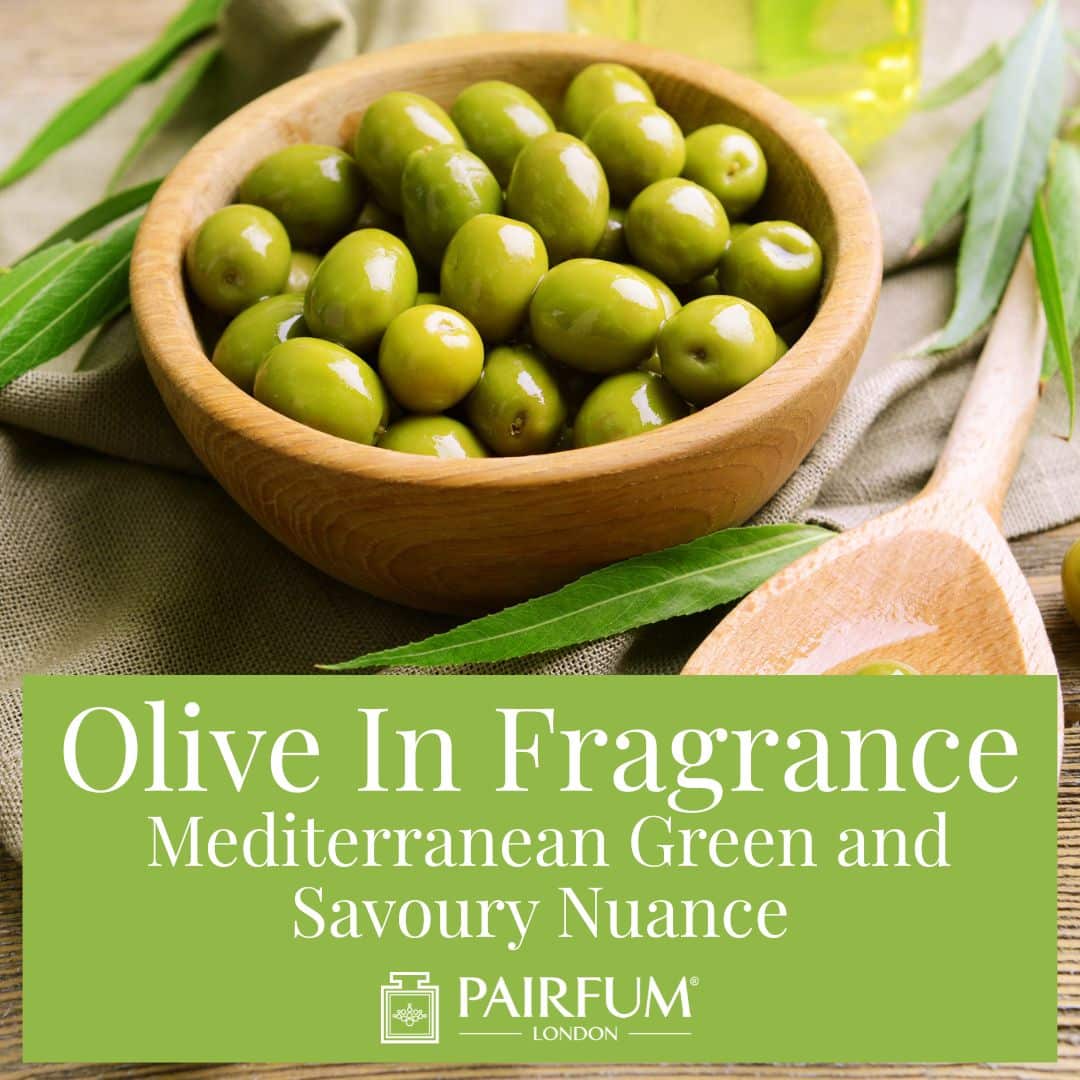
An olive is the small, oval fruit of the evergreen olive tree (Olea europaea), a staple of Mediterranean culture and cuisine, widely utilised for both table food and the production of valuable olive oil. The tree itself is highly drought-tolerant and grows globally, often symbolising peace, prosperity, and wealth. Beyond the fruit, the term "olive" can also refer to the distinct silvery-green colour of the leaves and fruit, or the darker, muted "olive drab" military shade. These fruits are commercially harvested at various stages, either green (unripe) or black (fully ripe), and meticulously preserved in brine or oil before consumption.
Olive brings something different to perfume. It is not sweet or floral, and it does not try to stand out. Instead, it gives a dry, green and savoury feeling, something quiet and grounded. For fragrances that are meant to feel fresh without being sharp, olive is a natural fit. Its calm character pairs perfectly with the cooler weather as autumn settles in.
Used with a gentle touch, the aroma of olive can make a perfume or home fragrance feel like fresh air through a window or a walk under silver green trees. This look into olive explores where these notes come from, how they are used, and why they have become a quiet favourite in many niche perfumes.
A Fragrant Piece of the Mediterranean
The olive tree has long been part of daily life across the Mediterranean. It appears on tables at meals, in regional stories and traditions, and in everyday rituals such as pressing oil. Its long history offers much more than practical use. Olive is a link to place, time and a deep sense of peace.
In fragrance, the tree brings different elements depending on the material used. The leaf is known for its dry bitterness, the fruit for muted softness and the bark for a woody, earthy touch. Each adds something unique but always keeps a natural green balance.
Using olive in perfume often means reaching for the feeling of nature and the comfort of familiar routines. Its role is to ground a fragrance, never to overpower. It delivers a calm glow and a connection to something both simple and shared.
Extracting the Aroma: How Olive Becomes a Perfume Note
To add olive into perfume blends, perfumers usually work with the leaf or the oil from the fruit. These sources bring the purest form of the olive character. Olive leaf can be processed by steam distillation or maceration. Both methods carry the soft herbal bitterness through to the final oil, letting the real green notes stay intact.
Certain perfumes use natural isolates, capturing a single aroma molecule from olive or a closely related plant. This gives control over the final blend, pulling the freshest or greenest note from the olive profile. The result is never overpowering. Olive offers a cool, dry green quality that resembles leaves crushed in the hand.
Where Olive Sits in a Fragrance
Olive fits best at the top or in the middle of a fragrance. You encounter it right at the beginning or as the perfume settles. Olive refreshes without drawing attention or adding sweetness. It lets other ingredients speak clearly.
Some combinations where olive shines include herbs such as sage or thyme, woods such as cedar or vetiver and florals such as lavender or iris. Olive can soften heavy woods or give shape to delicate bouquets.
Cool, Herbal Comfort for Early Autumn
Olive is ideal for early autumn when the air becomes cool but heavier winter spices are not yet welcome. It gives clarity and quietness. In home fragrance, olive offers freshness without sweetness, working especially well in room sprays and diffusers as days grow shorter.
A Natural Pause in the Fragrance Calendar
Olive suits quieter moments. Its green calm captures the thoughtful days before the festive season. It provides structure without weight and gently supports other notes.
Chemical Profile and Key Aroma Molecules
To understand the aroma of olive, it helps to look at the chemistry of the olive tree, known botanically as olea europaea. This plant contains natural compounds that influence both aroma and taste. One of the best known is oleuropein, which is most concentrated in the unripe olive. It contributes strong bitterness to the olive fruit before it is softened through brine, salt or water curing.
Another group of aroma contributors includes green aldehydes such as hexanal. These produce the crisp herbal scent that people recognise from tomato vines or fresh leaves. Anyone who has walked through an olive grove during an olive harvest in southern Spain will know these breezy green notes. They are also present in olive oil, especially extra virgin olive oil, which carries the most vivid aroma. Virgin olive oil also contains aromatic compounds, while refined olive oil is milder and more neutral.
The olive tree also produces natural terpenes that add subtle woodiness. These compounds appear not only in the leaves but also in the wood and fruit. Together they create the distinctive natural aroma associated with olives, the Mediterranean diet and traditional cooking with herbs, tomato and almond.
Types of Olive Raw Materials Used in Perfumery
Perfumers use several materials drawn from the olive tree and its olives. Each has a different scent profile:
Olive leaf
Olive leaf provides fresh green sharpness with hints of bitter almond and tomato plants. It works well with clean herbal or floral accords.
Olive wood
Olive wood gives a gentle, smooth warmth similar to soft cedar or plum wood. It is subtle and steady, ideal for adding structure.
Olive fruit extract
This provides soft green olive or mild black olive nuances. It is not the same as culinary preparations. It is processed for scent rather than taste.
Olive oil
Although olive oil is not typically used as a fragrance concentrate, its recognisable aroma is influential. Extra virgin olive oil has fruity and grassy brightness, virgin olive oil is softer and pure olive oil carries a mild natural scent that can be useful in small quantities in at-home creations.
Olive blossom
The tiny white flowers of the olive tree offer a faint jasmine-like sweetness. While not commonly available, they provide charm and delicacy when used.

Regional Varietals and Their Scent Differences
Olive trees grow widely across Mediterranean countries, and different varieties give different aromas.
Greek olives often produce a fresh green olive character with herbal clarity. Italian olives, especially from southern regions, are sometimes fuller and fruitier with soft almond or plum nuances. Olives from southern Spain often have a gentle earthy depth shaped by warm climate and mineral-rich soil. Olives from North Africa can feel savoury, with a natural hint of brine that reflects coastal influences.
The wild olive is sharper and more aromatic, often used when perfumers want a vivid green tone.
These regional nuances appear not only in the fruit but also in olive oil and olive leaf extracts. People familiar with the flavour of olives served with anchovies, herbs or butter may notice faint echoes of these impressions in fragrance, though perfume is never intended to taste like cooking ingredients. These references simply help build associations that enrich the imagination.
Sourcing, Sustainability and Traceability
The olive tree has been cultivated for centuries, and sustainable farming matters for fragrance materials. Many growers follow guidelines established by the International Olive Council to ensure that olives are grown responsibly and with respect for land and water. Since aroma content is influenced by soil quality, climate and farming methods, good stewardship is essential.
Traceability also matters because different varieties and locations produce different scent qualities. Sustainable growers protect soil, limit water waste and encourage biodiversity by allowing wild flowers to grow between trees. A well-managed olive grove supports insects and wildlife, and this balance increases the overall health of the trees.
The timing of the olive harvest influences aroma. Early olives retain greener tones. Riper fruit carries softer, more rounded notes. For perfumers, this difference is significant because it helps shape the final character.
DIY and At-Home Blending Guidelines
Olive-inspired materials allow beginners to experiment with natural aroma blending at home. Olive leaf tinctures or infusions can be found in some specialist shops. A simple home fragrance blend might combine olive leaf infusion with lavender water and a light citrus note.
Some people enjoy using extra virgin olive oil or virgin olive oil as a carrier oil. While these already have their own scent, they can still support small amounts of herbal or floral essential oils. If a milder carrier is preferred, refined olive oil may be suitable.
Beginners can follow a few useful guidelines:
Start small. Use tiny amounts of extracts until you understand the scent strength.
Combine olive leaf with herbs or flowers for balance.
Keep notes, as if following a small school experiment, to record proportions and how the scent develops.
Blend with cooled boiled water for gentle room sprays.
Home Fragrance Formulation Advice
Olive works beautifully in home fragrance because it creates a calm and natural feeling. In candles, the soft green presence of olive leaf or olive fruit can be uplifted with herbs such as rosemary or sage. Vegetable waxes often suit this type of composition because they support herbal notes without adding sweetness.
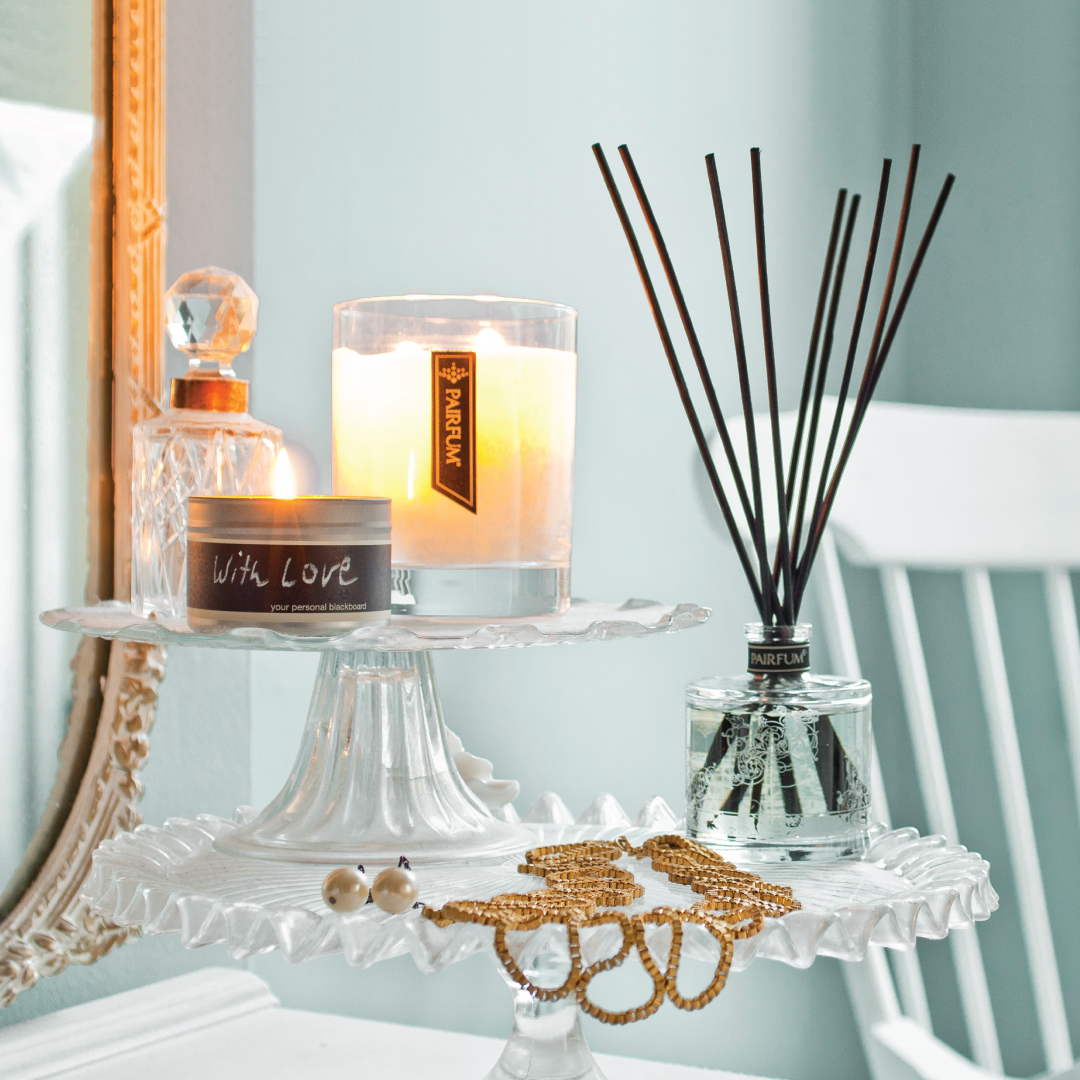
For reed diffusers, olive accords remain gentle but steady. A diffuser blend with olive leaf and light woody tones can create an atmosphere that feels relaxed and clean. During summer, olive combined with citrus can brighten the room. In cooler seasons, a deeper black olive styled nuance paired with cedarwood can produce warmth.
If creating room sprays, test each blend to observe how the fragrance behaves in water. Some materials float while others dissolve more evenly. Writing notes helps build confidence and encourages thoughtful experimentation.

FAQs About Olive in Fragrance
What does olive smell like in perfume?
Olive has a soft green aroma with herbal dryness. It does not smell exactly like olives in brine. Instead, it creates a sense of leaves, earth and gentle freshness.
Is olive oil used in perfumes?
Olive oil is not typically used as a main fragrance concentrate, but the aroma of extra virgin olive oil and virgin olive oil influences olive-inspired accords. Pure olive oil has a mild scent, and refined olive oil is gentle, so these may appear in small roles in simple at-home blends rather than commercial perfumes.
Why do perfumers choose olive?
Olive provides balance. Many green notes are sharp, but olive is smoother. It supports a blend instead of dominating it.
Is olive a fruit or a vegetable?
An olive is a fruit. If listed in a dictionary, it would appear as a noun with roots in Middle English, which in turn derives from the Latin oliva.
Does olive work in summer scents?
Yes. Olive is light and airy, and when combined with citrus it creates a refreshing summer character.
Does olive blossom smell like olive oil?
No, olive blossom is soft and floral. It has a whisper of sweetness rather than the fruity green tones associated with olive oil.
Cultural Significance, Symbolism and Memory
The olive tree has shaped life across the Mediterranean region. The olive branch symbolises peace. The wreath made from its leaves was once used to honour achievement. Many Mediterranean countries have stories that celebrate the endurance of ancient olive trees.
Because the tree is long-lived and often treated with respect, its presence evokes calm reflection. This influences how we perceive the aroma. Olive in fragrance often feels peaceful because it carries the quiet dignity of the olive grove. The colour of the silver leaves, the flowers that appear in spring and the changing shape of the olives as they ripen link the plant to seasonal rhythms.
People also connect olive aromas with food memories. The flavour of olives in salad dishes, or their taste when served with anchovies and herbs, reminds people of coastal cooking. The touch of salt found in olives cured in brine also influences imagination. Even though perfume is not food, these links help the mind form gentle associations. Someone may smell an olive note and recall the warmth of southern Spain or small restaurants near the sea where olives are served before a meal.
Aroma Performance and Blending Techniques
Olive is generally used as a top or heart note. It appears early and then softens. This makes it ideal for compositions that aim for freshness without sharpness. Olive leaf blends well with light flowers and herbs. Olive wood blends well with cedar or vetiver. Olive fruit extracts work when softness is required.
A perfumer may build a summer perfume using citrus, light herbs and a faint green olive suggestion to bring calmness. For autumn, the perfumer may pair olive with soft spices to ease the transition into cooler days. Olive also works well in minimalist fragrances where the goal is clarity and natural elegance.
Modern Appeal of Olive in Niche Fragrance
Olive has become more visible because people gravitate toward natural and subtle scents. Modern fragrance lovers often appreciate materials that feel grounded. Olive fits comfortably within this movement. It reminds people of nature, simple rituals and the gentle rhythm of daily life.
Olive also suits contemporary interior styles where clean lines and soft colours dominate. An olive-inspired room fragrance brings quiet freshness without sweetness. It feels appropriate for those who prefer balance rather than intensity.

An Olive Home Fragrance by Pairfum London
Neroli & Olive - Large Bell Shape Reed Diffuser by Pairfum London
Capturing the Spirit of the Mediterranean: this elegant blend opens with lively touches of Neroli, Pomelo, Lime and Petitgrain. Notes of Jasmine petals, Vetiver, Patchouli and weathered leather add richness and depth, evoking the impression of strolling through an olive grove on a sunlit day.
Final Thoughts:
Olive is a note that reveals its beauty slowly. It carries the long history of the Mediterranean region, the culture of the olive tree and the memories of food, water, sun and shared meals. In fragrance, it offers freshness, softness and a sense of place.
The aroma of olive has depth without heaviness. It adapts to many styles and works in perfumes and home fragrances across the seasons. Whether reminding someone of the taste of olives on a warm day, the scent of extra virgin olive oil on a dish of tomato or the sight of an olive branch moving in the wind, olive brings natural peace. Its benefits lie in its ability to calm, support and connect fragrance with nature in a way that feels honest and timeless.
https://www.pairfum.com/olive-perfumery-mediterranean-green-savory-nuance/?fsp_sid=13098
#ARTISANPERFUMERSOFLONDON #FRAGRANCE #FRAGRANCELOVERS #GREENNOTES #LONDON #MEDITERRANEANSCENT #NICHE #NICHEPERFUME #OLIVEFRAGRANCE #PERFUME #PERFUMELOVERS #PERFUMERSOFINSTAGRAM


Comments
Post a Comment