Cognac in Fragrance: Boozy Warmth and Fruity Depth
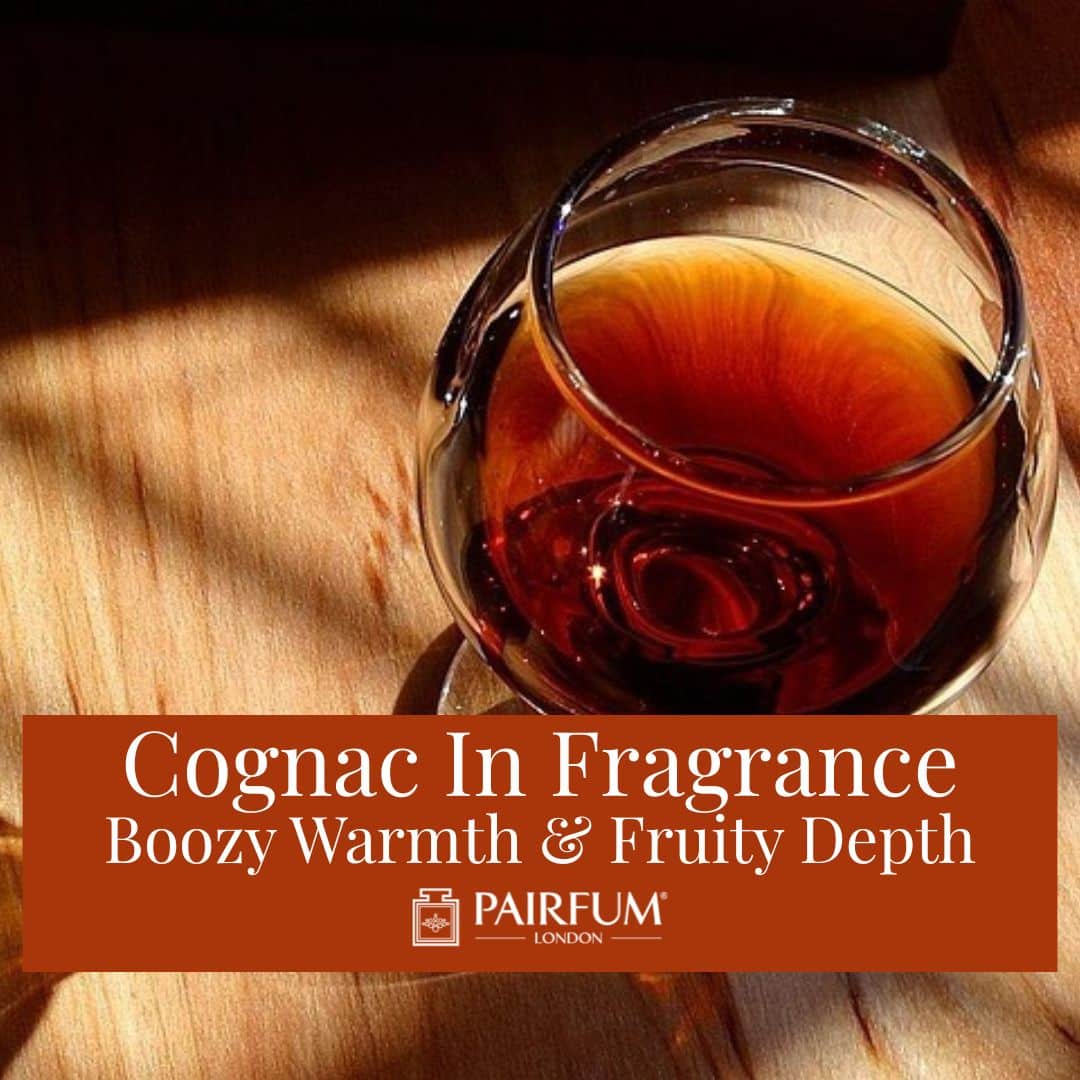
Cognac is a prestigious and protected variety of brandy produced exclusively within the Cognac region of France under strict, centuries-old regulations. This spirit is distilled twice in traditional copper pot stills from specific white grapes, predominantly Ugni Blanc, before being aged in French oak casks for a minimum of two years. The resulting spirit offers complex and smooth flavours that range from light floral and fruity notes to rich, spiced, and woody profiles.
There is something about Cognac in a perfume that stops you. It feels warm and familiar, like a subtle touch of something smooth and rich drifting through the air. With its deep fruitiness and soft boozy character, Cognac brings comfort and elegance to cold-weather perfumes. It fits perfectly in winter, when we reach for fragrances that feel a bit heavier, rounder, and made for the indoors.
You will often find it in natural or niche perfumes, where its richness can develop gently over time. Rather than shouting, it hums in the background, adding warmth and depth to everything around it. For perfumers and fragrance lovers alike, Cognac has become a go-to ingredient for creating a sense of calm, luxury, and slow, quiet evenings. This fine cognac essence is more than a scent. It is an atmosphere of refined relaxation.
Aromatic Origins: How Cognac Found Its Way into Perfume
Cognac begins its life in the vineyards of western France, specifically within the famous Cognac region. It is made from a specific white grape selection, primarily the Ugni Blanc variety. These grapes are fermented into a wine that is then distilled into a clear spirit and aged in oak barrels. This ageing process in a wooden cask brings out the nutty, woody, and fruity notes that Cognac is known for. What perfumers use, though, isn’t the drink itself but an extract drawn from the distillation residue or created through other aromatic means.
In perfume, what we call Cognac usually refers to either an oil or a recreated aroma that carries the spirit’s signature warmth. It is not about the drink one might pour but about the feeling it creates, such as the mood of a glass in hand by a fire, or a dark room lit by candles. Because of this, it is naturally linked to comfort, richness, and tradition, which is why so many winter perfumes use it to build that feeling. While it is a type of brandy, it is held to a much higher standard of production than your average brandy bottle. To be legally called Cognac, the spirit must be produced in Cognac France, under strict Appellation d'Origine Contrôlée (AOC) regulations.
Historically, boozy notes like Cognac were used to suggest wealth and celebration. They reminded people of old libraries, soft leather chairs, and well-stocked cabinets. Today, they still carry some of that atmosphere, but they are also used in a more modern way, blending with other ingredients for something fresh yet familiar. Whether it is a VS Cognac or a rare Extra Cognac, the influence on the nose is undeniable.
The Terroir: Crus and Grapes
To truly discover cognac, one must understand the land. The production area is divided into six zones, or crus, each defined by its unique soil composition. The most prestigious is Grande Champagne, known for producing spirits with great length and elegance due to its high chalk content. A Grande Champagne Cognac often requires much longer ageing to reach its peak. Next is Petite Champagne, and when these two are blended with at least 50% from the former, it is called a Fine Champagne Cognac.
The Ugni Blanc grape is the backbone of the industry, making up about 98% of the vines in the region. However, other grape varieties like Meslier St François are also permitted, though they are much rarer now. The soil in these areas, particularly the chalky ground of Grande Champagne, gives the wine a high acidity and low alcohol content that is ideal for distillation. Even the Bons Bois region, which features more clay-based soils, contributes its own unique, faster ageing character to the final brandy blends.
The Craft of the Cognac House
Every famous Cognac house follows strict traditions to maintain its signature flavour. The process involves double distillation in traditional copper pot stills, specifically the Charentais style still. This method concentrates the fruit and floral notes of the base wine. After the spirit is made, it must age. As the Cognac matures, it interacts with the oak of the cask, absorbing tannins and developing a golden hue. By law, this oak must come from the Limousin or Tronçais forests.
Different ages are denoted by specific labels. The youngest brandy in a blend determines its category:
- VS Cognac (Very Special): Aged for at least two years.
- VSOP Cognac (Very Superior Old Pale): Aged for at least four years.
- XO Cognac (Extra Old): Aged for at least ten years.
- XXO Cognac: A newer category for spirits aged fourteen years or more.
- Hors d'age: This term means "beyond age" and is used for very high-quality spirits that exceed the official age scales.
Luxury bottles like Hennessy XO, Rémy Martin XO, and Courvoisier XO are world-renowned for their complexity. For the ultimate pinnacle of the craft, one might look to Louis XIII, a spectacular Louis XIII Cognac blend that represents generations of work.
The Fragrance Profile: What Cognac Really Smells Like
The aroma of Cognac in perfume is often warm and rounded. You will notice a whisper of aged wood, mixed in with baked fruits, faint vanilla, and just a trace of spice. It does not smell like alcohol, but the idea is still there, a nod to smooth drinks and slow evenings. The flavour profile is sophisticated and layered.
Depending on how it is blended, Cognac can smell:
- Fruity, like dried grapes, plum, or apple.
- Woody, thanks to the oak barrels in which it ages.
- Sweet, in a soft, baked kind of way.
- Warm, with amber-like tones underneath.
These features give depth to cold-weather perfumes, making them feel cosy and full. It works beautifully with other rich ingredients but never fights for attention. Used in the right amount, Cognac balances out sharp spices or lifts dense woods, building a full, steady foundation that carries the perfume forward. It provides a Dry XO quality that is both crisp and deep.
Extraction Methods and Perfume Applications
Getting the Cognac aroma into a perfume is a careful process. Natural versions come from the distillation leftovers of actual Cognac production, which are refined into oils. These carry the true character of aged spirit and are used in small amounts due to their strong perfume. In some cases, a Delamain Pale style extraction is used to keep the scent lighter and more floral.
In many modern perfumes, especially niche blends, perfumers might also use aroma molecules built to match or evoke the essence of Cognac. This allows more control over its strength and how it reacts with other ingredients. Either way, whether you are working with natural oil or a creative version, the goal is the same: to get that smooth, warm feel into the bouquet.
Cognac is rarely used at the very top of a fragrance. Instead, it often sits in the middle or base, where it can stretch out its warmth and support the other notes layered above it. From natural to niche perfumes, it quietly builds atmosphere without taking over. Whether inspired by a Courvoisier VS, a Courvoisier VSOP, or a Hennessy VS Cognac, the effect is always one of high class.
Blending and Pairing: Notes That Work with Cognac
As a perfume note, Cognac feels welcoming and mellow. It plays particularly well with other warm, rich, or sweet aromas. When styling a fragrance for the cooler months, this is one of those pieces that brings everything together. It shares the same DNA as a high-quality brandy but with a more floral, elevated finish.
Some of the notes commonly blended with Cognac include:
- Tobacco and leather, for depth and boldness.
- Amber, vanilla, and tonka bean, for soft sweetness.
- Plum, black cherry, or fig, to echo its fruitiness.
- Spices like clove or cinnamon can bring out warmth.
- Dark woods like cedar or patchouli, to ground the aroma.
Used like this, Cognac helps shape woody or gourmand perfumes, giving them a richer, fuller body. It works just as well in home fragrances, lending a calm, layered finish suited to winter nights. Some perfumers even try to capture the effervescence found in cocktails, perhaps nodding to the mix of Cognac and ginger ale.
Fragrance Inspirations and Classifications
When we look at the world of spirits, brands like Hennessy VS, Rémy Martin, and Courvoisier VS have defined what we expect from this grape-based treasure. In perfumery, we seek to replicate the Hors d'age quality, where the spirit has spent decades in wood. This character is the holy grail for a perfumer, offering a scent that is both ancient and fresh.
The presence of Champagne Cognac notes in a bottle brings an immediate sense of prestige. Whether the inspiration is a VSOP Cognac or an XO Cognac, the depth provided by the distillation of wine is unmistakable. The aroma profile of a brandy is often simpler, whereas Cognac offers a symphony of fruit and spice.
Iconic Cognac Perfumes
- Kilian Paris – Angels' Share A tribute to the Hennessy heritage, this scent features cognac oil, oak absolute, and cinnamon to recreate the aroma of spirits evaporating in oak barrels.
- Frapin – 1270 Named after the year the Frapin family settled in the Cognac region, this perfume uses notes of candied orange, raisins, and nuts to mirror the complexity of a fine aged spirit.
- Roja Parfums – Enigma Pour Homme Often described as a "cognac and tobacco" masterpiece, this fragrance blends boozy notes with ginger and vanilla to evoke the atmosphere of an exclusive private members' club.

Inspiring Cognac Home Fragrance by Pairfum London
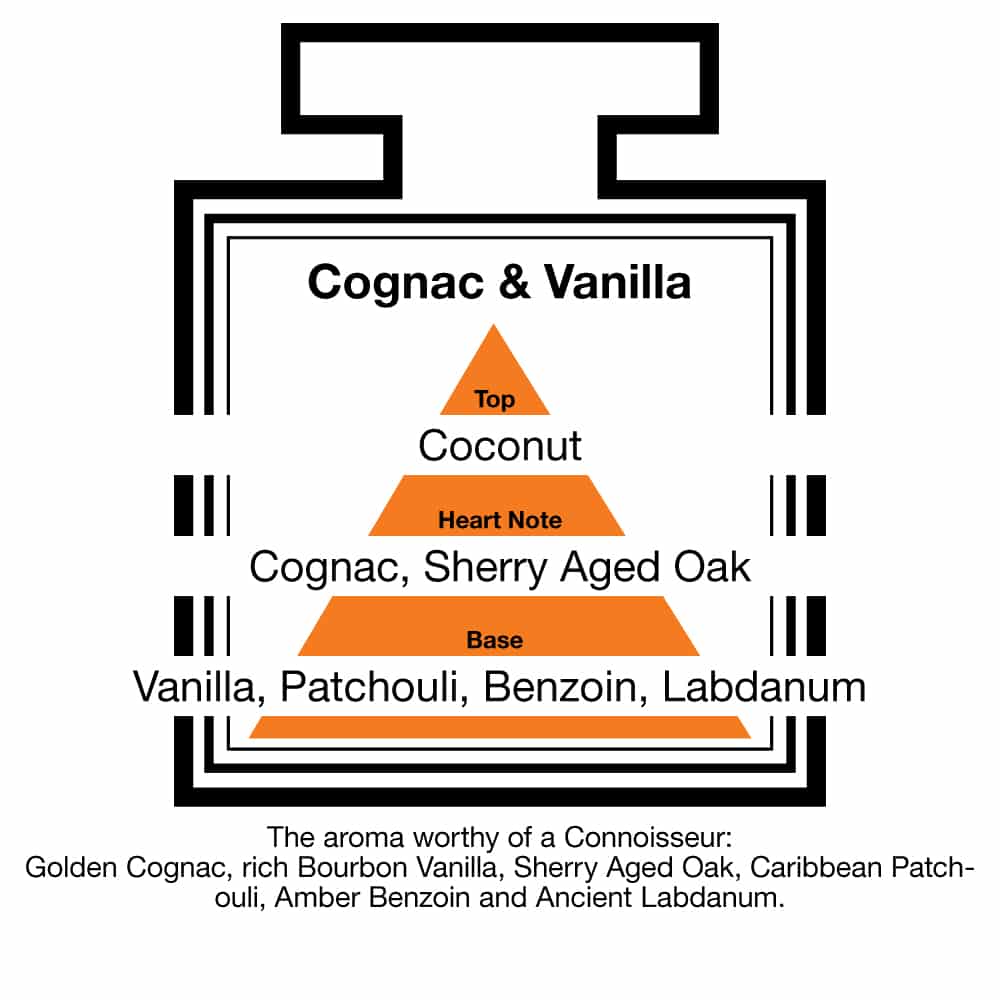
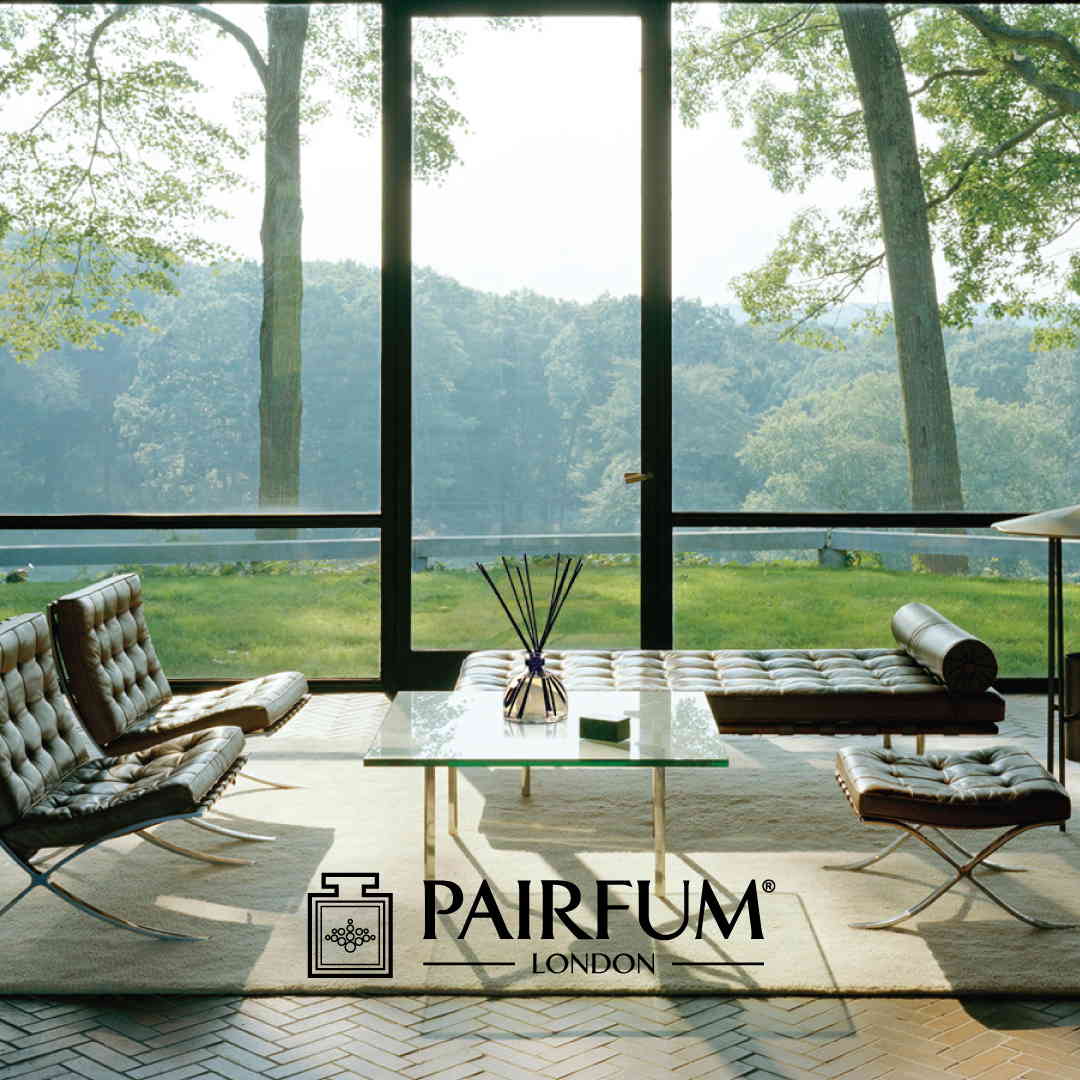
To bring the sophisticated, boozy warmth of Cognac into your home, the Reed Diffuser Tower Classic with our 'Cognac & Vanilla' fragrance is the perfect choice. This artisan-crafted diffuser acts as an 'Eau de Parfum' for your room, using a natural, non-VOC oil serum that is healthy for your family and the environment. As the scent unfolds through the natural rattan reeds, the rich, fruity depth is beautifully balanced by the creamy sweetness of Vanilla, creating a luxurious and welcoming atmosphere. It is the ideal way to enjoy the timeless elegance and comforting glow of Cognac-infused fragrances throughout the colder months.
Cognac & Vanilla - Classic Tower Reed Diffuser by Pairfum London
The aroma of a worthy Connoisseur: Sherry Aged Oak, Rich Bourbon Vanilla, Golden Cognac, Caribbean Patchouli, Amber Benzoin and Ancient Labdanum.
A Toast to Warmth and Richness in Fragrance
Cognac might come from a bottle, but in perfume it becomes something softer that lingers. Its fruity sweetness and slow warmth are part of what makes it feel almost timeless. The brandy heritage is clear, but the execution is far more delicate. In the winter months, the spirit of the vine remains a gift for the senses.
https://www.pairfum.com/cognac-in-fragrance-boozy-warmth-fruity-depth/?fsp_sid=14547
#ARTISANPERFUMERSOFLONDON #FRAGRANCE #INSTAPERFUME #LONDON #LOVE #NATURAL #NICHE #PERFUME #PERFUMELOVERS #SCENT


Comments
Post a Comment