Frankincense In Perfumery: Sacred Smoke & Citrusy Resin
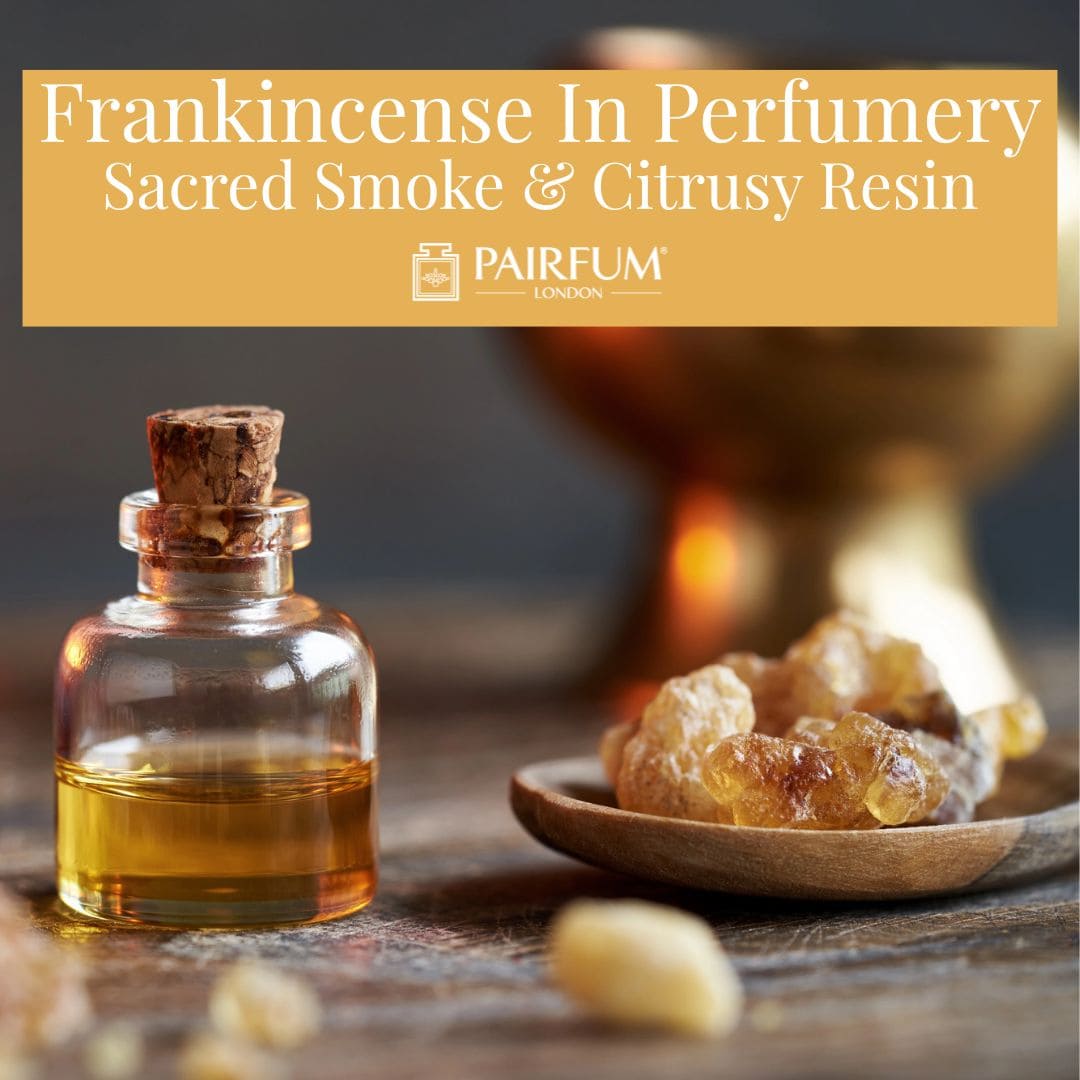
Frankincense is a fragrant aromatic resin harvested from Boswellia trees. It has long been used in quality incense, perfume, and traditional medicine due to its distinctively woody and spicy scent. Today, it remains widely popular in aromatherapy and skincare. Its essential oil is highly valued for its calming and anti-inflammatory properties, which often help to rejuvenate the skin by reducing the appearance of fine lines and scars while also promoting deep relaxation.
For hundreds of years, frankincense has stayed a firm favourite within the world of fragrance. It is quite easy to see why. The unique aroma of this material pulls together a smoky warmth and bright, lemony notes. It feels grounding yet somehow uplifting at the very same time. There is a real sense of peace about it. This makes the scent a perfect choice for various perfume blends, particularly when the days turn cold during winter.
The story of this ingredient goes back a long way. It is tied to ancient trade, old rituals, and human spirituality. Today, we know how to pull out its rich character without letting it overwhelm a scent. It is now a staple in many niche perfumes. This is not just because of the smell. It is about how it makes you feel. On the skin, it stays soft and quiet. It fills the room around you without ever shouting for attention. When it touches your skin, it provides a gentle, steady presence.
A Fragrant Past: Where Frankincense Began
People have valued frankincense for many thousands of years. Long before modern perfume existed, people across ancient lands were using it daily. Merchants moved the resin across vast deserts and over deep seas. It was a primary feature during religious ceremonies held in temples or quiet homes. In those places, the aroma was the heartbeat of sacred rituals. Known by the common name of incense, it acted as a link between the physical world and the spirit. The name itself comes from the Old French phrase "franc encens," which means true incense.
In places like Egypt, Mesopotamia, and India, frankincense was far more than just a nice smell. People treated it as something holy. You can find it in ancient stone carvings and old writings. The Egyptians even used the resin during mummification to cleanse the body. The thick smoke from spiritual ceremonies helped people clear their minds for prayer. This is likely why frankincense still appeals to anyone seeking a sense of calm. Within traditional medicine, it is called rǔ xiāng. It is prized for its power to get stagnant energy moving again.
As time passed, the use of fragrance moved into our daily routines. The role of the resin shifted. It moved from the temple to the perfume bottle. It became a part of lovely aromatic blends for the skin and the home. For over 5,000 years, people traded the gum resin on the Arabian Peninsula. It even travelled the Silk Road to reach China. This aromatic gum resin has a legacy of luxury that few other things can match.
What Frankincense Really Smells Like
The scent of frankincense is full of contrast. It is deep and rich, but it also has a surprising freshness. At first, you might notice citrus in the top notes, like lemon zest. A warm, woody smell follows quickly. It reminds one of dry bark and light smoke. Science tells us this scent comes from monoterpenes and sesquiterpenes. These give the resin its pine and lemon character.
Underneath it all sits a balsamic sweetness. It is smooth and gives a fragrance real body. On a freezing day, it feels like a warm scarf. It stays very close to the skin. It is comforting but never heavy. If you have sensitive skin, the mild nature of a properly diluted pure essential oil is often very welcome.
In perfumery, frankincense is excellent at balancing other things. If a perfume is too spicy or too floral, this ingredient can settle it down. It stops a scent from feeling too sharp. It adds a cool, quiet echo to the mix. It can lift up bright notes or ground the heavy ones. The resin also helps the perfume stay on your skin for much longer.
The Botany of the Boswellia Species
To understand this resin, we have to look at the Boswellia species that produce it. The frankincense tree is a survivor. It belongs to the Burseraceae family. We get these oils from trees that grow in very dry, rocky places with almost no soil. Boswellia carterii and Boswellia sacra are the two most famous types.
You find Boswellia sacra mostly on the Arabian Peninsula, in Oman or Yemen. However, Boswellia carterii is found more in East Africa. Another type is Boswellia frereana. This one grows in North Africa and Somalia. It makes a resin that is often used for top quality incense because it forms large tears. In India, they use Boswellia serrata. This is a major source for traditional medicine and is used as a natural remedy.
Each Boswellia tree creates a slightly different gum resin. This depends on the local soil and the weather. The resin contains boswellic acid, which researchers study for health reasons. It is worth noting that boswellic acid is usually too heavy to stay in a steam-distilled essential oil. If someone wants the acid, they usually look for a frankincense extract instead of the essential oil.
From Tree to Bottle: How Frankincense Is Made
Frankincense starts its life as part of a tree. It comes from the Boswellia genus found in hot, dry regions. You will see them in Oman, Somalia, and India. These trees are quite small but very tough. They have gnarled trunks that survive the burning sun. They start to make resin when they are about eight or ten years old.
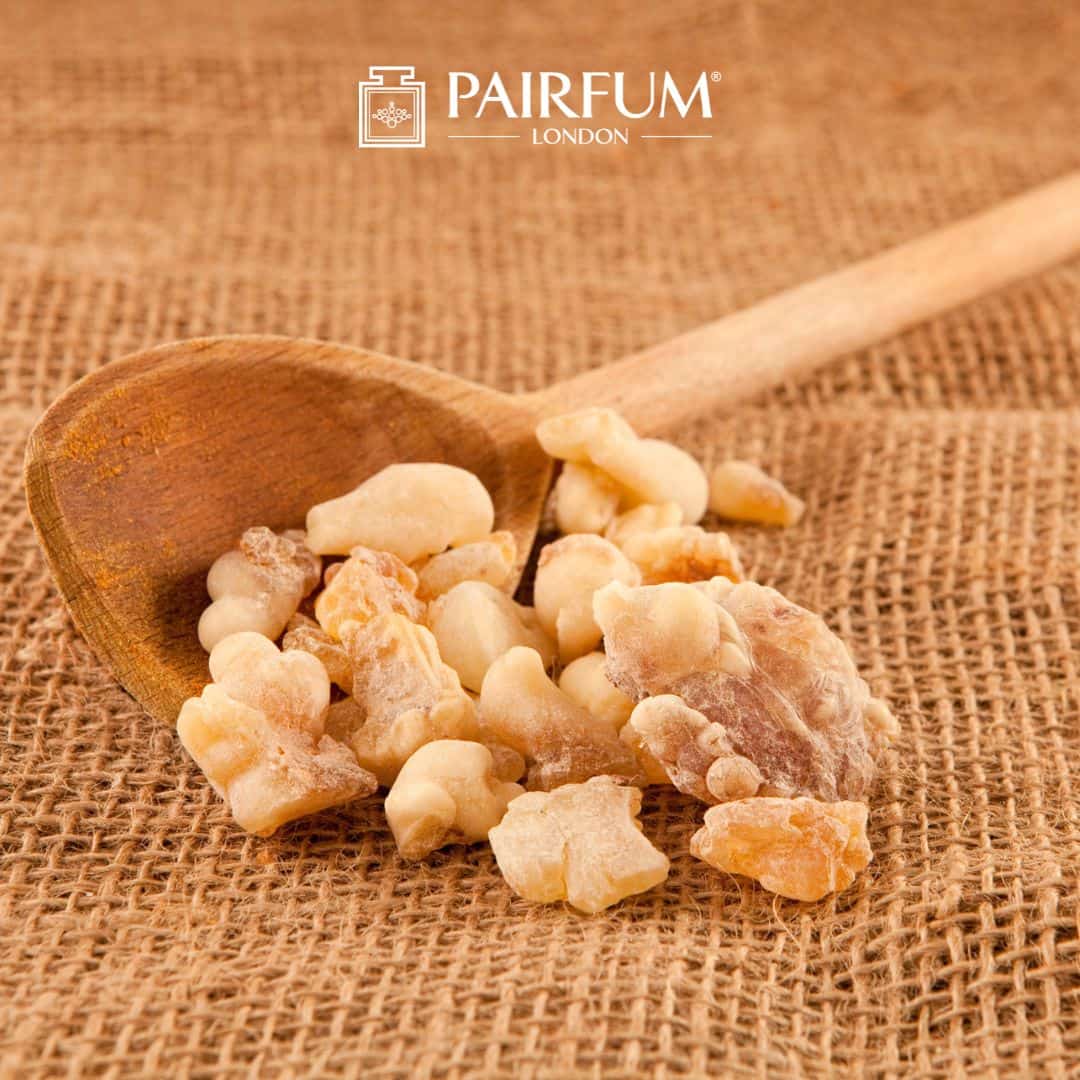
Harvesters make small cuts in the tree bark to collect it. A thick juice comes out and turns hard when it hits the air. We call these drops tears. Once they are dry, they are gathered. This frankincense resin is either crushed for incense sticks or turned into a frankincense essential oil. They usually tap the trees two or three times every year. The last harvest is often the best. It has the strongest scent.
A natural extraction process keeps the earthy and floral notes intact. This is why frankincense essential oil is so popular in niche perfumery. Finding a trusted source for organic essential oils is the best way to ensure the quality is high. If the real thing is not available, perfumers use recreated versions. These allow for more creativity in blends. Both the resin and the oils help us connect with the spirit of the frankincense tree.
Therapeutic Uses: Aromatherapy and Beyond
Outside of the perfume world, frankincense oil is a major part of aromatherapy. Many people use essential oils to help their mental health or to relax. Inhaling the scent can actually lower your heart rate. It brings a feeling of calm. When used for meditation, the smell of burning incense or a diffusing frankincense essential oil helps you breathe deeply. It quiets a busy mind.
Scientists are very interested in Boswellia serrata because of its anti inflammatory properties. The boswellic acid in the resin is often used to help with inflammation. This is especially true for joint pain or gut issues. People with mature skin often find that frankincense oil mixed with carrier oils is very soothing. Because it helps with inflammation, it is a popular addition to skincare. It helps the skin look clear and fresh.
Remember that a pure essential oil is very strong. You must always mix it with carrier oils like almond or jojoba before it touches your skin. This prevents any irritation. If you are pregnant, talk to a doctor before using the resin. Using frankincense as an essential oil can be a great addition to your daily health habits.
Blending with Elegance: How Perfumers Use Frankincense
In the world of perfume, frankincense is a foundation that pulls everything together. It works in the background but changes the whole feeling. It can lift the top notes or add warmth to the base. It gives a fragrance its structure.
Certain scents work very well with frankincense:
- Myrrh and labdanum provide extra warmth
- Citrus oils like bergamot make the mix feel brighter
- Spices like black pepper or clove give it a winter feel
- Woods like cedar or sandalwood match its earthy tone
Most perfumers use frankincense as a base note. If used correctly, it can also make the top of a scent feel lighter. In natural perfumes, this balance is what makes it special. It creates space between the different ingredients. This lets you notice every part of the scent.
You will often see incense in winter perfume collections. It might be part of a festive mix or a scent for meditation. It works well with flowers and woods. This makes it very useful for perfumes sold in the United Kingdom. Whether you prefer frankincense essential oil or the raw resin, the result is always very elegant.
Famous Frankincense Fragrances
Avignon by Comme des Garçons is a classic. It smells like the cold, smoky air of an old cathedral. It focuses on the religious history of the resin.
Portrait of a Lady by Frédéric Malle is very sophisticated. Here, frankincense acts as a dark anchor for rose and patchouli. It feels wonderful when worn on the skin.
Cardinal by James Heeley is light and very clean. It highlights the citrus side of the resin for a modern finish.

A Frankincense Base in Pairfum London Home Fragrance
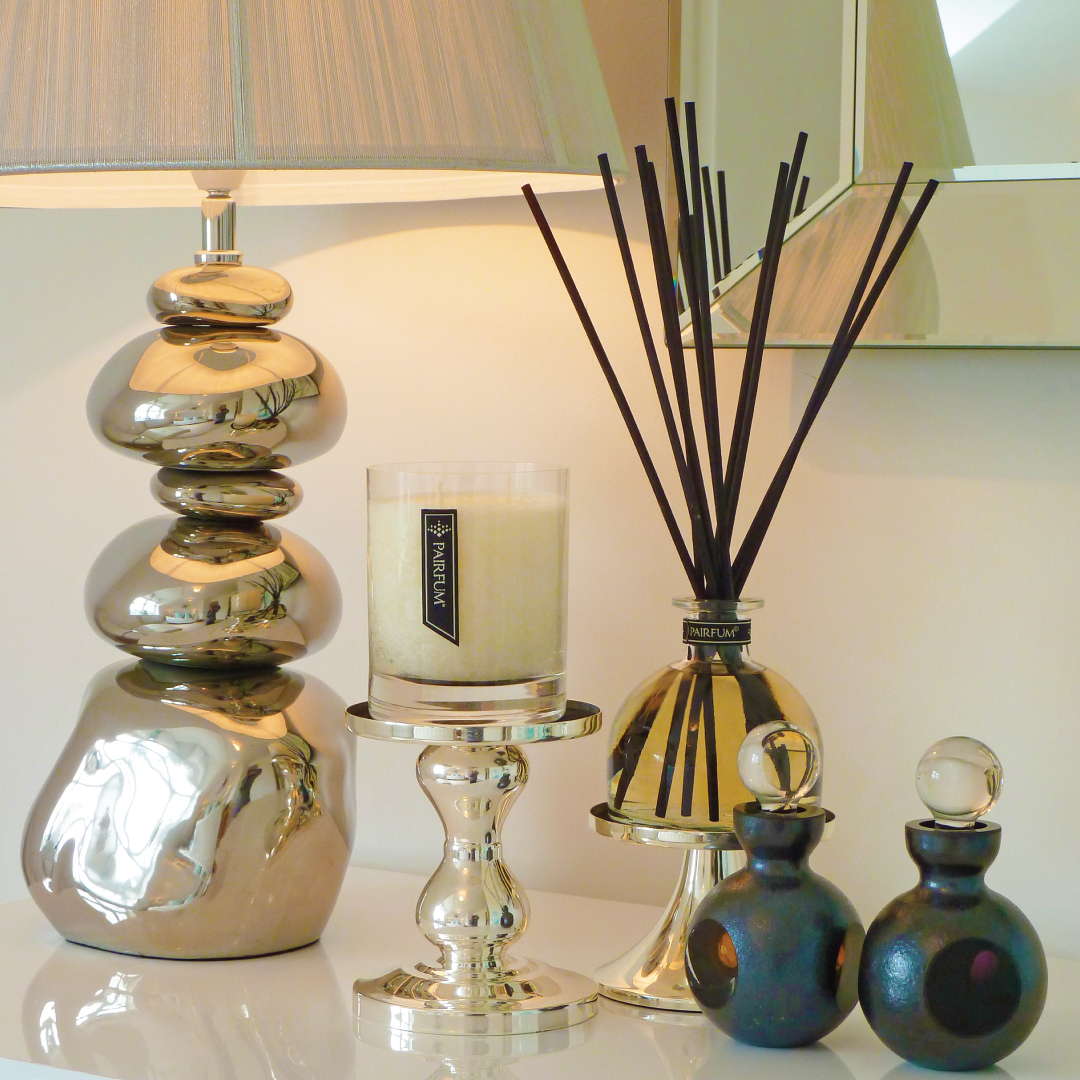
If you want the calming scent of frankincense in your home, our Large Bell-Shaped Reed Diffuser is a great choice. It is an artisan piece that releases its scent slowly and steadily. Because of its size, the resinous scent can fill a large room with clarity. It is a timeless way to make any room feel like a place for rest. It lets the beauty of natural scents grow throughout the day.
Cedar Noir: Large Bell Shape Reed Diffuser by Pairfum London
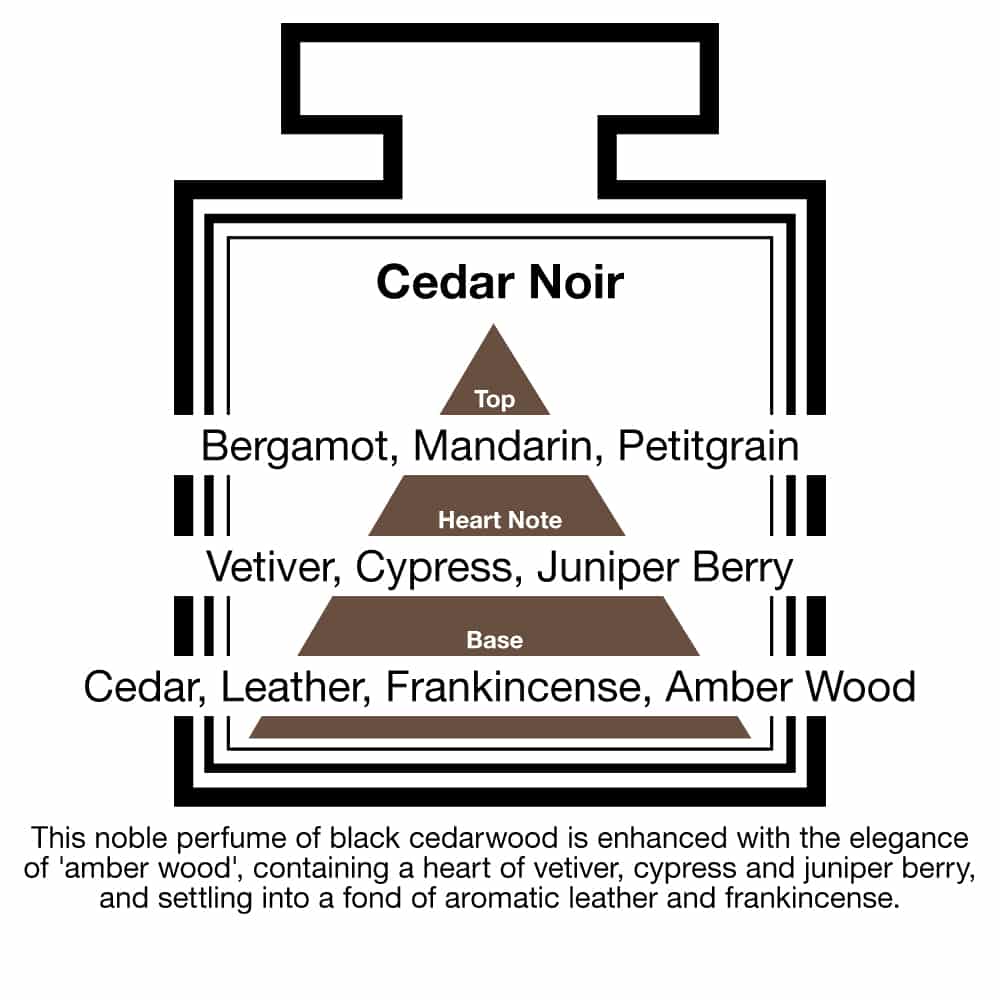
This perfume uses Black Cedarwood and Amber Wood. The heart has Vetiver and Juniper Berry. The base is rich with Leather and frankincense. It is one of our best related products for the winter months.
The Glow of Resin in Winter Perfume
Frankincense adds something unique to a perfume. It gives warmth without being too heavy. It is bright but not sharp. Because it has such a long history, the smell feels familiar. Every new perfume finds a different way to use it. Whether you want a balm for your skin or a new scent, this resin is always easy to spot.
It has a steady way of setting the mood. It keeps the other ingredients stable in a perfume. That grounded feeling is why people love it every winter.
Even as the seasons change, frankincense stays a favourite in niche perfume. By getting frankincense essential oil from sustainable Boswellia carterii, Boswellia serrata, or Boswellia sacra, the industry keeps this treasure alive. This aromatic gum resin is a gift from the Boswellia tree. It is a natural remedy for our senses. Its story started in ancient temples and continues today in modern perfume houses. It proves that this scent is truly timeless. Using frankincense as an essential oil or a resin is always a sign of quality.
https://www.pairfum.com/frankincense-in-perfumery-sacred-smoke-citrusy-resin/?fsp_sid=15212
#ARTISANPERFUMERSOFLONDON #ESSENTIALOILS #FRANKINCENSE #INSTAPERFUME #LUXURYHOMEFRAGRANCE #NATURALPERFUMERY #NICHEPERFUME #PERFUMELOVERS


Comments
Post a Comment