Pink Lavender In Perfumes: A Soft Floral Twist On Aromatic Calm
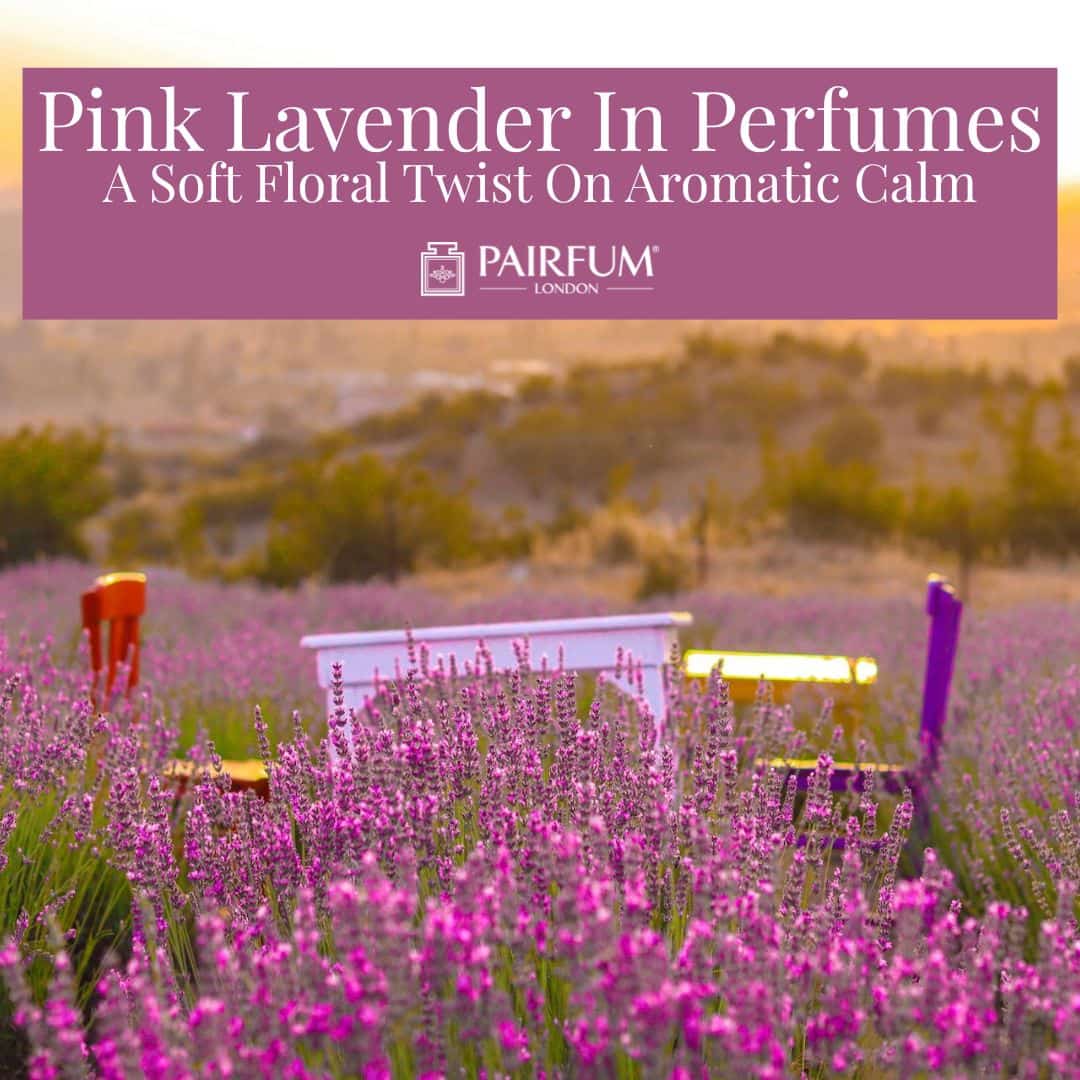
Pink lavender refers to specific varieties of the herb plant, primarily English lavender (Lavandula angustifolia), which produce soft, rose pink flowers instead of the standard purple. These plants offer a gentler flower colour for gardens while keeping that classic fragrance and ease of care. Widely known cultivars feature lavender rosea (sometimes called Jean Davis), loddon pink, and the more recent beezee pink, which are famous for attracting pollinators. They thrive in sunny, well-drained conditions, which makes them ideal choices for borders, pots, and traditional cottage gardens.
Not all floral notes need to shout to be heard. Some are soft, steady, and offer their own kind of calm. That is where pink lavender comes in. It brings a gentle, dreamy feel to perfumes, like a warm whisper in a quiet room. You might know lavender as sharp and herbal, but pink lavender is softer. It has a light floral quality that still holds your interest without taking over the whole fragrance. In the world of perfumery, where heavy ouds and sharp citruses often dominate the conversation, this subtle botanical offers a much-needed pause.
At first, this note was better known for the lovely pale blooms in garden borders. But over time, its subtle presence began to catch the eye of perfumers looking for something less expected. Around winter, when the days grow quiet and the air turns cool, adding a light floral note like pink lavender can be a welcome shift. It does not fight the season; it softens it. For the reader who is keen to understand how a scent is constructed, it is helpful to think of this ingredient as the velvet lining of a winter coat. It provides comfort and a layer of sophistication that is felt rather than announced.
The Origins of Pink Lavender
Pink lavender comes from a type of garden lavender bred to produce blush-tinted flowers. It is a hybrid, usually blending the tougher English lavender with varieties that offer less colour but a softer aroma. The name, quite simply, comes from the flower colour. While most people immediately picture a deep violet field when they think of this plant, the pink variations have a history that is just as rich. Cultivars such as lavender rosea have been cherished for decades, particularly in traditional British gardens where they provide a contrast to the more common purple hues.
What makes it different is how toned down it feels. Where typical lavender might feel brisk or a bit overgrown, pink lavender carries a rounded, almost airy feel. There is less of that green edge and more of a fresh floral lift. This softer aroma has helped pink lavender find its way into more refined, niche fragrances where balance matters. Historically, these plants were often overlooked by commercial growers who wanted the most vibrant pigments for visual impact. However, the perfume industry began to realise that what the plant lacked in saturated colour, it more than made up for in its delicate balsamic sweetness. It started gaining attention quietly, mostly in small batches and carefully composed oils. Those looking for gentle touches or wanting to stay away from bold florals would turn to it. Over time, it earned a place in perfumes that needed poise over power.

Understanding the Lavender Plant Species
To appreciate the oil, one must understand the plant. While Lavandula angustifolia is the most famous species for fine perfumery, there are many perennial plants in this family. For instance, French lavender and Spanish lavender (known as lavandula stoechas) offer a more camphorous scent that can sometimes feel medicinal. In contrast, angustifolia varieties like the compact hidcote pink provide the delicate pale pink flowers that perfumers crave. If you view illustrations of these lavender plants, you will notice the foliage is often a silvery grey or grey green, which beautifully sets off the pink flowers.
Unlike the common varieties, pink lavender cultivars such as Beezee Pink have a unique flowering time. They often begin flowering in late spring and continue through late summer. This long flowering period makes them a favourite garden plant for those wanting to attract bees and butterflies. When you look closely at the botanical structure of Lavandula angustifolia, you see that the oil glands are located at the base of the tiny florets. In pink varieties, these glands often produce a scent that is less about the punchy camphor and more about a honeyed, hay like sweetness. This makes the lavender plant a versatile tool for the fragrance house.
Botanical Characteristics and Growth
When choosing a lavender plant, plant size and pot size are important. Most pink English lavender varieties function as a small shrub, staying neat in pots or borders. They are drought-tolerant once established, though they dislike partial shade, preferring full sun to develop their aromatic oils. If you view illustrations of a mature Rosea or Loddon Pink, you will see a bushy habit that reaches about sixty centimetres in height. These plants are exceptionally hardy, often rated as H5 by experts, meaning they can survive the harsh UK winters if they are kept in well-drained soil.
For those who study rhs plants, it is clear that the herb plant is versatile. It is not a tree, but a hardy shrub that maintains its foliage through much of the year. Whether you grow garden plants for a cut flower arrangement or for oil extraction, the angustifolia species remains the gold standard. To ensure the best fragrance, growers often avoid over fertilising, as lean soil actually encourages the plant to produce more essential oil. This is a fascinating paradox of nature where a bit of struggle results in a more beautiful scent.
Practical Cultivation for Scent Enthusiasts
If you wish to grow your own lavender plants, you can view illustrations of successful herb gardens for inspiration. Placing lavender in pots near a doorway allows the foliage to release its scent as you brush past. Because pink lavender is a hardy plant, it can survive the winter in many climates, provided the pots have good drainage. To keep the scent profile fresh, it is recommended to prune the plants every year in late summer once the flowers have faded. This prevents the wood from becoming leggy and ensures a flush of new growth the following year.
Watching the flowering process from late spring through the summer provides a visual reminder of the fragrance you enjoy in your bottles. The flowers can even be dried and used as cut flowers to scent your home, echoing the notes of your favourite lavender perfume. For those with limited space, keeping smaller varieties in pots on a sunny windowsill is a great way to enjoy the plant year round. It is a rewarding experience to see the lifecycle of the ingredient that eventually ends up in a sophisticated glass bottle on your dressing table.

How Pink Lavender Is Used in Perfume
Perfumers often look for ways to bridge sharp top notes and heavier bases. Pink lavender fits right in the middle. It works best as a heart note, tying everything together with ease. It is particularly adept at softening the transition from a bright citrus opening to a deep, resinous finish.
- It blends well with powdery florals, soft woods, and gentle musks.
- It adds roundness to citrus or herbal openings.
- It smooths stronger base notes like amber or tonka.
What is pleasing about pink lavender is that it does not lean overly sweet or too green. It walks the line, offering peace and structure in a fragrance without drawing too much attention to itself. For winter focused perfumes, it can bring a sense of hush and space. It adds a floral softness that does not feel out of place on chilly days but adds warmth when the rest of the bouquet might feel cool or crisp. In many ways, it acts like a mediator, ensuring that no single note becomes too aggressive or jarring.
How the Essence Is Extracted
The most common method of capturing the aroma of pink lavender is steam distillation. This process involves passing steam through the freshly picked flowering tops of the plant and collecting the aromatic oil. It is a delicate science that requires a deep understanding of temperature and pressure.
Here are a few points about its extraction:
- The oil tends to be lighter and more delicate than classic lavender.
- Perfumers often add supporting notes to protect its soft profile.
- Organic variations like weather or soil can make each batch slightly different.
Its gentler aroma means precision matters. Too much heat, and you lose the fragile top layer. Too little, and the oil will not hold. So craft and climate both influence how the final essence turns out. The resulting oil is often described as having a pear like or balsamic quality, which is quite distinct from the sharper, more medicinal oil produced by some of the more common varieties. This unique chemical fingerprint is what makes pink lavender a prized possession for niche perfumers.
Comparison of Lavender Varieties in Perfumery
When comparing varieties for use in scents, English lavender is prized for its sweet, clean, and traditionally floral profile, making it a staple for both fine fragrance and high-quality cut flowers. It is the classic scent that many associate with clean linen and tranquil afternoons. In contrast, pink lavender offers a much softer, powdery, and almost balsamic experience, which is why it is so highly valued for heart notes in niche perfumery. It lacks the sharp, camphoraceous hit that can sometimes make people shy away from traditional scents.
Meanwhile, Spanish lavender tends toward a more medicinal scent with notes of camphor and pine, often making it more suitable for soaps and aromatherapy than for delicate personal fragrances. When you look at the angustifolia species, the sky blue or purple types are common, but the bright pink flowers of certain hybrids offer a more sophisticated product description for high-end scents. This distinction in flower colour and scent depth is what allows a perfumer to create a specific mood, moving away from the expected and into the realm of the extraordinary.
Why Pink Lavender Feels Right for Winter Calm
December days often feel colder, not just in the weather, but in pace. This makes it a natural time to reach for perfume notes that help slow things down. Pink lavender feels made for this. It does not add loud colour, it softens the edges and makes space for peace. It is the olfactory equivalent of a soft cashmere scarf or the glow of a candle in a dim room.
Here is why it works so well for winter:
- It balances sharper cold weather spices with a quieter floral tone.
- Its aroma adds just enough warmth, without leaning into sweetness.
- On skin, it creates a graceful aura that stays close rather than floating outward.
When people look for a winter perfume, they often have warmth in mind, but not everyone wants gourmand or smoky types. Pink lavender gives another option. It creates calm but keeps things interesting. This appeals to the personal aspects of scent selection, where the wearer seeks a fragrance that mirrors their internal state. It is about finding a scent that feels like home, even when the world outside is cold and unfamiliar.
Perfumes That Highlight Pink Lavender Beautifully
The perfumes that feature pink lavender best are often the quiet ones. These are not the blends that try to quickly impress or fill a room with a heavy cloud of scent. They build slowly, letting notes unfold in simple, thoughtful layers. You will find pink lavender in winter Eau de Parfums and related products where gentle florals meet white flowers, almond, butter-soft vanilla, or musky woods. It often follows crisp top notes like citrus or green herbs, offering a floral centre before drifting into warmer bases.
Iconic Soft Lavender Fragrances
- Chanel Jersey (Les Exclusifs) This fragrance is widely celebrated for its use of high-quality lavender that feels creamy and rounded. By blending the floral essence with notes of vanilla and musk, it creates a soft and sophisticated trail that avoids any medicinal edges.
- Guerlain Mon Guerlain Perhaps the most famous modern interpretation of a feminine lavender, this scent uses a specific variety called Carla lavender. It is prized for its ability to feel silky and warm, especially when paired with sambac jasmine and sandalwood to create a truly pink floral experience.
- Jo Malone London Wisteria and Lavender This composition highlights the more ethereal and light aspects of the plant. It feels like a gentle walk through an English garden, where the lavender provides a peaceful backdrop to the sweetness of wisteria and the softness of white musk.

Pairfum London Pink Lavender Home Fragrance Related Products
To truly capture the hushed tranquillity of pink lavender within your own four walls, you might consider an elegant bell-shaped reed diffuser. This large glass vessel is designed to hold a generous amount of perfume, ensuring that the soft floral notes linger in the air for many months. Because it works through natural capillary action, it provides a consistent and subtle backdrop of scent that never feels forced or heavy. It is a wonderful way to ground a room in the same aromatic calm that we find so captivating in fine fragrance, acting as a visual and olfactory reminder of the beauty found in nature’s quietest moments.
Pink Lavender - Large Bell Shape Reed Diffuser by Pairfum London
This vibrantly fresh and sparkling fragrance opens with top notes of Tangerine, Bergamot and Minty Dew Drops. In its heart, the accord combines a Fruity Pink Lavender note with Freesia, Rose and Lily of the Valley. The base is rich with Musk, Amber and Dried Lavender to provide a deep and lasting finish.
Final Thoughts
Choosing a place for pink lavender in your daily life is really about embracing a more thoughtful kind of beauty. It is not a scent that demands attention with a sudden burst of power, but rather one that unfolds slowly and mirrors the quiet transition of the seasons. Whether you decide to plant a few stems in a simple clay pot or you are hunting for that perfect winter perfume, this delicate botanical serves as a constant reminder that the most memorable experiences are often the ones that whisper. It is a true hidden treasure of the British garden that feels just as much at home in a refined glass bottle as it does tucked away in a sunny summer border.
https://www.pairfum.com/pink-lavender-in-perfumes-soft-floral-twist-on-aromatic-calm/?fsp_sid=14774
#ARTISANPERFUMERSOFLONDON #ENGLISHLAVENDER #INSTAPERFUME #LAVENDERFRAGRANCE #NICHEFRAGRANCE #PERFUMELOVERS #PINKLAVENDER #SCENTOFTHEDAY


Comments
Post a Comment